Published 12/18/2025 16:19 | Edited 12/18/2025 16:23
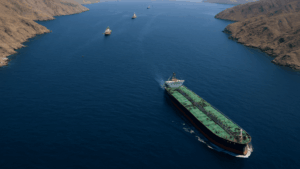
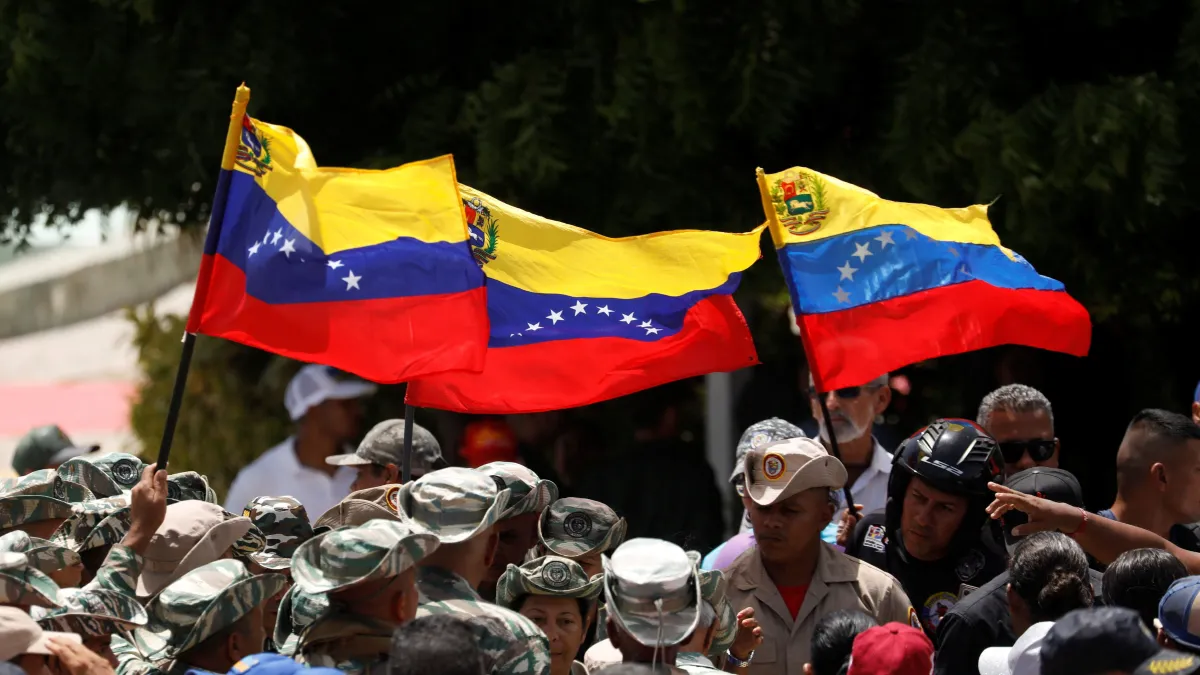
Venezuela requested this Wednesday (17) the convening of the UN Security Council to discuss what it classified as “continuous aggression by the United States”. The request was formalized in a letter sent to the 15-member body, after US President Donald Trump announced a naval blockade against oil tankers entering and leaving the South American country.
As a United Nations diplomat told Reutersthe meeting should take place next Tuesday (23). For Caracas, the military offensive represents a direct violation of national sovereignty and international law.
By taking the case to the UN, Venezuela seeks international support to counter the United States’ policy of force and coercion. The Security Council meeting is expected to highlight the debate on sovereignty, unilateral sanctions and the limits of Washington’s military actions in Latin America.
Naval blockade targets main source of income
The blockade ordered by Trump affects Venezuela’s main source of income: oil. By ordering the interception of sanctioned ships, Washington is deepening a policy of economic suffocation that has lasted for years and has direct impacts on the Venezuelan population.
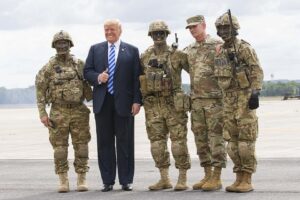
In posts on social media, Trump accused Venezuela of “stealing oil and land” from the United States and stated that the country was surrounded “by the largest armada ever assembled in the history of South America.” He also classified the Maduro government as a “foreign terrorist organization”, repeating accusations of drug trafficking and various crimes, rejected by Caracas as unfounded and politically motivated.
Authorities in the country classified the announcement as “delusional” and denounced the extraterritorial nature of the sanctions, seen as an instrument of political and economic coercion. For the Venezuelan government, such statements serve to justify military actions and illegal sanctions, in the absence of multilateral bodies.
UN calls for moderation and respect for the Charter
Faced with the escalation, the UN Secretary-General, António Guterres, called for “immediate de-escalation” and moderation on the part of the parties. In a telephone conversation with President Nicolás Maduro, Guterres reaffirmed the need to respect the United Nations Charter and international law.
Maduro warned that US threats put regional peace at risk and could generate unpredictable consequences for all of Latin America.
International support for Venezuela
Russia and China expressed explicit support for the Venezuelan government. Moscow warned that the increase in tensions in the region could have “unpredictable consequences” including for the West itself. Beijing declared opposition to “any form of unilateral harassment”, reinforcing the defense of Venezuelan sovereignty.
In Latin America, the president of Mexico, Claudia Sheinbaum, called on the UN to act to “avoid bloodshed” and made herself available as a mediator. Germany also signaled concern about the deterioration of the regional scenario.
Militarization of the Caribbean worries the region
In addition to the naval blockade, the US moved aircraft carriers, aircraft, military vehicles and thousands of soldiers to the Caribbean, under the argument of combating drug trafficking. The operations include boardings and seizures of vessels, the legality of which has been questioned by experts and governments in the region.
Caracas denounces these actions as acts of intimidation and international piracy, which deepen regional instability.
Source: vermelho.org.br