Published 11/26/2025 08:02
The world is going through one of the most profound demographic transformations in history. The revelation comes from the new United Nations World Urbanization Perspectives 2025 report. According to the survey, cities already concentrate 45% of the global population of 8.2 billion, far surpassing the 1950 scenario, when only 20% of the population lived in urban centers. The study reflects how urbanization has become the greatest social driver of the 21st century: accelerated, diverse and increasingly decisive for the challenges of sustainability, housing and mobility.
This new pattern shows that around 81% of the world’s population already lives in cities. A number well above estimates from traditional methods (58%), warning that the urban phenomenon is advancing not only in large metropolises, but also in medium-sized urban centers and peripheral regions previously classified only as rural.
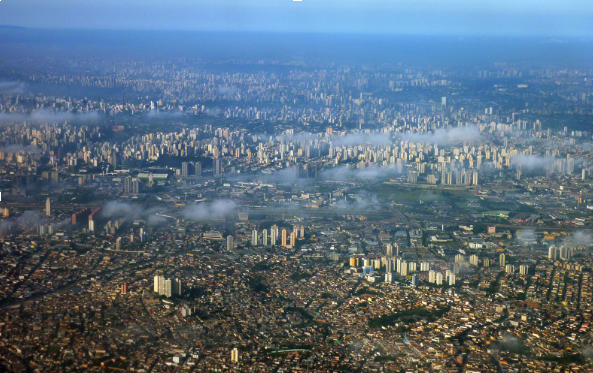
The report also highlights the increase in the number of megacities. Urban agglomerations with a population of over ten million inhabitants jumped from just eight in 1975 to thirty-three in 2025. More than half of them (19) are concentrated in Asia, including true demographic giants, such as Jakarta (almost 42 million) and Dhaka (almost 37 million). In Brazil, São Paulo and Rio de Janeiro are present in this select group, when considering the international concept of urban agglomeration.
These high urban concentrations put pressure on infrastructure, housing, mobility, sanitation and health services. The report warns of the risk of worsening social inequality and the emergence of extensive areas of precarious housing if growth is not accompanied by robust planning and public policies. Furthermore, megacities are decisive hubs for pollutant emissions and require innovative solutions to combat global warming and the environmental crisis.
Brazil and the challenges of territorial planning
The Brazilian case perfectly illustrates this progress. Brazil is identified in the report as a highly urbanized country, with emphasis on the two megacities of global reference: São Paulo, according to the UN measurement, with approximately 18.95 million inhabitants and Rio de Janeiro, with 9.5 million.
The UN report uses the concept of “urban agglomeration” to group the population of metropolises, a different criterion from that used by IBGE, which counts the sum of inhabitants per municipality in the respective metropolitan regions: 21.6 million and 12.9 million.
The survey shows that most of the world’s urban centers have less than one million inhabitants and that 81% of cities are below the 250,000 residents mark. These small and medium-sized cities lead the process of urban expansion in regions of Africa, Asia and Latin America, quickly absorbing internal migration and demographic pressure that previously only fell on the metropolises.
The study is a warning that, without territorial integration planning capable of connecting urban areas of different sizes to rural areas, the risks of social segregation, environmental vulnerability and deepening of regional inequalities increase.
For Brazil, the report indicates the need to invest in public policies that decentralize development, value intermediate urban centers and ensure more inclusive cities, with better mobility and environmental responsibility.
Source: vermelho.org.br