Published 01/28/2026 16:00 | Edited 01/28/2026 16:57
During his opening speech, this Wednesday (28), at the International Economic Forum of Latin America and the Caribbean, President Luiz Inácio Lula da Silva highlighted that Latin America and the Caribbean have strategic assets that no other region has: the largest reserves of biodiversity and fresh water in the world, as well as critical minerals and rare earths essential for the new digital and green economy. “It is up to us to assume that possible integration is based on a plurality of options, guided by pragmatism”, he stated.
He argued that the bloc should process its own wealth to reduce dependence and have more global protagonism. According to Lula, it is necessary to produce “not to export raw materials and buy them processed for their weight in gold, but to generate jobs and wealth here”.
The president displayed the indicators of the Brazilian economy achieved since 2023, with emphasis on growth above the global average, control of inflation and the achievement of the lowest historical unemployment in the country. Process that led to Brazil’s departure from the UN Hunger Map. “In two years, poverty gave way to the social inclusion of 17 million people”, he emphasized, relating the increase in the minimum wage to the increase in the record wage bill.
According to the president, the Brazilian experience proves the maxim he took as a mantra in his speeches: “A lot of money in the hands of a few means poverty; a little money in the hands of many means wealth”.
Infrastructure and the Integration Route
For the Brazilian head of state, strengthening trade involves building infrastructure and new connections on the continent, such as the South American Integration Route, a project that aims to double intra-regional trade through modern highways and ports.
The project’s financing will be guaranteed by institutions from the Global South, such as BNDES, CAF and the Novo Banco de Desenvolvimento (Brics Bank).
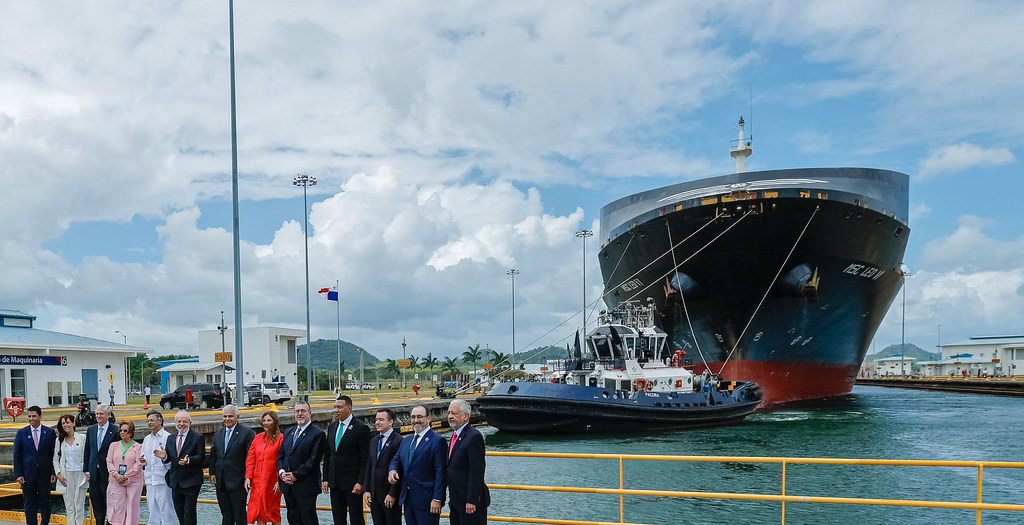
In the commercial field, Lula spoke about the progress of Mercosur agreements with the European Union, Singapore and EFTA, in addition to ongoing negotiations with India, Mexico, the United Arab Emirates and Panama itself. The bilateral relationship with the host country was highlighted. Trade between the two countries jumped 78% in 2025, reaching US$1.6 billion. When defending the neutrality of the Panama Canal, the president recalled that Brazil has consolidated itself as the 15th largest user of the crossing, driven mainly by the energy and oil sector.
Lula also highlighted Brazil as a world leader in the green economy, with 90% of its electricity matrix renewable and plans worth around US$90 billion in ecological projects already underway. He reinforced that political stability and technological innovation must serve, above all, to eradicate hunger, reduce inequality and violence on the continent, warning that economic progress is inseparable from social justice and the fight against gender-based violence, especially feminicides.
Source: vermelho.org.br