Published 15/05/2026 15:32 | Edited 05/15/2026 16:33
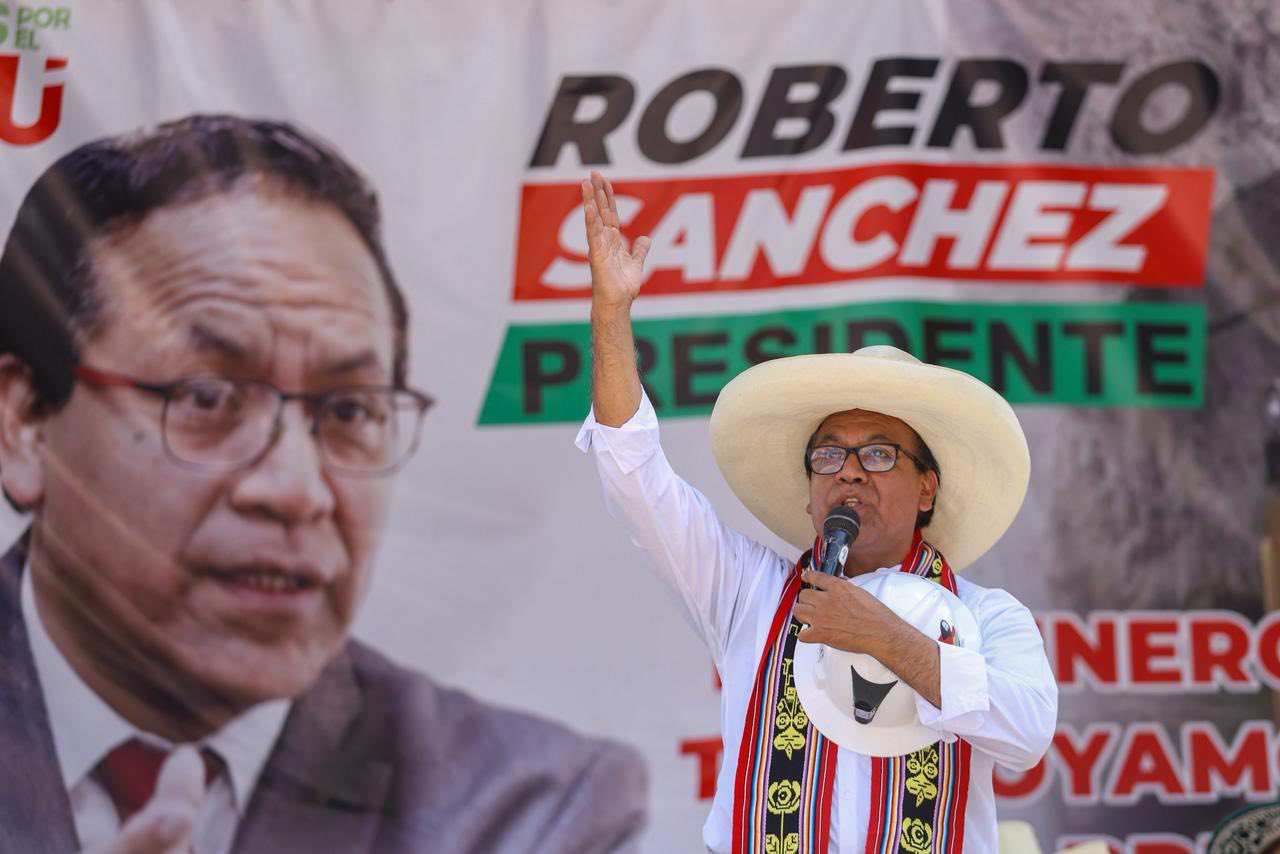
After just over a month, Peru had this Friday (15) the definition of what the dispute will be in the second round of the presidential elections. With 100% of the votes counted, left-wing candidate Roberto Sánchez (Juntos Pelo Peru), former minister in the Pedro Castillo government, will try to prevent far-right leader Keiko Fujimori, daughter of dictator Alberto Fujimori, from taking power.
The candidate had already guaranteed her presence in the second round, but the second place was contested vote by vote. Only in the final stretch of the turbulent counting was it possible to determine that Sánchez, candidate of the left-wing coalition, beat the ultra-rightist Rafael López Aliaga.
Sánchez’s performance demonstrates strength in the final stretch by contradicting predictions that pointed to a decision only with figures from the extreme right.
Fujimori had 17.18% of the valid votes, Roberto Sánchez achieved 12.03% of the votes while López Aliaga was left out of the electoral dispute with 11.90%.
Read more: Peru and Colombia have challenging elections for the left
The April 12 election featured 35 presidential candidates. The fragmented scenario maintains the chances of the left regaining power after the parliamentary coup against former president Pedro Castillo, who supports Sánchez.
Castillo, currently in prison, victim of lawfare (use of the legal system for political persecution purposes), Keiko Fujimori won in 2021. He was unable to govern due to pressure from the Congress of the Republic of Peru, which imposed successive impeachment requests and unfounded investigations. The scenario of ungovernability caused the peasant leader to try to dissolve Parliament. The initiative was frustrated and plunged the country into crisis once and for all.
Read more: Peruvian dictator Alberto Fujimori dies, aged 86
Vice Dina Boluarte took office, who spent almost three years in power, but was removed by the powerful Peruvian Congress, which exercises disproportionate power over the Executive by using a broad and subjective “Moral Incapacity” clause to bar presidents.
After Boluarte, the president of the Peruvian Parliament, José Jerí, took office, who spent just over four months in power. He lost the fragile political support he had and was removed on charges of influence peddling. As a result, deputy José María Balcázar took office on an interim basis in February this year, with the role of leading the transitional government until the inauguration of the next elected president.
The second round is scheduled for June 7th.
Source: vermelho.org.br