Published 02/18/2026 14:15 | Edited 02/18/2026 15:07
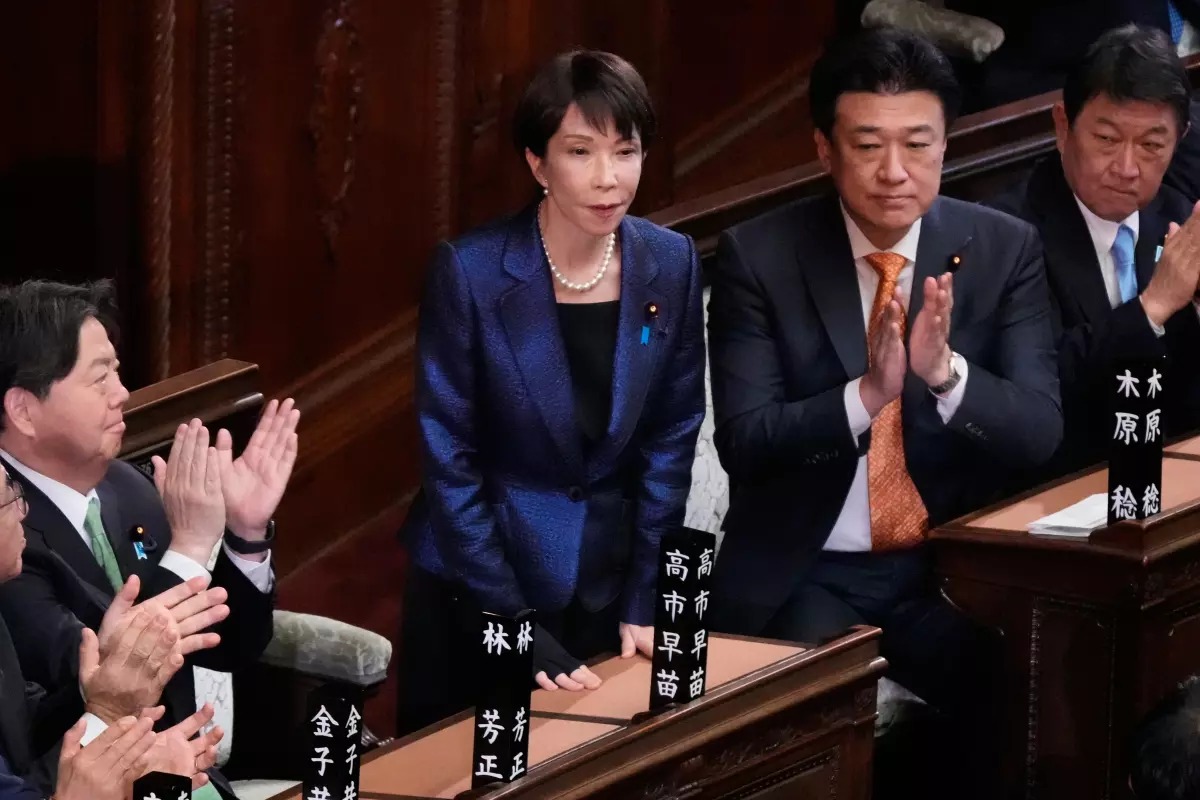
The Prime Minister of Japan, Sanae Takaichi, was reappointed to office this Wednesday (18), after the victory of the Liberal Democratic Party (PLD) in the elections on February 8, guaranteeing the ruling bloc more than two thirds of the 465 seats in the Lower House.
Takaichi’s reappointment paves the way for an agenda of setbacks, such as accelerated militarization, immigration hardening, revocation of civil rights and strategic alignment with the United States amid escalating tensions with China.
Confirmed in the position in a special session of Parliament, Sanae Takaichi resumes command of the government after a vote in the Diet, the name given to the Japanese Congress.
The system is bicameral and brings together the Chamber of Representatives (Lower House), considered the decisive body, and the Chamber of Councilors (Upper House). The prime minister was elected directly in the Lower House and then confirmed in a second round vote in the Upper House.
With the new legislature, the Liberal Democratic Party maintains absolute control of the Lower House, which allows the government to approve projects even in the face of possible resistance from the Upper House, where the governing coalition does not have a majority.
In practice, the supermajority reduces the weight of parliamentary debate and speeds up the processing of sensitive proposals, especially on security, budget and foreign policy issues.
One of Takaichi’s first moves was to fully reappoint his ministers from the previous cabinet, formally dissolved in the morning and reconstituted hours later.
The decision indicates priority in the execution of the agenda already announced and avoids internal disputes at a time when the government seeks to unlock blocked votes, including the budget for the 2026 fiscal year, delayed by the dissolution of the Lower Chamber in January to call the early election.
In the economic field, the government is trying to approve the budget by the end of the fiscal year, in March, despite the delay in the legislative calendar.
The proposal combines investment incentives, a temporary cut in taxes on food and an increase in public spending. Experts interviewed by the Japanese press point to the risk of inflationary pressure and postponement in the adjustment of public debt, one of the largest in the world in proportion to GDP.
In foreign policy, the new correlation of forces strengthens the line adopted by Takaichi since the election campaign.
The prime minister seeks to deepen strategic coordination with the United States, including cooperation in supply chains considered sensitive, such as rare earths, in addition to increasing military spending.
In parallel, statements by the Japanese government about Taiwan, in disagreement with the One China policy, intensified tensions with Beijing, which reacted with diplomatic and economic measures against Tokyo.
The legislative agenda for the coming months also includes controversial projects, such as the creation of a National Intelligence Agency, the beginning of the debate on a law to prevent espionage and proposals for constitutional revision.
Civil organizations and part of the opposition warn of risks to individual rights and the weakening of institutional control mechanisms in a scenario of unprecedented concentration of power in the Executive since the post-war period.
Source: vermelho.org.br