Published 06/16/2026 15:45 | Edited 06/16/2026 16:35
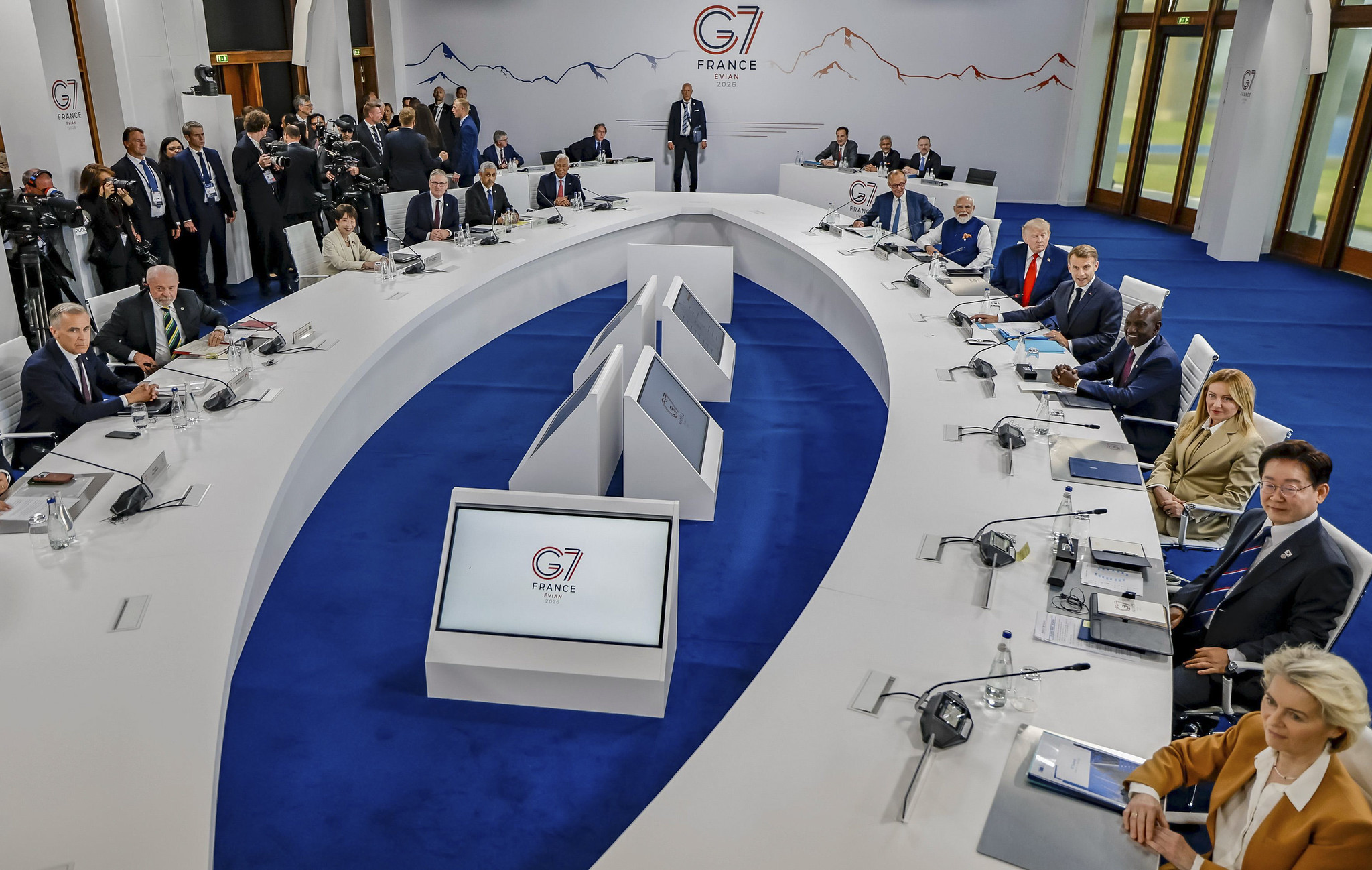
In his 10th participation in G7 summits (group of the seven largest developed industrialized economies), President Luiz Inácio Lula da Silva used the tribune of the expanded meeting, in Évian (France), this Tuesday (16), to make a harsh criticism of the global economic model and send direct messages, although without mention by name, of the policies of Donald Trump’s government.
Under the theme “Signing new partnerships and rebuilding international solidarity”, Lula’s speech was marked by the uncompromising defense of national sovereignty, the fight against extreme concentration of wealth and the demand that the energy transition not reproduce old colonial inequalities.
The era of trillionaires and the bankruptcy of neoliberalism
The starting point of Lula’s analysis of the global economy was a historical and symbolic milestone: the creation of the planet’s first trillionaire. Without mentioning Elon Musk by name, but directly referring to his recent status after SpaceX’s public offering, the Brazilian president opened up the social abyss of the 21st century.
“The world’s first trillionaire is richer than the poorest 46% of the world’s population. The extreme concentration of wealth results from decades of pro-billionaire policies”, said Lula.
He took advantage of this data to declare the bankruptcy of the dogmas that have guided recent decades, stating that “neoliberalism has worsened economic inequality and the political crisis that today plagues democracies”. For the Brazilian leader, the resurgence of protectionism and unilateralism — a clear allusion to the trade war led by Washington — are “fallacious answers to the complexity of our problems”.
Sovereignty, organized crime and the message to Washington
Lula’s speech took place at a time of high diplomatic tension with the United States. Recently, the Trump administration classified the Brazilian factions Comando Vermelho (CV) and Primeiro Comando da Capital (PCC) as terrorist organizations, a measure that, in North American legislation, leaves room for unilateral military interventions.
Lula anticipated any justification for external interference by treating organized crime as a development and public security problem that requires cooperation, not imposition. “Organized crime terrorizes communities and diverts public resources that should be directed to the construction of schools, hospitals and roads. This effort must take into account respect for the sovereignty of States”, he emphasized.
The president also refuted the North American narrative that Brazil is a drug trafficking paradise, remembering that combating drug trafficking cannot be dissociated from money laundering and arms trafficking, defending the use of institutional channels such as Interpol to track assets, and not the militarization of borders.
Unpayable debt and the collapse of international solidarity
Lula’s offensive also targeted the hypocrisy of rich countries in relation to humanitarian and climate aid. The president denounced a “historic drop” of 23% in Official Development Assistance last year, highlighting the 40% cut in funding for the World Food Program — a direct consequence of the policy of defunding multilateral organizations promoted by Trump.
Lula translated the numbers into human suffering and pointed out the debt trap of the Global South: developing countries transfer US$1.4 trillion per year in debt services alone, an amount seven times greater than all the aid received from rich countries. The speech’s catchphrase summarized the urgency of reforming the global financial system: “We need a financial system in which countries are not forced to choose between paying creditors and feeding their children.”
Critical minerals and the end of green neocolonialism
Finally, Lula addressed the geopolitics of the future: the race for critical minerals needed for the energy transition and artificial intelligence. The Brazilian president warned G7 leaders of the risk of “green neocolonialism”, where nations rich in natural resources continue to be mere exporters of cheap raw materials.
“The energy and digital transitions cannot reproduce historical patterns that concentrate economic benefits in a few actors”, he argued. Lula demanded that countries holding these reserves participate in the highest value-added stages of the production chain, demanding local industrialization and technology transfer.
Independent diplomatic stance
Lula’s stance in Évian reflects Itamaraty’s strategy of maintaining dialogue, but without giving up on differences. Despite being a guest and not having veto power, Brazil signaled its discomfort with the agendas imposed by the G7: of the three communiqués prepared so far, Brasília only endorsed the text on the fight against cancer, rejecting the statements on international partnerships and Ebola for not accommodating the position of Brazilian diplomacy.
Between the risk of new 25% tariffs imposed by the US and the need to articulate the Global South, Lula used the G7 not to ask for permission, but to establish Brazil’s red lines on the international board.
Source: vermelho.org.br