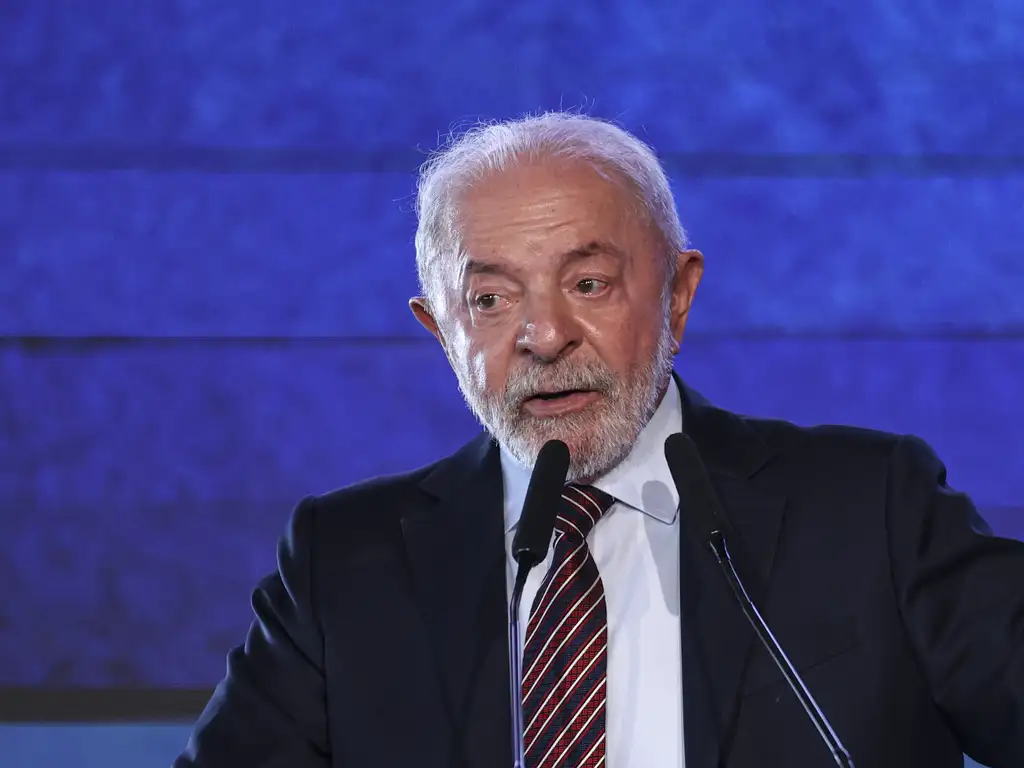
The government of President Luiz Inácio Lula da Silva (PT) outlined a strategy to reduce the impacts of tariffs imposed by the United States. In addition to preparing a package of subsidies for the most affected sectors, Planalto must intensify dialogue with industry and agribusiness representatives to build an agile response to the measures announced by Washington. At the same time, the government intends to accelerate the opening of new markets to expand the destination of Brazilian exports and reduce dependence on the US market.
The government’s behind-the-scenes assessment is that permanent listening to the affected sectors will make it possible to calibrate support measures and speed up countermeasures. The intention is to bring together the demands of the affected segments to formulate responses capable of preserving jobs, production and competitiveness.
At the same time, the Lula administration is betting on the diversification of commercial partners as one of the main alternatives to mitigate the effects of barriers imposed by the United States. The strategy includes strengthening relationships with already consolidated markets and expanding negotiations with new destinations for Brazilian products.
The initiatives go hand in hand with the economic support package that will be announced by the federal government. The expectation is that the measures will combine credit instruments and production incentives with actions aimed at expanding Brazil’s presence in international trade.
In Planalto, the assessment is that the combination of dialogue with the productive sectors, measures to stimulate the economy and expansion of trade relations puts the country in a more solid position to face the advance of protectionism adopted by the Donald Trump government and reduce its impacts on the Brazilian economy.
Source: www.brasildefato.com.br