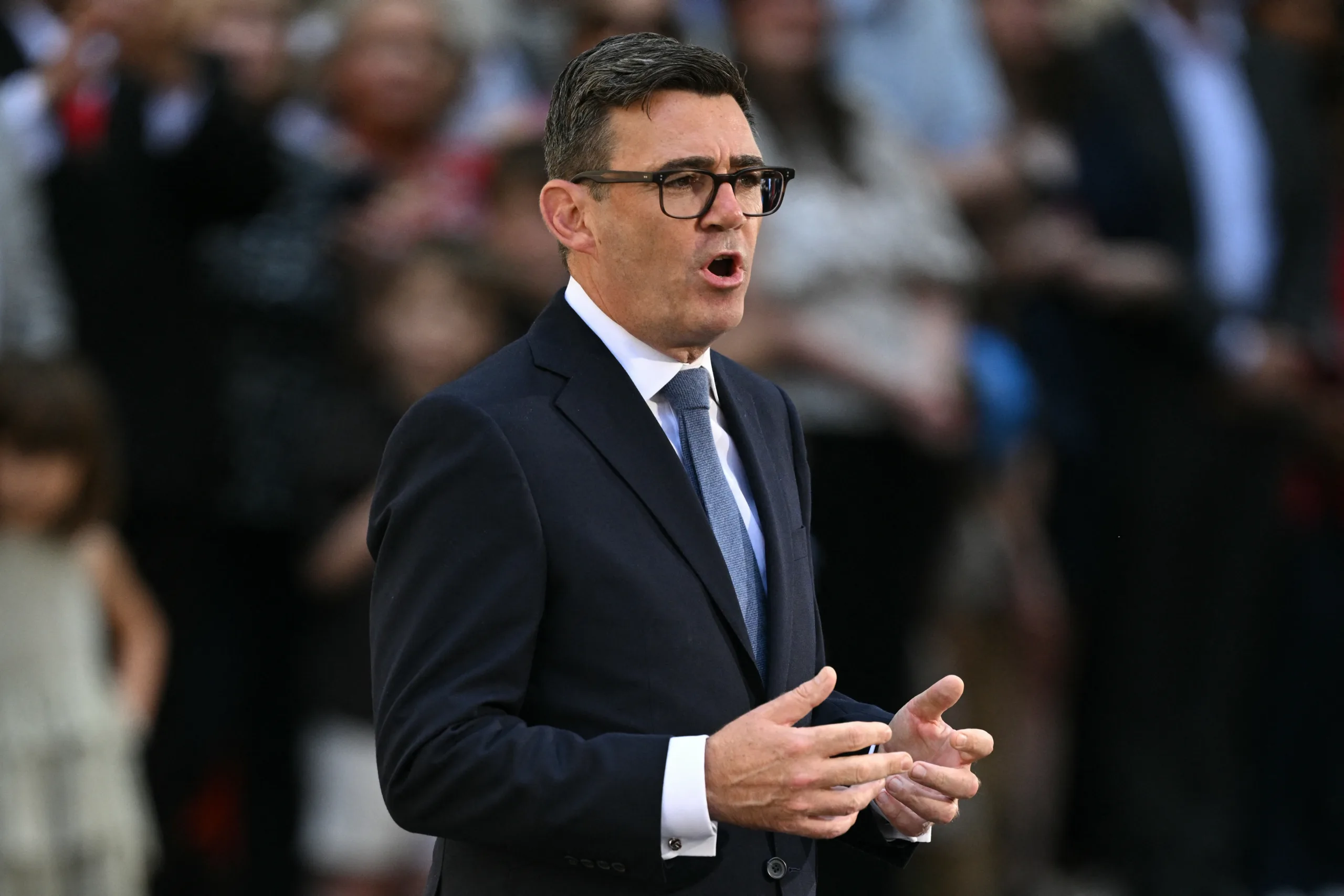
Andy Burnham took office this Monday (20) as Prime Minister of the United Kingdom, replacing Keir Starmer, who resigned after months of pressure within the Labor Party. The exchange was made official in a ceremony at Buckingham Palace, where King Charles III received Starmer to formalize the departure, inviting Burnham to establish the new government.
Before leaving 10 Downing Street, Starmer spoke in front of the official residence and claimed the legacy of two years in office. “I leave with elegance, with a smile and proud of everything we have achieved,” he declared.
Shortly before coming to power, on Friday the 17th, Burnham was confirmed leader of the Labor Party. The condition is necessary to take up the position in the United Kingdom. The sole candidate in the race to replace Starmer, Burnham gathered support from 379 of the 403 Labor MPs in the House of Commons.
Loss of political support
Starmer announced his resignation on June 22 after resisting calls to leave for months. The wear and tear deepened with the continued decline in the British standard of living, in addition to the advancement of the anti-immigration agenda, which strengthened conservative parties.
In her debut speech, Burnham placed the cost of living as a priority, defending greater public control over essential goods. “If we don’t have sufficient public control over the cost of essential goods, how can we contain inflation?” he provoked.
Still as a consequence of Brexit, the British have seen, in recent years, their average weekly salary, discounted for inflation, rise by less than 1%. According to the Office for National Statistics (ONS), the UK’s main statistics institute, low growth has been occurring since 2024, when Labor returned to power.
James Schneider, English writer, director of the organization Progressive International and former public relations advisor to the then leader of the Labor Party, Jeremy Corbyn, explained to Brazil in fact that Burnham can hardly “fix much of anything for long if the underlying issues are not addressed.”
“The Labor Party is a victim of its own rejection of playing its self-appointed historic role. Instead, the party, under Starmer’s leadership, has been captured in favor of corporate interests to serve the dictates of US imperialism,” he explains.
At 56, Burnham arrives at Downing Street after two decades at the party. He ran for leadership of the party in 2010 and 2015, but was defeated on both occasions.
In 2017, Burnham took over as mayor of Greater Manchester. He was re-elected in 2021. Then, with a more left-wing agenda than Starmer’s, he returned to the British Parliament in June this year, winning a supplementary election in Makerfield.
Source: www.brasildefato.com.br