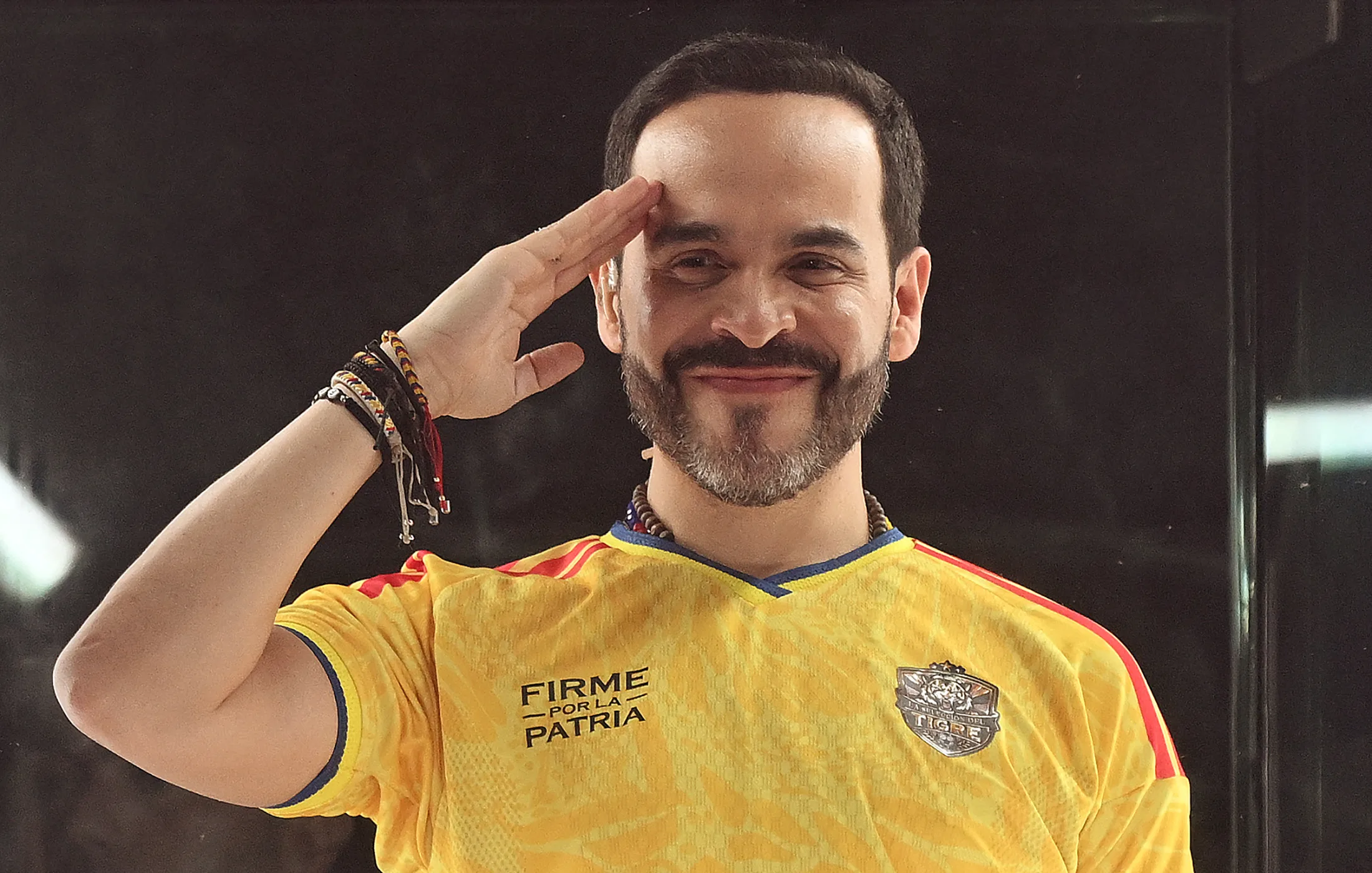
The Comptroller General of Colombia decided, this week, to convene an emergency technical table with the team of the elected president, Abelardo de la Espriella, to try to unlock the government transition process that he himself had suspended.
According to the deputy controller general, Carlos Enrique Silgado, this “is not the time for questions or confrontations”. He defended the role of Colombian democratic institutions in the transition process. Silgado confirmed that all technical information gathered by the Comptroller’s Office will be delivered to the person directly responsible for the transition, the elected vice president José Manuel Restrepo.
De la Espriella ordered the immediate suspension of the transition after pointing out alleged irregularities in the Gustavo Petro government. The current president reacted, accusing his opponent of delegitimizing the country’s democratic process. Petro, however, did not recognize the defeat of the candidate he supported, Iván Cepeda, and accused foreign interference in the Colombian election.
Cepeda even acknowledged defeat, but says he intends to adopt “peaceful civil disobedience” in the face of the government that will take office on August 7th. Alongside Petro, he criticizes Abelardo’s American nationality.
Another important movement this week was the connection between Petro and President Luiz Inácio Lula da Silva (PT). In the conversation, according to a note released by the Brazilian government, the Colombian president “reaffirmed his commitment to democracy and peaceful transition in the country”.
“In the three and a half years that Lula and Petro were in government, Colombia was one of the countries that the Brazilian president visited most in Latin America — there were five trips. In addition to the state visit to Bogotá, held in 2024, Lula participated in the ACTO, CELAC, CELAC-European Union and CELAC-Africa summits. Petro was also received several times in Brazil, including his state visit to Brasília and his participation in the inauguration of the Cooperation Center International Police of Manaus, in 2025″, said the Brazilian government.
Source: www.brasildefato.com.br