El Niño has already formed in the equatorial Pacific and is expected to intensify until the end of 2026. According to the most recent data from the Climate Prediction Center (CPC) of the NOAA agency, the possibility of the phenomenon occurring is 97%. Since at least May, sea surface temperatures have been above average in the Pacific, with consequences that could be felt in Brazil and abroad.
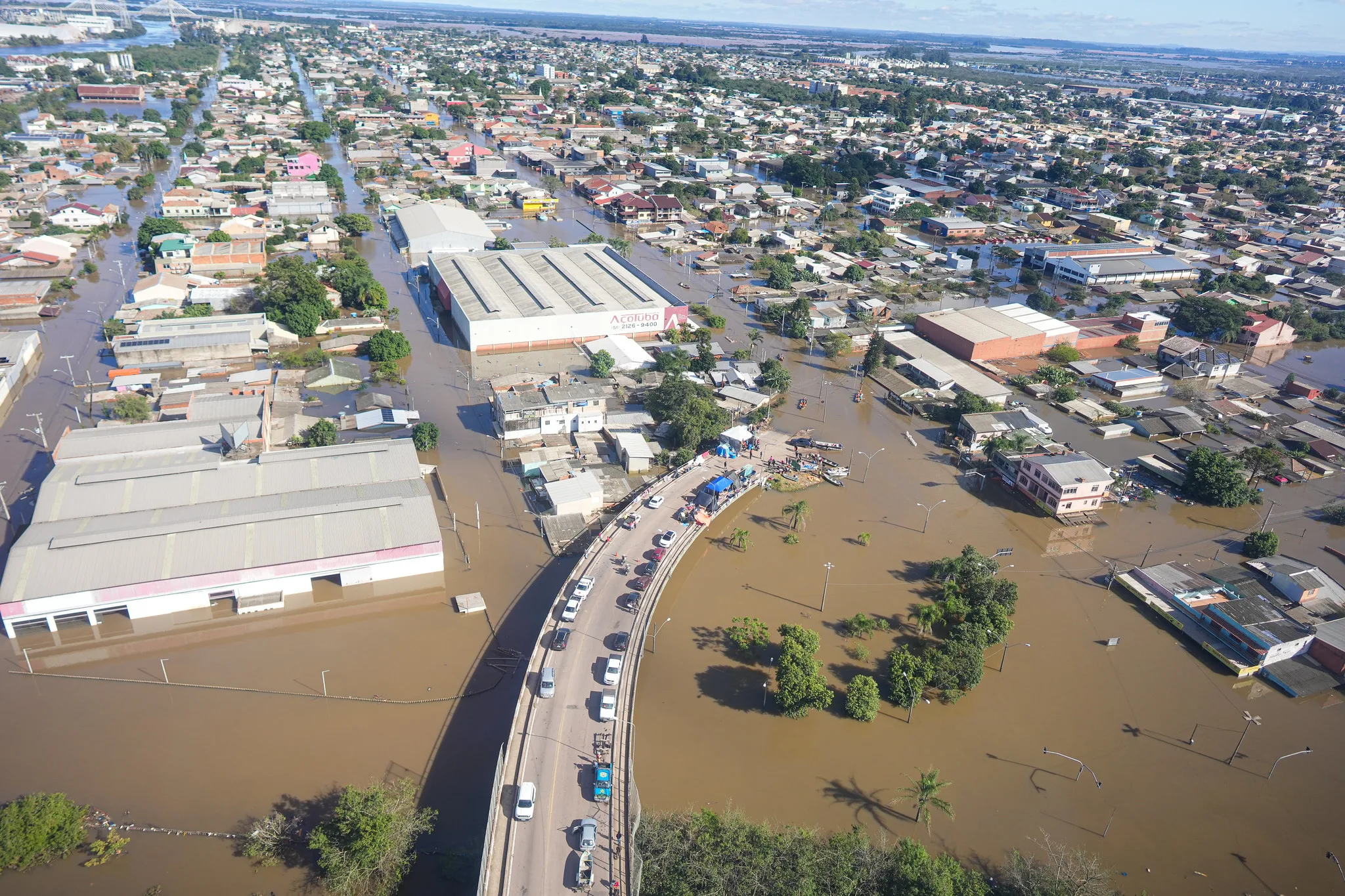
In Rio Grande do Sul, for example, last weekend’s rains affected around 60,000 people in 218 municipalities, according to the State’s Civil Defense Operations Center. The agency points out that 91.6% of the homeless (488, according to the latest bulletin) are in Vale do Taquari, in the central region of the state.
The outlook for the second half is one of climate imbalance. For the quarter that runs from July to September, rainfall should be above average in the South region, while it should rain less in the Center-North of the country. With temperatures above average, the forecast is for heat waves and forest fires.
To understand the extent of the phenomenon, the National Institute of Meteorology (Inmet) has published the El Niño 2026-2027 Panel bulletin, which brings together, in addition to Inmet itself, Inpe, Cemaden, ANA, the Geological Survey of Brazil and the National Secretariat for Protection and Civil Defense.
At a global level, the Niño 3.4 index, which is the main monitoring area, reached an average of 2.1° C, considered an “absolute anomaly”. Given the situation, the International Research Institute for Climate and Society (IRI), at Columbia University, estimates that the peak of the event should occur between October and December 2026.
This does not mean that El Niño will stop immediately. Also according to IRI, the phenomenon should continue strongly, at least, until the end of the first quarter of 2027, with residual effects in the following quarters.
In the Northern Hemisphere, the effects of the climate crisis have been felt every summer. Recently, countries like France and Spain have had to deal with routine forest fires. Meanwhile, capitals across Europe, such as Paris and Rome, have experienced weeks with maximum temperatures around 40°C.
Source: www.brasildefato.com.br