Published 14/11/2025 15:34 | Edited 11/14/2025 16:01
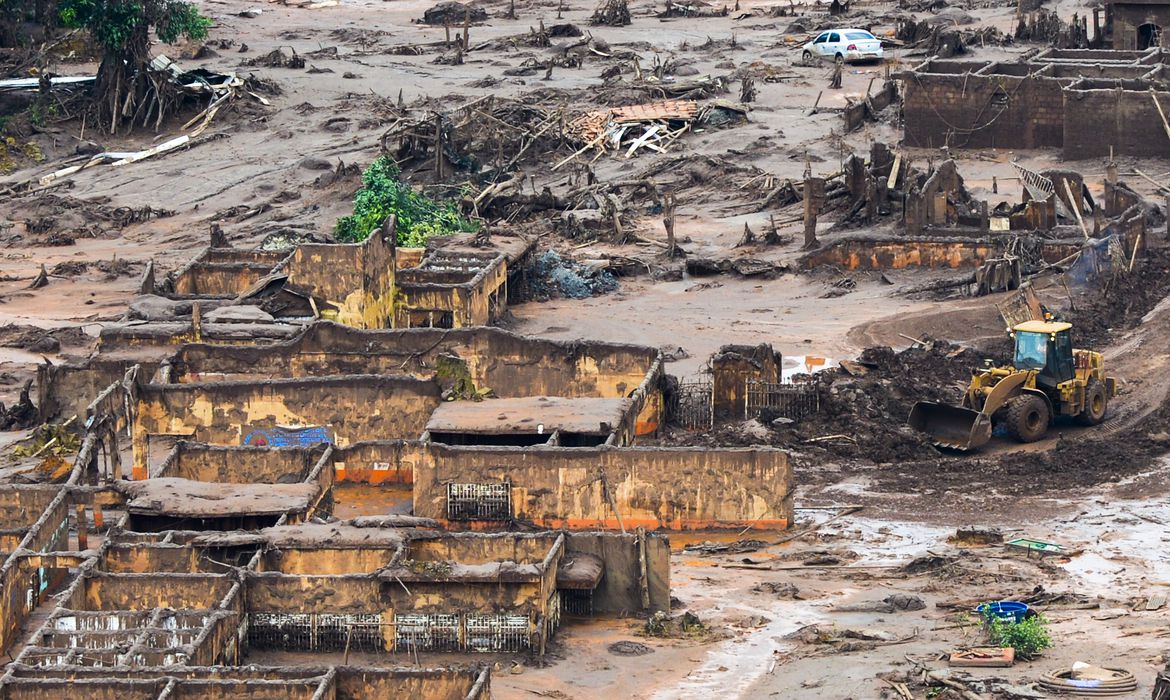
The United Kingdom’s first instance court condemned this Friday (14) the Anglo-Australian mining company BHP Group, controller of Samarco, as responsible for the environmental disaster that resulted in the collapse of the Fundão Dam, on November 5, 2015, in Mariana (MG). The tragedy killed 19 people and released tons of waste into the Doce River.
In the decision, which can be appealed, judge Finola O’Farrell, of the High Court of London, considers that the mining company is a polluting agent and has engaged in culpable conduct under the terms of the Civil Code.
The judge took Brazilian environmental legislation as a basis, considered one of the most advanced in the world.
The Court understood that BHP is the controlling shareholder of Samarco together with the Brazilian company Vale and, therefore, was responsible for the subsidiary’s activity, administration, decisions and management of the rich.
Read more: Lula signs R$132 billion agreement to repair damage to the Mariana dam
“There was overwhelming evidence that the dam was susceptible to liquefaction; arguments that its failure was not foreseeable were rejected,” the decision says.
Therefore, victims of the dam collapse have the right to bring claims against BHP until at least September 2029.
According to BBC Brasil, around 620,000 people are taking part in the case against the mining company in the United Kingdom, in addition to 2,000 companies and 31 municipalities – making this the largest collective environmental action in the history of English justice.
The amount requested for compensation has already been estimated at 36 billion pounds (R$250 billion) – which would be the highest amount in the history of justice in England and one of the highest in the world.
10 years
In Congress, the ten years since the tragedy in the city of Minas Gerais were remembered. Representative Daiana Santos (PCdoB-RS) says that, after this period, Brazil arrives at COP30 in Belém carrying deep marks that still hurt.
“The collapse of the Samarco dam in 2015, the floods in Rio Grande do Sul, the tornado in Paraná. These episodes are not ‘fatalities’. They are consequences of the climate crisis. Therefore, it is necessary to increasingly expand the environmental debate, so that COP30 is more than a large international meeting”, says the parliamentarian.
For her, a real commitment to public policies must be made, with accountability for companies that destroy, with investments in prevention, climate adaptation and a fair ecological transition. “Because protecting the environment means protecting lives, territories and the future”, he says.
Source: vermelho.org.br