Published 09/24/2025 11:50 | Edited 25/09/2025 12:21
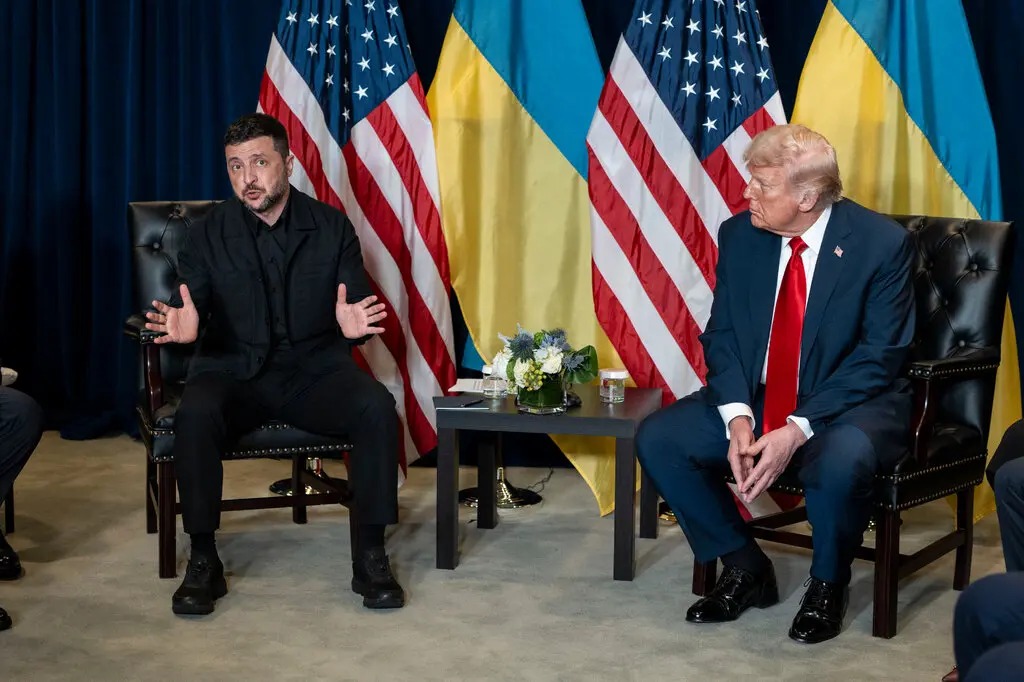
United States President Donald Trump defended on Tuesday after a meeting with Ukrainian President Volodymyr Zelensky on the banks of the UN General Assembly that Ukraine can “fight and overcome all over Ukraine in its original form”, including the territories occupied by Russia since 2014.
Trump described Moscow as a “paper tiger” in “great economic problems” and said this is the time for Kiev to act.
The statement marks a turn on previous positions, in which the Republican suggested that Kiev should give up areas won by Moscow in the name of a peace agreement.
Repositioning, however, may be less linked to a real change in war convictions and more to a strategy to reposition the US in the global energy market.
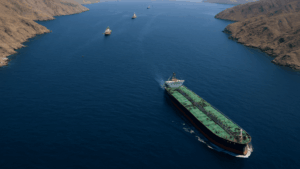
By charging that Europe cuts oil and Russian gas, Trump signals open gas and oil opening to occupy the space.
“We have more oil than any nation anywhere. Oil and Gas. And if we add coal, we have more than any nation in the world. Clean. I call it a clean and beautiful coal,” said the American on Tuesday in a speech that dedicated long minutes to extol the US energy capacity.
The US President also presented himself as the abundant offer guarantor.
“We are ready to provide any country abundant and accessible supplies of energy if they need to – and most of you need. We are proudly exporting energy to the whole world. We are now the largest exporter in the United States,” he propagated.
To top it off, he said that he released “massive energy production” and signed executive orders to accelerate the search for oil, stressing that “we don’t even have to look much, because we have more oil than any nation anywhere”.
Kremlin spokesman Dmitry Peskov himself mocked his speech by saying that Trump acts as “a businessman” trying to force the world to buy US energy “at higher prices.”
At the meeting with Zelensky in New York, Trump sought to give the Ukrainian offensive an urgent tone, associating Russia’s economic weakening with what he called Vladimir Putin’s military failure.
In a previous speech, at the opening of the UN, he said that “a royal military power would have won the war in a week” and that Kremlin’s inability to achieve goals on the battlefield “do not make Russia look good.”
At the same time, Trump had ambiguity in his promise of support, ensuring that he will continue to provide weapons to NATO so that Europeans can use them in Ukraine, but has not committed to resuming billions of dollars in direct help since the beginning of their management.
The repositioning was celebrated by European leaders. French President Emmanuel Macron said in his speech at the UN General Assembly on Tuesday that “he welcomes that the US president believes in Ukraine’s ability not only to resist but to impose respect for his rights.”
The president of the European Commission, Ursula von der Leyen, said that Trump “is absolutely certain about the need for Europe to get rid of Russian energy” and promised to accelerate plans to cut the dependence.
Despite the tone of support, diplomats in Brussels showed skepticism. “What Trump says on Monday is not what he said on Tuesday,” Macron ally told The New York Times, remembering the instability of the Republican positions.
Kremlin’s response: Russia is real bear, and not paper tiger
Kremlin responded ironically to the statements in an interview with the Russian newspaper Russian RBK, on Wednesday (24), spokesman Dmitry Peskov rejected the definition of “paper tiger” and said Russia is more often associated with a bear.
“There are no paper bears. Russia is a real bear,” he said. Peskov added that despite sanctions, the Russian economy maintains “macroeconomic resilience and stability” and continues to supply its armed forces.
Putin also “values Trump’s efforts to mediate the conflict and that their relationship is” warm, “but classified the American as” a businessman “interested in selling US oil and gas at higher prices.
At the military level, Trump expanded the controversy by suggesting, also in New York, that NATO countries should be allowed to overthrow Russian aircraft that invade their airspace.
Hours later, his administration relativized the statement. Secretary of State Marco Rubio argued that such a measure would only be legitimate in case of direct attack.
The reaction in Ukraine was also divided. Zelensky qualified Tom’s change as a “positive sign” and called Trump a “game-changer.”
The opposition, however, criticized harshly. Deputy Aleksey Goncharenko said that the Ukrainian President lives in “illusory thinking” and that Trump, saying that Kiev is able to win, only “washed his hands.”
“Trump was basically saying,” You come. Good luck, “he said in a local press interview. Goncharenko warned that optimism can lead to costly lives in lives and accused the government of “defending the interests of the US and the European Union with Ukrainian blood.”
Trump’s speech at the General Assembly was also marked by an economic climb. Yesterday, in New York, he defended new sanctions against Moscow and made veiled threats from tariffs against China and India, countries they described as indirect warfunders to continue buying Russian oil.
The White House position has been known since September 12, when Treasury Secretary Scott Bessent, in a teleconference with G7 finance ministers, asked European allies to accompany Washington in the adoption of tariffs.
Trump himself had already rehearsed this movement on September 13, by publishing on the social Truth that he was “ready to impose great sanctions on Russia” as soon as NATO and the European Union agreed to do the same, citing tariffs up to 100% against China and India.
The G7, chaired by Canada, admitted to discuss the application of tariffs to countries considered “war facilitators”, as well as accelerate the use of frozen Russian assets to finance the Ukrainian defense.
“Only with a unified effort will we apply enough pressure to end the meaningless killing,” Bessent said and US commerce representative Jamieson Greer in a joint statement.
The US government, however, avoids imposing direct punishments on China for now, due to the commercial truce in force with Beijing.
Source: vermelho.org.br