Published 06/10/2026 11:26 | Edited 06/10/2026 18:15
The new round of bombings between the United States and Iran worsened the crisis in the Middle East this Wednesday (10) and made the possibility of a lasting ceasefire in the region even more distant.
The escalation began after US forces attacked Iranian ports, surveillance systems and military positions in the Strait of Hormuz, under the justification of responding to the downing of a US Apache helicopter in the region.
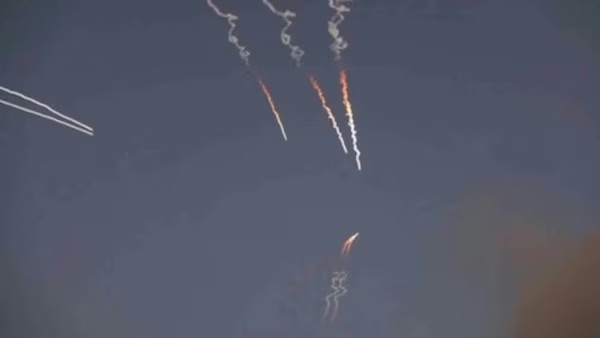
In response, Iran’s Islamic Revolutionary Guard Corps launched attacks on US military bases in Bahrain, Kuwait and Jordan.
According to a statement released by the Iranian state press, the operation hit 21 US military targets and destroyed part of the base infrastructure used by Washington in the Middle East.
Iran stated that the action was a direct response to US “military aggression” against its territory.
Iranian authorities also warned that new US offensives will have a “decisive and overwhelming” response, holding Washington responsible for the consequences of a possible expansion of the conflict.
US bombings hit areas close to the Strait of Hormuz, a strategic region for global oil and gas trade. Tehran said the strikes caused damage to civilian and military installations in the cities of Jask and Sirik, as well as the island of Qeshm.
The offensive comes just days after new clashes between Iran and Israel, which broke the fragile truce established in April after months of war sparked by Israeli and US attacks on Iranian territory in February.
While the US intensifies its military presence in the region, Israel has also increased bombings against southern Lebanon, raising tensions with Hezbollah and hampering any attempt to resume diplomatic negotiations.
United States President Donald Trump once again threatened Iran after the retaliatory attacks.
In a publication on the Truth Social network, he stated that Tehran “will pay the price” for resisting Washington’s demands and declared that the country was being led to economic collapse by the naval blockade imposed by the US.
On the Iranian side, Foreign Minister Abbas Araghchi stated that the country “will not leave any attack unanswered” and once again defended the withdrawal of foreign military forces from the region.
Despite the exchange of attacks, diplomatic sectors are still trying to avoid a large-scale regional war.
Analysts interviewed by the international press assess, however, that trust between Washington and Tehran has reached one of the lowest levels since the beginning of negotiations to end the conflict.
The new military escalation also increases pressure on the world economy. Since the resumption of clashes, the international price of oil has risen again, while governments in the region have activated air defense alerts due to the risk of expanding the war to other countries in the Middle East.
Source: vermelho.org.br