Published 10/06/2026 13:50
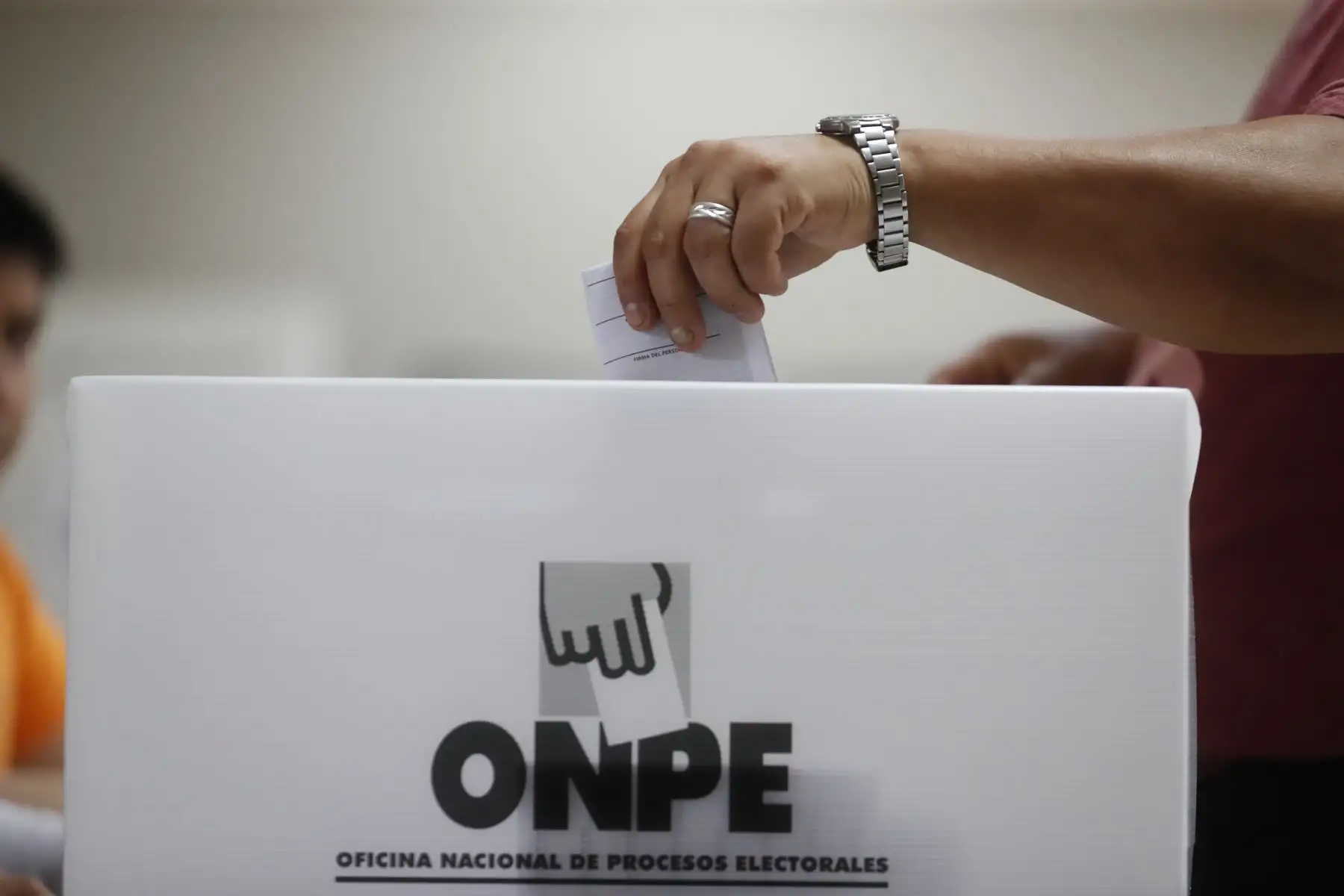
The official count of the second round of the Peruvian presidential elections is progressing, but the final result remains formally undefined and should drag the country into a scenario of long institutional waiting. According to the latest update from the Oficina Nacional de Procesos Electorales (ONPE), deputy Roberto Sánchez Palomino, from Juntos por el Perú, opened a minimal advantage over Keiko Fujimori, from Fuerza Popular. Sánchez recorded 50.068% of valid votes, against 49.932% for the right-wing candidate. The difference is just 24,485 votes — less than 0.14 percentage points —, which keeps the election without an official winner and requires a detailed investigation of each pending minute.
Given this scenario, electoral authorities indicate that the official totalization of the dispute will require patience. The president of the Jurado Nacional de Elecciones (JNE), Roberto Burneo, signaled that the deadline for the official proclamation of the new president of Peru could take up to 30 days. Diplomatic and technical sources in the country point out that the winner should only be declared in mid-July, with between three and five weeks of legal analysis and vote-by-vote counting remaining. The process involves validating more than 1,500 minutes sent for review by Jurados Electorales Especiales (JEE), in addition to processing votes from abroad and minutes contested by parties.
This schedule repeats the slow pattern observed in the first round of the Peruvian presidential election, held in mid-April. On that occasion, the JNE took exactly 34 days to make the result official and confirm the names of Sánchez and Fujimori in the final stage, issuing the proclamation only on May 17th.
While in the first round the delay was caused by the record number of candidates on the ballot and regional logistical problems, the delay in the second round is due to the technical rigor required by the historically narrow margin between the two competitors, which intensifies the supervision of each party in the courts.
The vote of the populations of the interior of Peru
Sánchez’s turnaround in the count reflects the consolidation of the vote in the Andean regions and rural areas, where the left-wing candidate has his main bases of support and surpassed Fujimori’s initial lead, driven by votes from the capital Lima and coastal areas.
Sánchez, a 57-year-old psychologist and former Minister of Foreign Trade and Tourism in Pedro Castillo’s government, is trying to consolidate the victory of the progressive coalition against the leader of Fuerza Popular, who is running for president for the fourth time. Peru has a recent history of strong electoral judicialization and political instability, which increases the importance of direct monitoring through the official ONPE and JNE platforms until the total closure of legal resources.
Left-wing coalition supports Sánchez’s campaign
The Juntos por el Perú (JP) coalition, which supports Roberto Sánchez’s presidential candidacy, acts in the second round as a progressive united front with a socialist and democratic basis. According to the records of the Jurado Nacional de Elecciones (JNE), the alliance – which in its origins brought together social-democratic parties, union movements and peasant fronts – consolidated a platform focused on political decentralization and sovereignty over the country’s natural resources.
To consolidate the advantage in the rural interior and contain the advance of Keiko Fujimori’s Fuerza Popular, Sánchez’s campaign guaranteed an important political reinforcement with the formalization of the support of the Partido Comunista del Perú – Patria Roja and social and union entities, such as the Federation of Teachers (Sutep) and the General Confederation of Workers of Peru (CGTP).
Source: vermelho.org.br