Published 10/24/2025 19:13 | Edited 10/24/2025 21:10
Brazil’s proud foreign policy, under the leadership of President Luiz Inácio Lula da Silva, reaches a historic level with the trip to the East, focused on Southeast Asia. For the first time, a Brazilian head of state is participating in the Summit of the Association of Southeast Asian Nations (Asean), which takes place this Sunday (10/26) in Kuala Lumpur, Malaysia.
The presence consolidates a strategic movement by the Brazilian government that expands global influence and positions the country as a relevant actor in regional blocs outside the traditional Euro-North America axis, seeking to diversify economic partnerships and reduce dependence on central economies.
Strategic integration
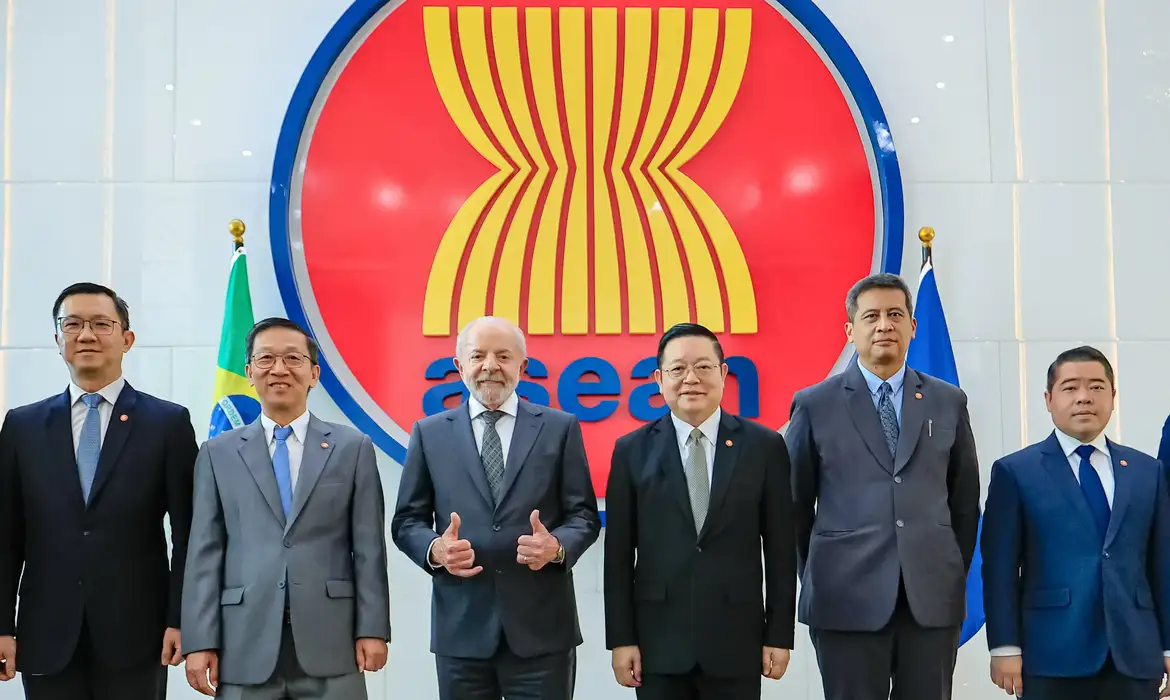
Brazil, the only Latin American country with Asean Sector Dialogue Partner status since 2023, wants to elevate this relationship to full member status. In Jakarta, after meeting with the entity’s secretary general, Kao Kim Hourn, this Friday (24), Lula was emphatic when declaring that “Brazil is working to be a full member of Asean”. This ambition is driven by the economic robustness of the bloc, which encompasses a market of 680 million people and has consolidated itself as Brazil’s fifth largest trading partner in 2024, with exchanges exceeding US$37 billion in 2023.
For Brazil, the unprecedented step in Asia goes beyond immediate trade. It is about strengthening multilateralism and opening strategic markets for Brazilian exports in sectors such as agriculture, mining and renewable energy. Lula highlighted the importance of broad cooperation in trade in local currencies and in the exchange of technology and knowledge: “The more economic partnerships we have, the better. And not just economic and commercial, but partnerships between our universities and our scientists.” The visit to Indonesia, where eight agreements were signed in areas such as mines, energy and agriculture, is proof of this approach, focused on the energy transition and the unexplored potential between nations.
Read more: Lula deepens cooperation between Brazil and Indonesia
The Asean Summit is a stage where Brazil reinforces its leadership in renewable energy. Lula invited the bloc to COP30, in Belém, proposing a dedicated pavilion and a climate negotiation group. The president defends the Brazilian electrical matrix, 87% clean, and advances in bioenergy (gasoline with 30% ethanol and diesel with 20% biodiesel) and displays favorable data to counter imperialist criticism of environmental policy.
Furthermore, the president paves the way for de-dollarization with Asian partners. In Indonesia and Asean, Lula defended the agenda of “less protectionism and freer trade”, aligning himself with the bloc’s movement to reduce dependence on the American currency. The Brics countries are already experimenting with payments in their own currencies. Analysts point out that this strategy aims to gain strong allies for global negotiations.
Lula and Trump face to face
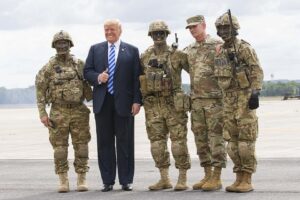
Lula’s agenda in Malaysia will culminate in the long-awaited meeting with American President Donald Trump, scheduled for late Sunday afternoon (local time), on “neutral ground” at the Kuala Lumpur Convention Center. The meeting, expected for months, takes place at a time of commercial and political tensions. Lula demonstrated optimism, but firmly: “I have every interest in having this meeting, I have every willingness to defend Brazil’s interests”, he said at the press conference before leaving Jakarta.
The central theme of the meeting defended by Lula should be the 50% “tariff” imposed by the USA on Brazilian products, a mistake that the president must contest when presenting the figures that reveal advantageous trade for the United States, which has an accumulated surplus of US$410 billion in the last 15 years with Brazil. As an asset, Brazil can offer access to strategic minerals (rare earths and others), essential for chips and batteries, diversifying the American supply, currently held hostage by China.
President Lula also took a strong stance against the American Magnitsky Law, which sanctioned STF minister Alexandre de Moraes and his wife. Lula rejected the act, which the Brazilian government treated as “deep indignation” and undue interference in national sovereignty: “I will contest this punishment without explanation. The ministers made no mistake, they are complying with the Brazilian Constitution”, he stated.
Lula also refuted Trump’s statements, which compared Latin drug traffickers to the Isis group. “You don’t say you’re going to kill people, you have to arrest people,” he said.
Finally, the president hopes that the meeting with Trump will reestablish a “civilized relationship”, based on mutual respect, reinforcing Brazil’s role as a promoter of a new, fairer and multilateral world order.
Source: vermelho.org.br