Published 01/28/2026 1:47 pm | Edited 01/29/2026 14:23
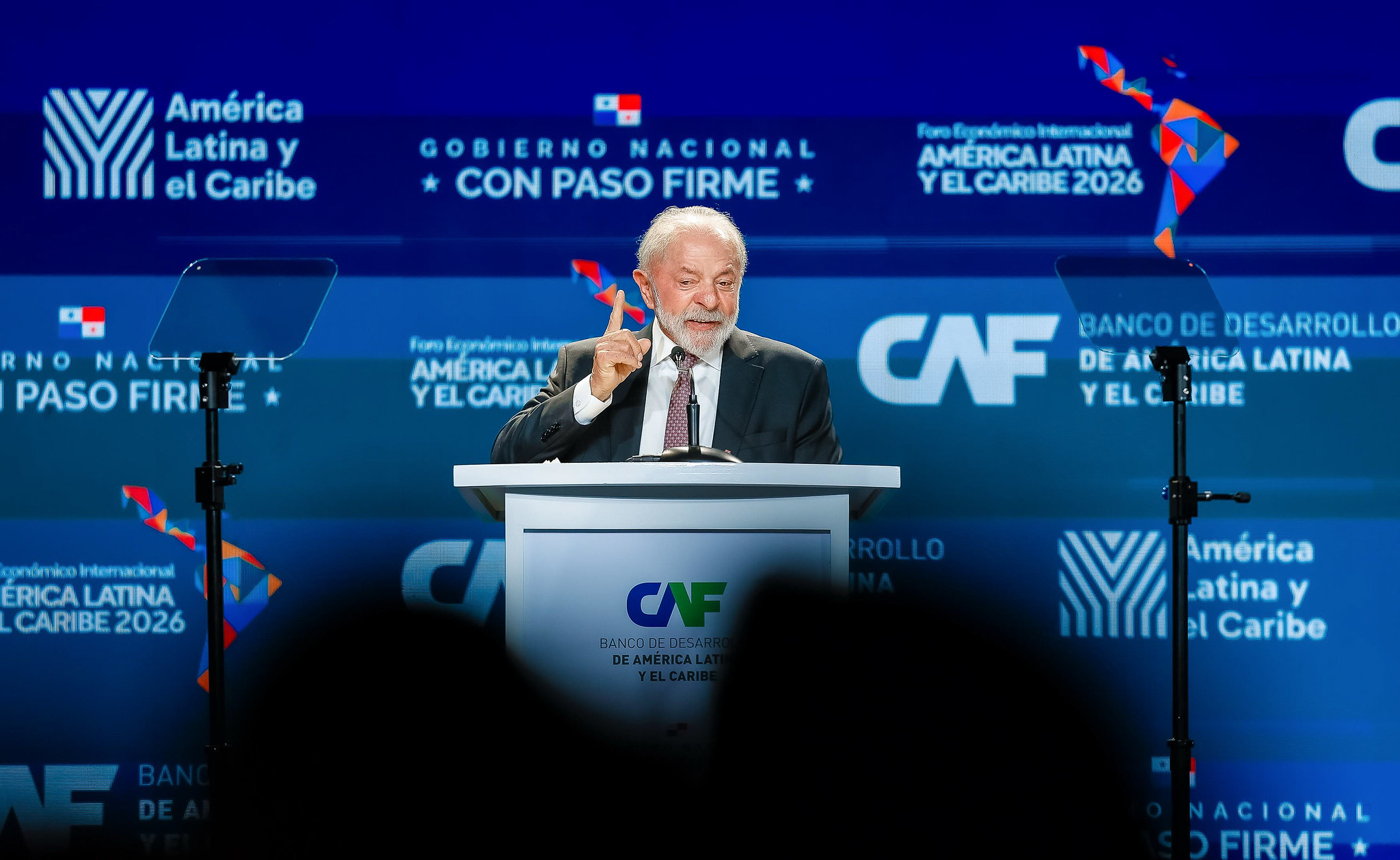
In a speech focused on defending multilateralism, President Luiz Inácio Lula da Silva opened the International Economic Forum of Latin America and the Caribbean this Wednesday (28) pointing out the impacts of hegemonic pressures in the region.
Lula outlined a diagnosis of the current Latin American scenario and warned that the fragmentation of the regional bloc serves the interests of external powers and deepens historical setbacks. In front of leaders summoned by the Development Bank of Latin America and the Caribbean and the Panamanian government, the president not only described the paralysis of multilateral institutions, but identified the aggressive stance of large nations and ideological divisions as central causes of continental disintegration.
From Simón Bolívar to the current paralysis
Lula began his speech by rescuing the symbolism of the Panama Congress of 1826, designed by Simón Bolívar to be the cradle of union and regional independence. However, he pointed out that the continent is currently experiencing the “biggest setback in terms of integration”, citing the extinction of Unasur and the emptying of CELAC.
This disarticulation, for Lula, exacted a high price, which is the inability of nations to offer joint responses to dramas such as the Covid-19 pandemic and the advance of transnational crime. “Continuing divided makes us all more fragile”, he warned.
The attacks of “unilateralism and neocolonialism”
Lula dealt with foreign interventions directly. In a clear allusion to United States foreign policy, he pointed to unilateralism as a real threat to the region. “The division of the world into zones of influence and neocolonial attacks for strategic resources constitute anachronistic gestures and historical setbacks,” he declared. The speech refers to the history of sanctions and crises promoted or encouraged by Washington in Venezuela and Haiti.
The Brazilian president defended the strategic neutrality of the Panama Canal and rejected the Pan-Americanist models that he considers obsolete, as they function as transmission belts for the interests of the Global North. Instead, he proposed a “pragmatic and plural” integration, capable of shielding the region from unilateral military and economic pressures.
Roosevelt’s rescue against digital hate
In a diplomatic move, Lula sought in US history a counterpoint to Donald Trump’s advances by citing Franklin Roosevelt’s “good neighbor” policy. The president revived the speech of the “four freedoms” (of expression, of worship, of living without poverty and of living without fear), attributed to Roosevelt, as a way to strengthen democracy and confront hate speech. Lula highlighted that manipulation by algorithms represents a new form of curtailing sovereignty and freedom in Latin America.
“The only war we need to fight is against hunger and inequality”
Lula concluded by reaffirming that Brazil remains a zone of peace governed by international law, refusing to be drawn into global hegemonic conflicts. “For Brazil, the only war we need to fight is against hunger and inequality. Our weapons must be fair trade and technology at the service of the people”, he concluded.
Source: vermelho.org.br