Published 01/05/2026 19:12
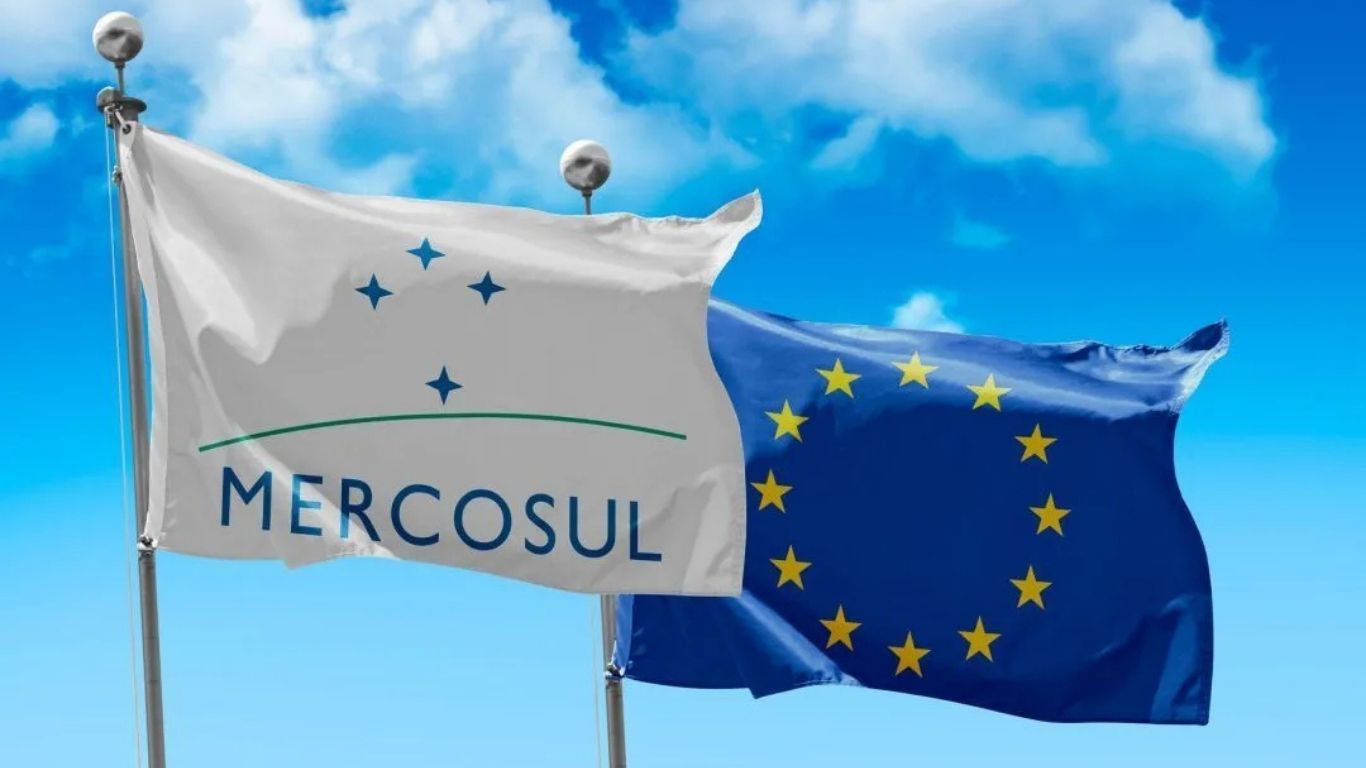
The expectation of formalizing the agreement between Mercosur and the European Union, last December, was frustrated by the opposition of some countries. However, this year, Italy is already demonstrating that it must accept the partnership between the blocs to form one of the largest bilateral free trade agreements in the world.
The Italians, together with the French, led the opposition that prevented the agreement from being closed during the last Mercosur Summit, as they indicated that they needed greater guarantees for farmers. At the time, President Lula, who was also heading the South American group, reported that the Italian Prime Minister, Giorgia Meloni, had requested more time to convince her compatriots to accept the terms.
Furthermore, a letter sent by the presidents of the European Commission and the European Council, Ursula Von der Leyen and António Costa, signaled that the agreement, negotiated for more than 25 years, had not foundered and reinforced the expectation for formalization in the first months of 2026.
Now, according to the news agency Bloombergthe Italians could change their position in a Council vote next Friday (9), which would authorize Von der Leyen to carry out the joint signature with the members of Mercosur (Brazil, Argentina, Uruguay and Paraguay) the following week, on January 12.
Read more: Lula regrets delay in the Mercosur-EU agreement and condemns intervention in Venezuela
According to the agency, European Commission spokesperson Paula Pinho indicated that progress had been made in negotiations in recent weeks for a signature soon. Meloni is seeking more budget for his country’s agriculture from the European bloc, in addition to other protections not yet specified.
The change in Italy’s position is fundamental, as the country’s population weight is relevant in collegial decisions. France (15.2%) and Italy (13.1%), together with Poland (8.1%), another country that opposed the partnership, make up more than 35% of the bloc’s population, which is enough, from a regulatory point of view, to prevent the agreement.
As Brazilian Chancellor Mauro Vieira explains, the trade agreement between the blocs involves 720 million inhabitants in the two regions and a total GDP of around 22 trillion dollars: “The European Union is Brazil’s second largest trading partner, sometimes it is the third, it varies according to the year, therefore, it is a very important partner”.
According to Bloomberg Economics, the agreement could boost Mercosur’s economy by up to 0.7% and Europe’s by 0.1%, in addition to representing an opportunity for the ‘old continent’ to expand its influence in a region in which China is increasingly advancing.
Source: vermelho.org.br