
Published 14/11/2025 11:46 | Edited 14/11/2025 18:33
A few days before the first round of presidential elections in Chile, scheduled for this Sunday (16), the country finds itself facing a choice that goes beyond the dispute between candidacies and exposes the crossroads regarding its political future.
With the second round scheduled for December 14, the election synthesizes the open polarization since the 2019 social revolt and pits three country projects against each other: neoliberal authoritarianism promoted by Pinochet-based parties, an attempt to reconstitute a grand neoliberal coalition inherited from the 1990s and a social democratic popular front led by Jeannette Jara, from the Communist Party of Chile (PCCh).
Former Minister of Labor in the Gabriel Boric government, Jara leads the polls with rates between 30% and 38%, according to different surveys. The left arrives mobilized, after massive demonstrations in Maipú, Talca and Concepción that brought together tens of thousands of people.
But the electoral scenario, marked by the growth of the extreme right and the weight of issues such as public security and migration, makes the outcome of a possible second round uncertain.
Fragmented right increases the risk of a return to Pinochetism
The final stretch of the campaign is marked by the fragmentation of the right and the escalation of authoritarian speeches. The ultraconservative José Antonio Kast (20% to 25%) and the “libertarian” deputy Johannes Kaiser (16% to 17%) compete vote by vote for control of the Pinochet camp.
Both represent a project of neoliberal authoritarianism that proposes expanding the power of the Executive, militarizing public security, tightening migration policies and drastically reducing social spending. Kast promises $6 billion in cuts; Kaiser, double.
The growth of Kaiser, who imitates the performance style of Javier Milei and proposes sending irregular immigrants with criminal records to the mega prison in El Salvador, has changed the internal dynamics of the right.
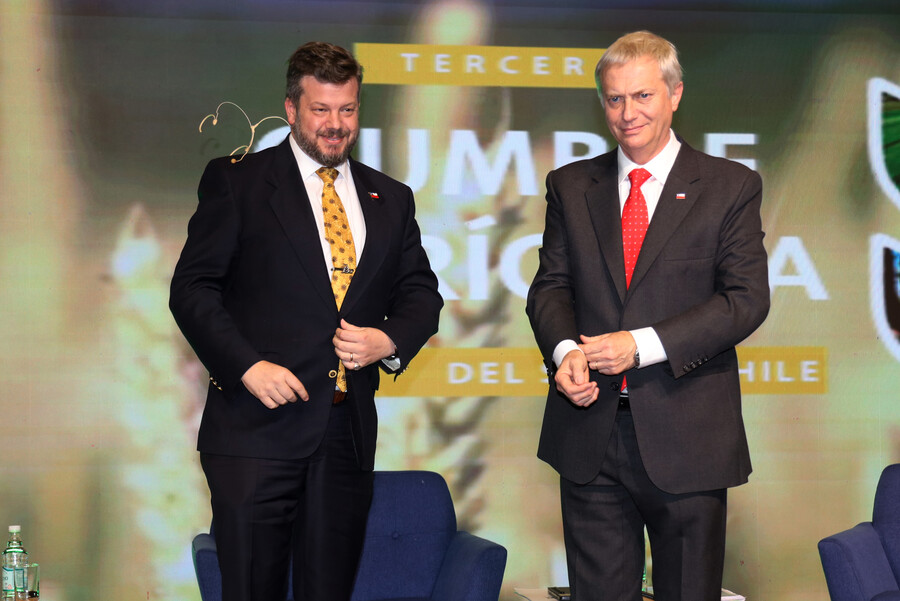
In a television debate, the deputy stated: “I will not enter Chile like Herod, being a president who supports a law on free abortion”, in reference to the proposal for voluntary termination of pregnancy — criminalized in the country.
The biblical reference is recurrent in the discourse of the religious right and associates abortion advocates with the figure of Herod, the king described in the New Testament as responsible for the “Massacre of the Innocents”.
At the same time, Evelyn Matthei, former mayor of Santiago and political heir to the post-dictatorship neoliberal governments, appears stagnant at around 13% and is facing wear and tear after accusations of a “dirty war” and fake news attributed to the Kast camp.
Even with the public support of 102 former center-left authorities, his candidacy lost ground among conservative sectors, which migrate to the extreme right.
Security and migration dominate the campaign and strengthen the discourse of exception
The deterioration of the sense of security became the main driver of the electoral debate. Homicides have tripled in the last decade, kidnappings have reached historic numbers and 63% of Chileans say that public safety is the next government’s priority.
These data, although they express a real change in the criminal scenario, are used by the right to establish a direct association between immigration and crime, especially against Venezuelans.
According to official estimates, 337 thousand foreigners live illegally in the country, and the immigrant population has doubled in seven years, reaching 8.8% of the inhabitants.
Kast and Kaiser defend mass expulsions, a border wall and the mobilization of up to 3,000 soldiers. Kaiser even mentioned the creation of “retention camps” for migrants — a proposal that echoes European and North American segregation policies.
Jara consolidates popular front and disputes security narrative
Faced with this scenario, Jeannette Jara sought to politically occupy the field of security without adopting the punitive logic of the right. “The issue of public safety will be a priority from day one,” he said on television.
Her proposal combines technological border control and combating organized crime by lifting banking secrecy — a measure that, according to the candidate, directly affects the financial structure of criminal organizations.
The communist, however, works to expand its base beyond the historical core of the PC. In a recent debate, he said he would “suspend or cancel” his membership in the party if he wins the elections, as a sign of openness to a broader governing coalition.
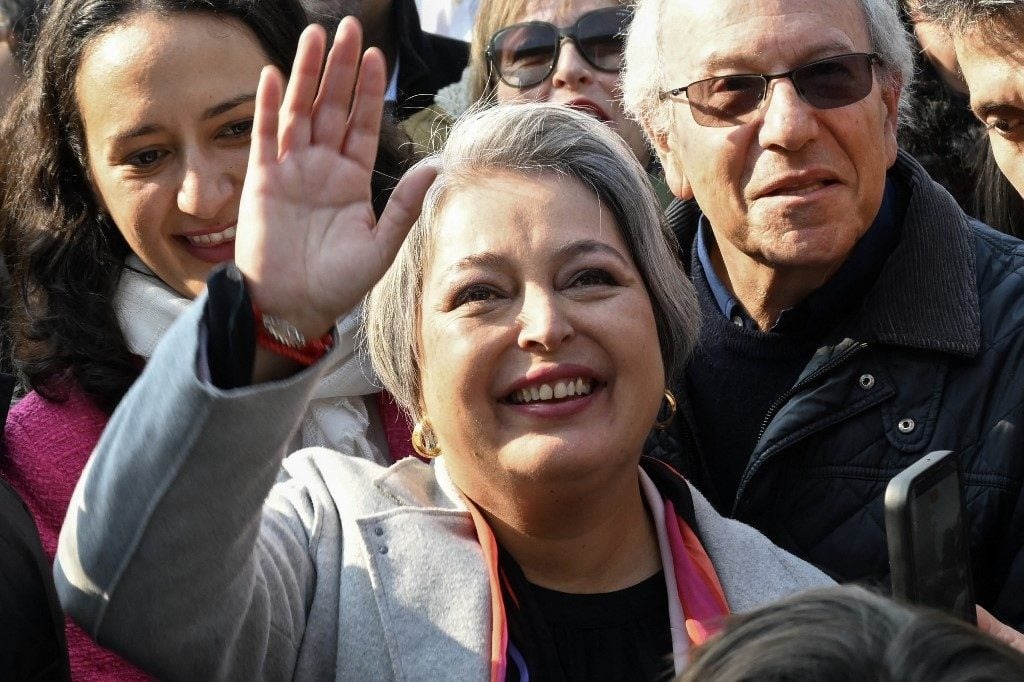
Jara also distanced himself from the Boric government by criticizing the agreement between the state-owned Codelco and the private mining company SQM, at the same time that he defended Chile’s entry into BRICS+, in a significant geopolitical nod.
Her personal trajectory has been a mobilizing element: born in a working-class neighborhood, she began activism at the age of 14, led the student movement and worked in several basic jobs before leading the reduction of working hours from 45 hours to 40 hours and implementing the reform of the private pension system.
Neoliberal authoritarianism x grand coalition x popular front
Chilean analysts converge in the assessment that the country faces a dispute between three irreconcilable paths. The neoliberal authoritarianism represented by Kast and Kaiser reissues central aspects of Pinochetism, combining repression, social cuts and economic ultraliberalism.
The grand coalition led by Matthei is trying to reactivate the moderate pact of the 1990s, but has lost strength after the failure of constitutional processes.
And Jara’s popular social democratic front seeks to consolidate a progressive alternative capable of stopping the authoritarian advance, focusing on lower energy tariffs, a minimum wage of US$750, a strengthened public health system, job creation and social policies aimed at the economic crisis of families.
The 2025 presidential race functions as a dispute between two antagonistic projects: on the one hand, the continuity of an expanded social agenda; on the other, the promise of a return to neoliberal prescriptions combined with proposals for institutional hardening.
Projections indicate Jara’s victory in the 1st round and a tight dispute in the 2nd
Research shows that Jara was practically assured of victory in the first round, but would have difficulty in the second if he faced Kast. Against Kaiser, the scenario is more open, according to recent projections.
The fragmentation of the right opened space for unexpected rearrangements, including the possibility — still remote — of Evelyn Matthei overcoming the extreme right’s internal dispute and advancing to the second stage.
The country goes to the polls without having resolved the tensions produced by the 2019 Social Estallido, which left 32 dead, 3,400 injured and deep frustration with constitutional processes. The crisis of global neoliberalism accentuates uncertainty about the near future.
Regardless of the result, this Sunday’s election marks the beginning of a new cycle in Chile, in which social and political forces will have to permanently dispute the meaning of democracy and the fate of structural reforms that have been paralyzed since 2019.
Source: vermelho.org.br