Government of Venezuela calls for new National Popular Consultation for October 11th
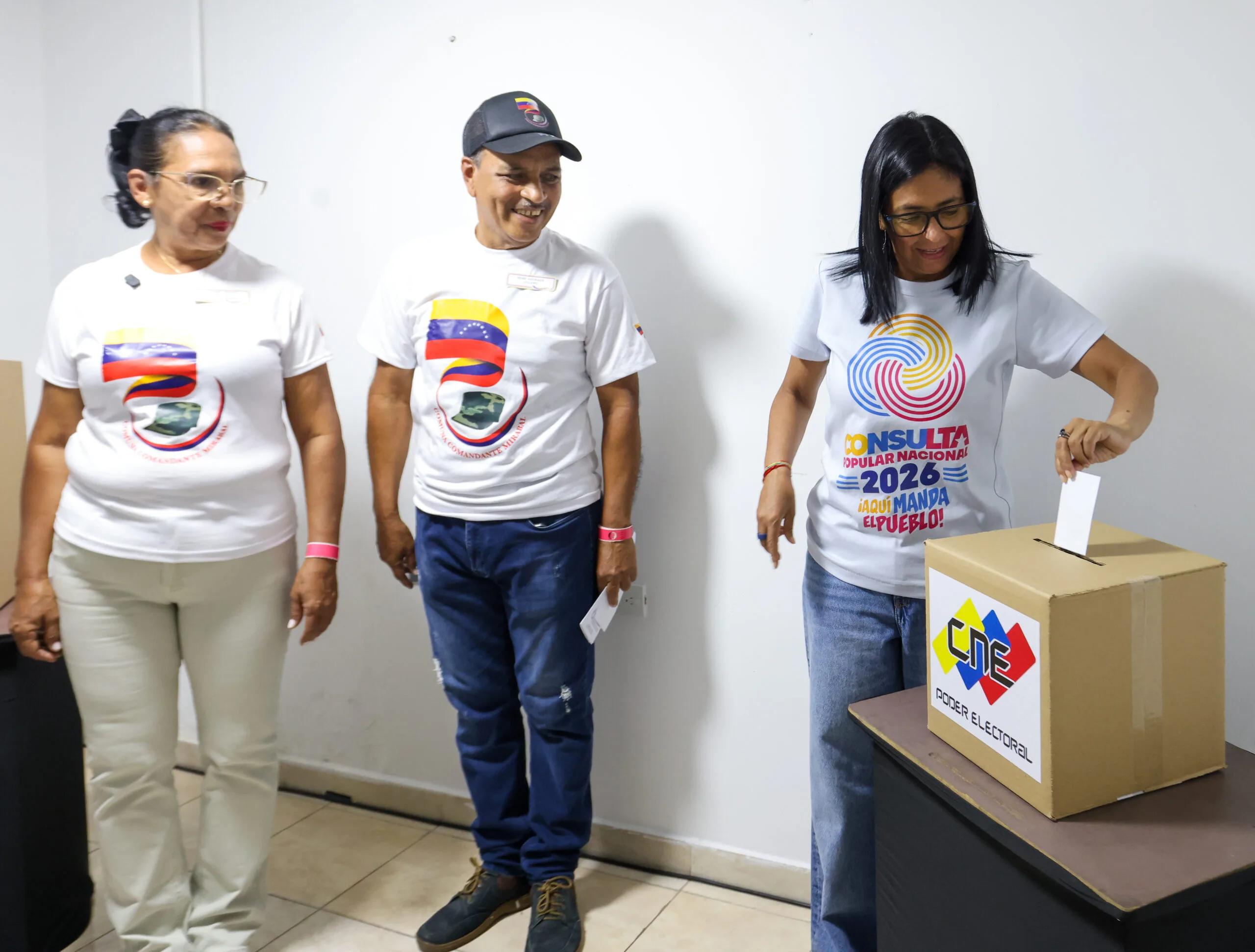
The Venezuelan government announced the holding of a new National Popular Consultation, scheduled for October 11th. The statement was made by the acting president, Delcy Rodríguez, who highlighted the mechanism as a way of consolidating the country’s democratic and popular path.
The intention is for public resources to be allocated directly to whatever the community decides to be a priority in their regions, strengthening the project of socialist communes. Consultations were scheduled for July 12th, but were suspended after the double earthquake that hit the country on June 24th.
“We had a popular consultation which, at the request of the communes and due to the double seismic shock, was cancelled. I want to announce that, on October 11th of this year, we will go to the popular consultation, so that the communal councils, communes, communal circuits and condominium boards, which for the first time will participate, can start to see which projects they want to take to the consultation and so that these resources go directly to what the community decides”, announced the acting president last Saturday (15).
Understand
Popular consultations are direct participation processes in which residents of each location vote to elect community projects that will receive resources from the State. This model allows communal councils and communes to choose where to invest public money within their own territory.
Among the projects that can be voted on are improvements in public services, infrastructure works, housing recovery and production plans. After approval by direct vote, the community itself is responsible for executing and supervising the approved work.
National Popular Consultations seek to strengthen communal government and bring public management closer to the needs of the most vulnerable families. In previous experiences, such as the one carried out on March 8, community participation reached 85.6%. The process is seen by authorities as a fundamental step towards direct democracy, allowing the population to make decisions about the development of their territory.
Source: www.brasildefato.com.br