Published 13/12/2025 18:30 | Edited 12/13/2025 18:32
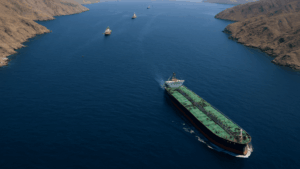
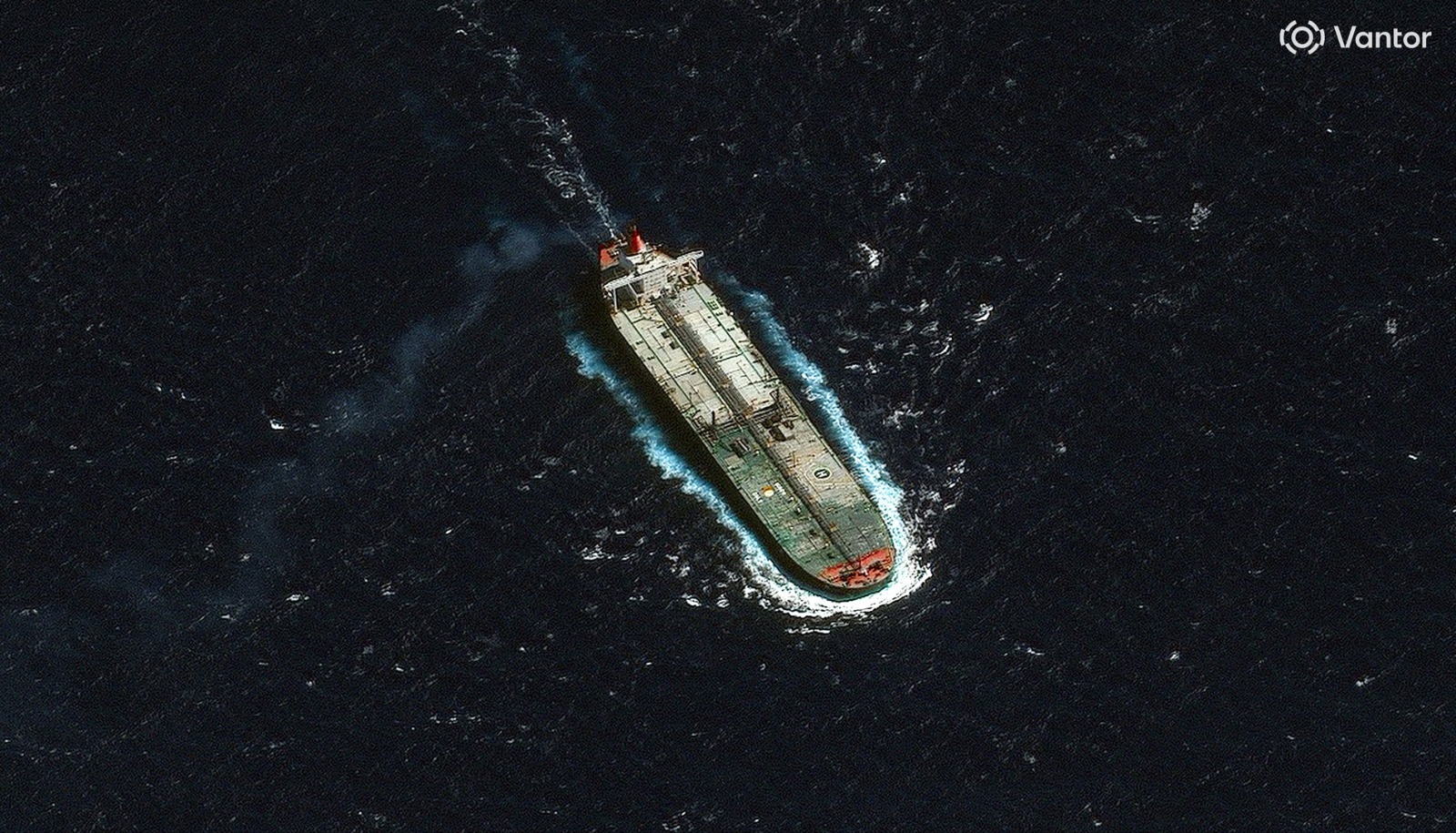
Cuba accused the United States this Friday (12) of promoting an escalation of “maritime terrorism” in the Caribbean by seizing a Venezuelan oil tanker in international waters, in an action that Havana classified as part of the economic war led by Washington against the island.
“This action is part of the United States’ escalation to impede Venezuela’s legitimate right to freely use and trade its natural resources with other nations, including the supply of hydrocarbons to Cuba,” said the Cuban Ministry of Foreign Affairs, in a statement.
For Havana, the seizure of the ship further violates the policy of “maximum pressure and economic suffocation” imposed by the United States.
According to the official statement, the operation has a direct impact on the Cuban energy system and “consequently, on the daily lives of our people”, by hindering the supply of fuel from Venezuela amid the electrical crisis faced by the island.
In the same statement, the Cuban Foreign Ministry stated that the seizure of the oil tanker represents “the application of the Trump corollary of the Monroe Doctrine” and constitutes “an attack on the proclamation of Latin America and the Caribbean as a Zone of Peace.”
The Cuban government added that the seizure of the oil tanker is not an isolated episode, but the continuation of a policy adopted during Donald Trump’s first term.
Between 2017 and 2021, Washington imposed secondary sanctions, pursued ships and companies involved in transporting Venezuelan oil, and adopted measures designed to “obstacle free trade in Venezuelan oil resources.”
At the time, the United States increased sanctions against PDVSA, penalized shipowners and insurance companies and began monitoring maritime routes in the Caribbean, directly affecting the supply of fuel to Cuba.
NYT describes Cuba as central effect of US pressure on Caracas
The reading presented by Havana is also supported by analyzes published by the United States press.
Recent reports from New York Times point out that the escalation of sanctions and direct actions against Venezuela is treated, within the White House, as an instrument to indirectly pressure the Cuban government.
According to the New York Timesthe Donald Trump government’s strategy against Venezuela has the effect — and the objective assumed behind the scenes — to weaken Cuba.
Reports published this week indicate that the offensive against Caracas, which includes expanded sanctions and the seizure of a ship with Venezuelan oil destined for the island, is seen in the White House as an indirect way to pressure Havana.
This assessment is explained by authorities and former authorities from the United States interviewed by the newspaper.
Juan S. Gonzalez, former top White House advisor on Western Hemisphere affairs, stated that the strategy is based on the premise that the siege of Venezuela would have direct effects on Cuba.
“Their theory of change involves cutting off all support for Cuba. Under this approach, when Venezuela falls, Cuba will follow,” he said.
O New York Times points out that this reading has been defended for years by Marco Rubio, current Secretary of State and National Security Advisor, who sees the weakening of the Cuban government as a desirable by-product of the pressure on Caracas.
In previous statements cited by the newspaper, Rubio stated that “anything that is bad for a communist dictatorship is something I support.”
The son of Cuban immigrants who lived in Florida before the 1959 Revolution, Rubio built his political career with a platform centered on confronting the governments of Cuba and Venezuela, defending sanctions, diplomatic isolation and the tightening of United States foreign policy in the Caribbean and Latin America.
According to the newspaper, this agenda guaranteed him strong support in the conservative electorate of South Florida and brought him closer to the Republican base aligned with Donald Trump.
In this context, it evaluates the New York Timesthe policy of pressure against Venezuela appears, within the White House itself, not only as a response to the Caracas government, but as part of a broader strategy that articulates geopolitical, electoral and ideological interests in the hemisphere.
Source: vermelho.org.br