Published 06/08/2025 14:23 | Edited 06/08/2025 14:30
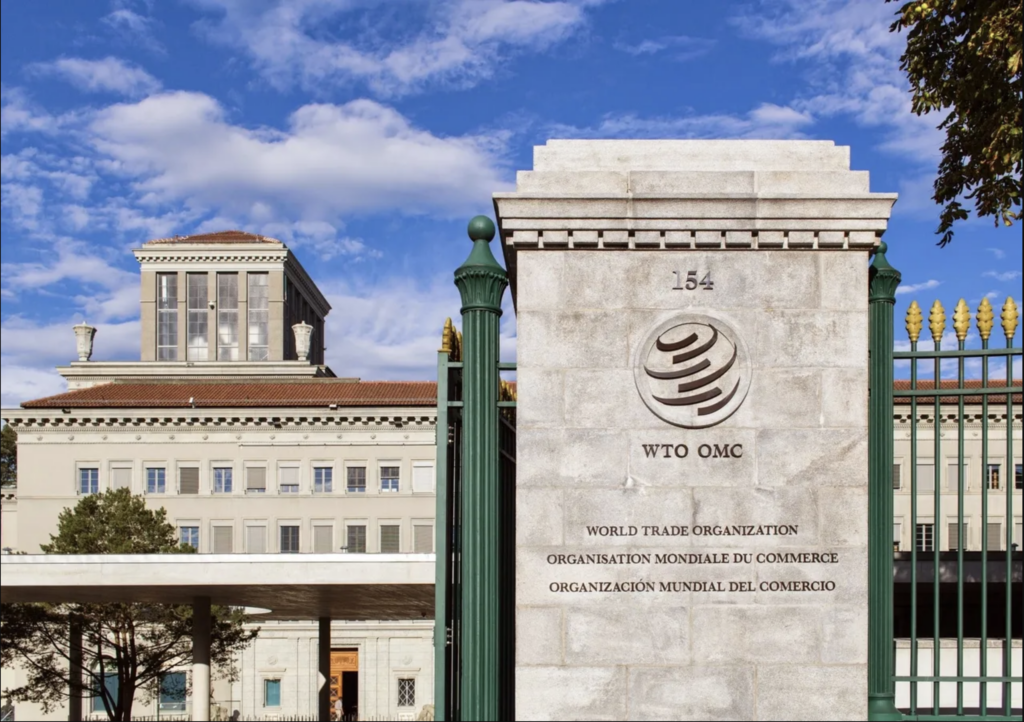
The Brazilian government formalized on Wednesday (6) a complaint against the United States in the World Trade Organization (WTO), in response to 50% tariffs imposed by Donald Trump on Brazilian products. The measure marks Brazil’s return to a more assertive and strategic foreign policy after failed attempts at diplomatic solution.
Itamaraty requested the opening of consultations with the US, the first stage of the WTO controversy mechanism. Although the expectation for an effective solution is low, the initiative has symbolic and legal weight, serving as an instrument of international pressure and affirmation of Brazilian commitment to multilateralism.
US blockade paralyzes WTO and empties practical effect of the dispute
Since 2019, the United States has been preventing the appointment of new judges to the WTO appeal body, which compromises the entire dispute resolution system. Even if Brazil gets victory in the initial panel, the US will be able to resort indefinitely, keeping the rates in force without immediate legal consequences.
This institutional obstruction, which began by Trump and maintained to this day, weakens one of the pillars of the WTO and highlights the fragility of multilateral rules in the face of economic powers. For Brazilian diplomats, however, bringing the case to the WTO is still strategic: it creates a formal record of violation, strengthens the national position and can support future retaliation.
Bolsonarism support for tariff and break with diplomatic pragmatism
The tariffs imposed by Trump Miram Strategic sectors of the Brazilian economy and, according to documents and statements, were articulated with the political support of the Bolsonaro family. The ideological alignment between the two extreme right leaders resulted in a removal from Brazil from its traditional pragmatic and multilateral foreign policy.
The action of the Lula administration thus represents an inflection: resumes the attitude of active defense of national interests in the global scenario and seeks to reverse the diplomatic heritage of pockets, which prioritized ideological affinities over concrete results for the country.
WTO in Check: Brazil presses for revitalization of the multilateral system
The Brazilian offensive occurs in a context of growing WTO discredit, which since its foundation in 1995, it functioned as a goal against commercial wars. The paralysis of its appeal body and the proliferation of unilateral measures place the efficacy of the system.
Nevertheless, Brazilian authorities believe it is essential to continue betting on international rules. Previous cases, such as Brazil’s victories on cotton and sugarcane subsidies, reinforce the importance of maintaining active presence in these forums, accumulating legitimacy and political capital.
Consequences of Litigation
Consultations between Brazil and the USA will have a period of up to 60 days to seek a consensual solution. If there is no agreement, Brazil may request the installation of a dispute panel. Although the appeal system is locked, the process will formally record abuse, strengthen alliances with other countries affected by similar measures, and prepare any commercial retaliation.
With the action, the Lula government makes it clear that it will not passively accept unilateral attacks and reaffirms its commitment to a global order based on rules, cooperation and respect for sovereignty. The dispute in the WTO is, therefore, both a response to the fare and a repositioning of Brazil in the international arena.
Source: vermelho.org.br