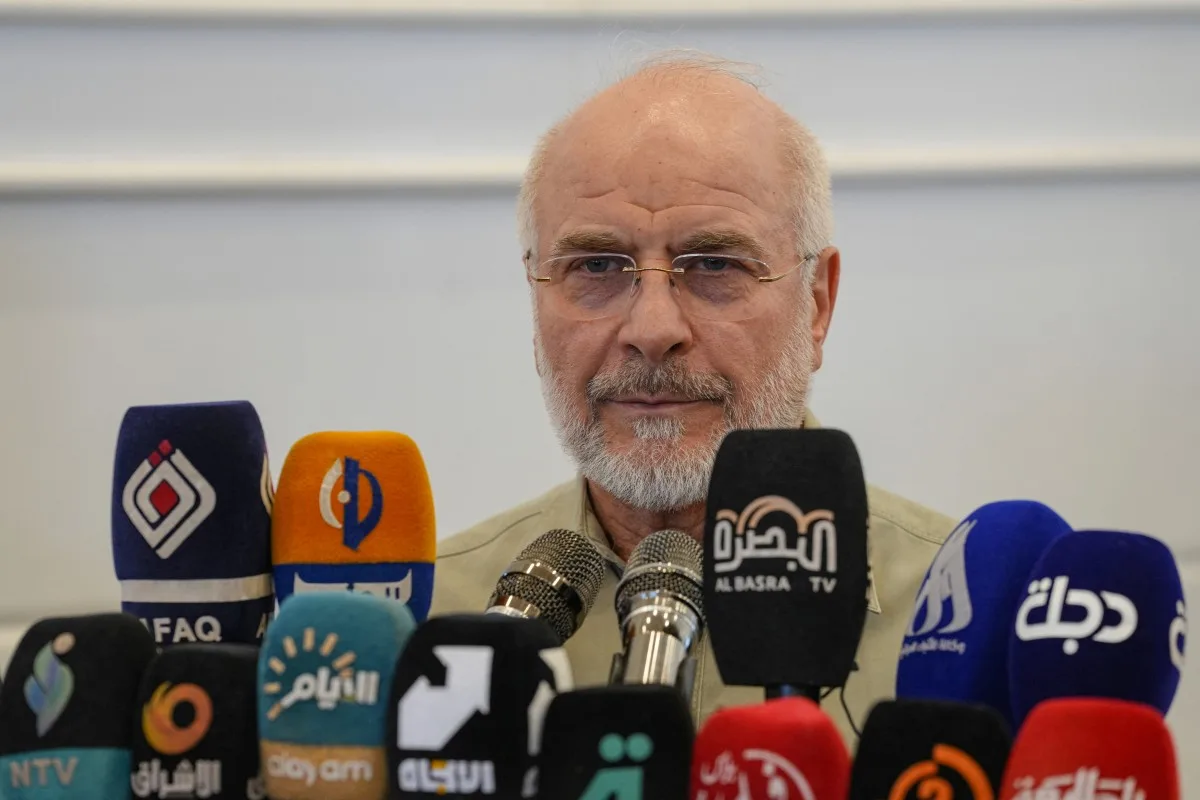
The president of Iran’s parliament, Mohammad Bagher Ghalibaf, said this Friday (21) that his country needs to plan to overcome the “cruel sanctions”, after US Treasury Secretary Scott Bessent announced what he described as the toughest tariffs ever imposed on Iran, according to Ghalibaf’s Telegram channel.
“If we analyze the resources and raw materials of Muslim countries, we will realize that our enemies are coming to plunder them, therefore, we must plan severe sanctions to overcome this situation,” he said.
Ghalibaf, who is on a trip to Iraq, called on Baghdad to cooperate with Tehran amid the war, saying that “the Americans and Israelis have realized that they cannot prevail against Iran and Iraq in a conventional military war.”
“So,” he added, “they went into cognitive warfare and economic warfare, and now you are the soldiers and commanders on this battlefield.”
Bessent declared that “any remaining link with Tehran will accelerate a nation’s economic decline, whether that link is purposefully built or deliberately ignored,” he wrote on social media on Thursday night (20).
The United States has already imposed sanctions on Iran’s economy and leadership, and the Trump administration has previously sanctioned foreign companies and organizations that trade with Tehran, but Washington suggested this week that officials were preparing measures to target countries that buy Iranian oil.
President Donald Trump also promised an “economic D-Day” against Tehran and vowed “tremendous economic consequences” for countries doing business with the Persian country.
On Thursday, Washington said that Hezbollah — an Iranian-backed group in Lebanon — would be designated as an affiliate of the Iranian regime under the command of the Revolutionary Guards, and the announcement was accompanied by new sanctions against 10 individuals accused of working to smuggle money for the militia.
More comprehensive sanctions targeting Iran’s ability to export oil would worsen Tehran’s economic challenges, as the war and U.S. blockade have paralyzed key sectors of the economy and the population faces very high inflation.
In this regard, on Thursday, Shamseddin Hosseini, chairman of the Iranian Parliament’s Economic Committee, stated that it was important for Iran to reduce dependence on the country’s southern ports, where the US blockade is in effect, and expand trade routes through the land border in the northeast, according to Iranian state media.
“To get out of the current situation, it is necessary to change the direction of economic policy,” said Hosseini, according to the reports.
Source: www.brasildefato.com.br