Published 06/08/2026 12:57 | Edited 06/08/2026 13:22
Iran and Israel announced this Monday (8) the temporary suspension of attacks after a new military escalation marked by Israeli bombings against southern Lebanon, the surroundings of Beirut and targets in Iranian territory.
The pause comes amid the United States’ attempt to preserve negotiations with Tehran, shaken by Israeli offensives in recent days.
The crisis worsened on Sunday (7), when Israel once again attacked areas of southern Lebanon and the Dahieh region, on the outskirts of the capital Beirut, a stronghold of Hezbollah.
The bombings occurred despite ongoing talks between Washington and Tehran to try to reach an agreement to end the regional conflict that began in February and negotiations between the Lebanese government and Israel to contain attacks in southern Lebanon.
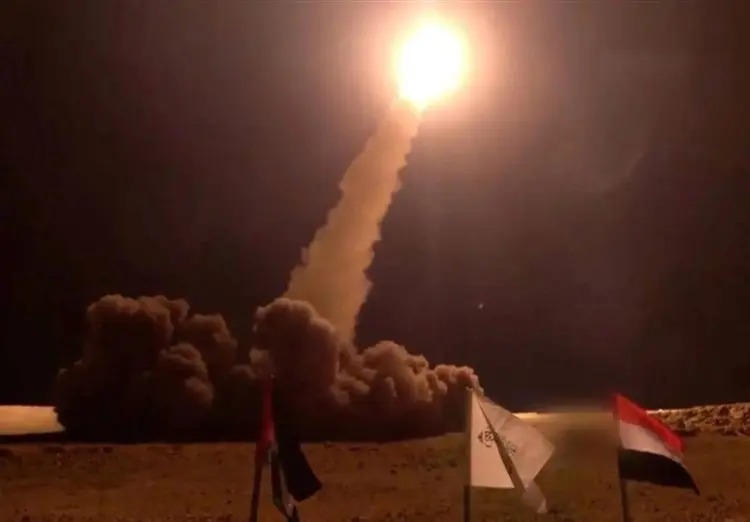
In response, the Islamic Revolutionary Guard Corps launched missiles against northern Israel and stated that the main target of the operation was the Ramat David air base, identified by Tehran as the origin of Israeli attacks against Lebanon.
The Khatam al-Anbiya Headquarters, the main operational command of the Iranian Armed Forces, declared that the action was a “painful response” to Israeli offensives against Lebanese territory and warned that new operations could occur if the bombings continued.
“If the aggressions and evils continue, including in southern Lebanon, much more severe and crushing measures will be on the way,” the Iranian military command said in a statement carried by the Fars agency.
Trump even publicly demanded that Tel Aviv not respond to Iranian attacks to avoid the collapse of negotiations led by Washington, but Israel returned to bombing Iranian territory hours after Tehran’s offensive.
According to Israeli authorities, the attacks hit air defense systems and petrochemical facilities in Mahshahr, in southwestern Iran. Explosions were also recorded in Tehran, Tabriz and Isfahan.
Following the new round of attacks, both Tehran and Tel Aviv signaled a temporary halt to military operations. Reuters reported that an Israeli source confirmed the suspension of bombings, while Iran officially announced the pause in armed actions.
The sequence of events once again exposes the contradictions of US policy towards the Middle East.
While Washington tries to negotiate an agreement with Tehran, Israel has increased attacks against Lebanon and Iran, raising the risk of the collapse of the negotiations led by the United States.
Donald Trump publicly pushed for a halt to the attacks after the escalation threatened Washington-sponsored diplomatic talks. The American president stated that Israel and Iran should “immediately stop shooting” and declared that an agreement was close, but avoided any concrete criticism of the Israeli bombings against Lebanon.
The Iranian government said the Israeli actions demonstrated a deliberate attempt to sabotage the negotiations. Iranian Foreign Ministry spokesperson Esmaeil Baghaei declared that Tehran conducts dialogue with the US in an environment of “extreme distrust”.
According to Baghaei, the Israeli attacks on Lebanon occurred precisely at a time when international mediators were in Tehran discussing paths to a regional ceasefire. Iranian officials maintain that any agreement depends on the end of Israeli offensives against Lebanese territory.
Tension has also returned to the Persian Gulf. Iran reiterated that US military bases in the Middle East could be considered “legitimate targets” if Washington directly participates in new offensives. At the same time, Yemen’s Houthis threatened to intensify actions against Israeli shipping in the Red Sea.
Despite the announcement of the pause, the regional scenario remains unstable. Israeli officials previously said operations could continue “as long as necessary,” while Tehran insists it will resume attacks if Lebanon continues to be bombed.
Source: vermelho.org.br