Published 03/10/2026 16:51 | Edited 03/10/2026 16:58
The war provoked by Trump and Netanyahu against Iran triggered a global diplomatic race to withdraw foreigners and a massive displacement that has already affected millions of civilians. The Brazilian Ministry of Foreign Affairs is seriously monitoring the situation of the approximately 70 thousand Brazilians who reside in the region. The largest contingent is concentrated in Lebanon, with 21 thousand people, followed by the United Arab Emirates and Israel, which is home to 14 thousand citizens. In addition to permanent residents, it is estimated that at least 8,000 Brazilian tourists were in transit when the bombings began.
Although a mass rescue operation by the Brazilian government has not yet been launched, contingency plans have already been drawn up. The Brazilian Air Force maintains strategic aircraft on standby for repatriation missions in the event of a total closure of airspace. At the moment, Itamaraty’s guidance focuses on voluntary departures via commercial flights, with embassies negotiating partial access to airports in Jordan, Saudi Arabia and Oman. Reports indicate that some groups have already managed to leave the conflict zone via alternative routes, such as naval transport towards Dubai, which transported around 300 Brazilians. The government issued warnings advising against travel to 11 countries in the region and, to date, there are no records of deaths among the Brazilian community.
Unprecedented international mobilization
Several nations intensified the evacuation of their citizens in the face of aerial chaos and constant bombing. France, with around 400,000 people affected, organizes charter flights in coordination with other governments to evacuate the most vulnerable. Germany also prioritizes repatriation from bases in Saudi Arabia and Oman, while Japan has already carried out military rescue flights. Other countries, such as India, Angola and the Czech Republic, have activated emergency plans to evacuate thousands of stranded workers and tourists. The European Commission works to coordinate flights to several countries in the bloc, using the Civil Protection Mechanism to guarantee seats for citizens of Italy, Austria and Portugal.
Forced displacement of local populations
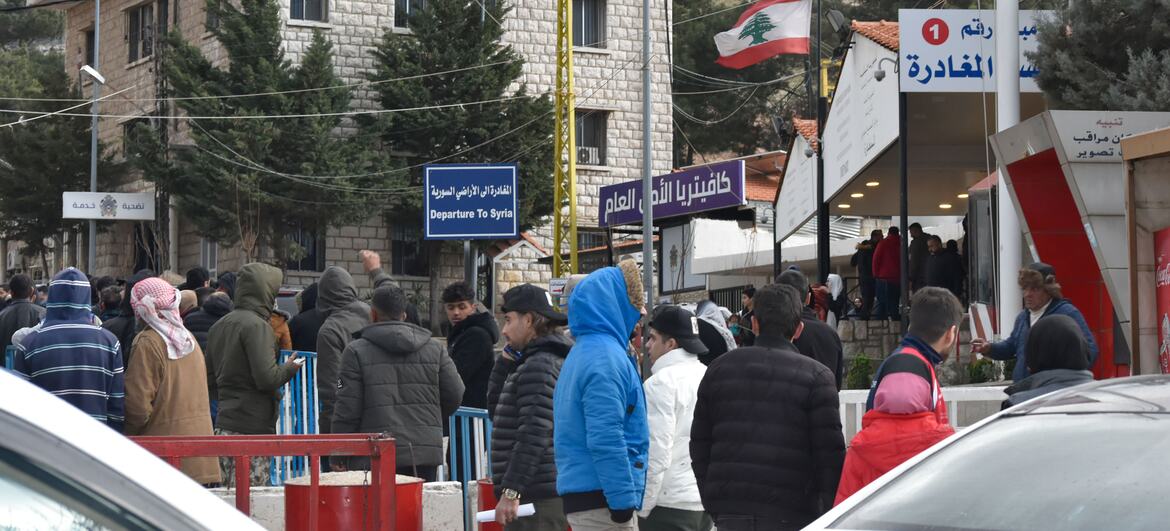
The UN and UNHCR classify the situation as a humanitarian emergency. Lebanon became the epicenter of this tragedy: in just one week, 700,000 people, including 200,000 children, were forced to flee their homes. In the last 24 hours, the flow intensified with over 100,000 new displaced people seeking refuge on roads or makeshift shelters. In Iran, the central target of the US offensive, around 100,000 people fled Tehran in the first few days. The country was already facing the challenge of housing 1.65 million refugees from previous crises.
The UN warns that the number of internally displaced people in the region could exceed 1 million if the conflict persists – which would require immediate funding of more than 454 million dollars for humanitarian assistance.
In addition to the destruction of hospitals and schools, the world is already feeling the economic consequences of rising fuel and energy prices, worsening global food insecurity. While the UN leads diplomatic efforts for an immediate ceasefire, the humanitarian exodus towards Europe and neighboring countries is emerging as one of the biggest migration crises of the decade, compromising the future of an entire generation in the Middle East.
Source: vermelho.org.br