Published 01/09/2025 16:49 | Edited 01/09/2025 20:52
UNHCR (United Nations High Commissioner for Refugees) has announced that its budget will fall from $ 10.2 billion by 2025 to $ 8.5 billion by 2026 – a reduction of almost 20%. The measure comes at a time when the number of displaced people is expected to reach 136 million next year, a new global record. External Relations Director Dominique Hyde warned that up to 11.6 million people will lose direct access to assistance.
Historically, the United States is the greatest financier of UNHCR. But successive cuts in humanitarian budgets, amid increasing defense spending on the Ukraine War and tension with Russia, dramatically reduced available resources. Only 23% of the 2025 needs have been met so far.
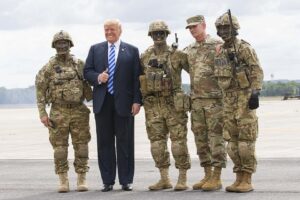
The announcement mirrors a broader transformation in international order: the priority of the main donors, especially the United States and the European powers, migrated from humanitarian aid to military defense and dissuasion, driven by the war in Ukraine, the strengthening of NATA and rivalry with Russia and China.
Falling budget, demands high
Budgeting is not just an administrative dilemma in Geneva; It has a direct impact on nations that receive large refugee flows and already face structural fragility. Uganda, Chad, Lebanon, Colombia and Bangladesh are examples of countries that depend on UNHCR coverage to provide education, health and shelter to millions of displaced people. With less resources, these governments can see social pressure increase, feeding local conflicts, xenophobia and political instability.
In South Sudan, for example, 75% of safe spaces for women have already been closed, leaving tens of thousands of refugees without protection against gender violence. In Bangladesh, 230,000 Rohingya children can run out of school. These cuts not only expand individual vulnerability, but also run the mechanisms of social cohesion that avoid explosions of violence in overcrowded refugee camps.
The imbalance can generate a paradox: By not investing in the protection and integration of refugees, states are in danger of feeding cycles of instability that soon or later overflow borders and demand even more costly military answers again.
Reflexes in Brazil
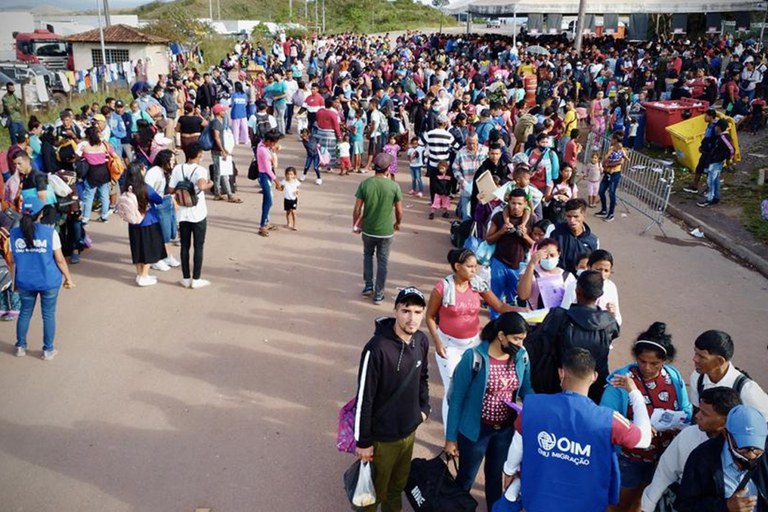
In the Brazilian case, the consequences are also concrete. UNHCR projects that half of people in need of international protection in Brazil may be without service in 2025. This means less vulnerabilities screening, lower integration support and more difficulty maintaining programs such as the welcome operation in Roraima. Without consistent support, the risk of refugees grows in a situation of chronic dependence on emergency care or even in poor urban informality conditions.
Cuts tend to aggravate existing crises: refugee families are forced to choose between food, medicines or rent; Women and children are more exposed to abuse; and increases instability in countries that receive large migratory flows. Experts warn that retraction can undermine long -term international efforts and feed new displacement cycles.
International appeal
Hyde stressed that UNHCR has the ability to resume programs quickly if there is more funding. The agency made a direct appeal to governments, institutions and individuals to urgently broaden their contributions, before the humanitarian crisis becomes irreversible.
UNUR cuts ultimately exhibit a choice of priorities: tanks, drones and missiles have gained precedence about food, shelter and education. The human impact of this decision will manifest in the refugee camps, on the outskirts of African and Latin American capital, and in migratory flows that cross borders toward the global North.
Source: vermelho.org.br