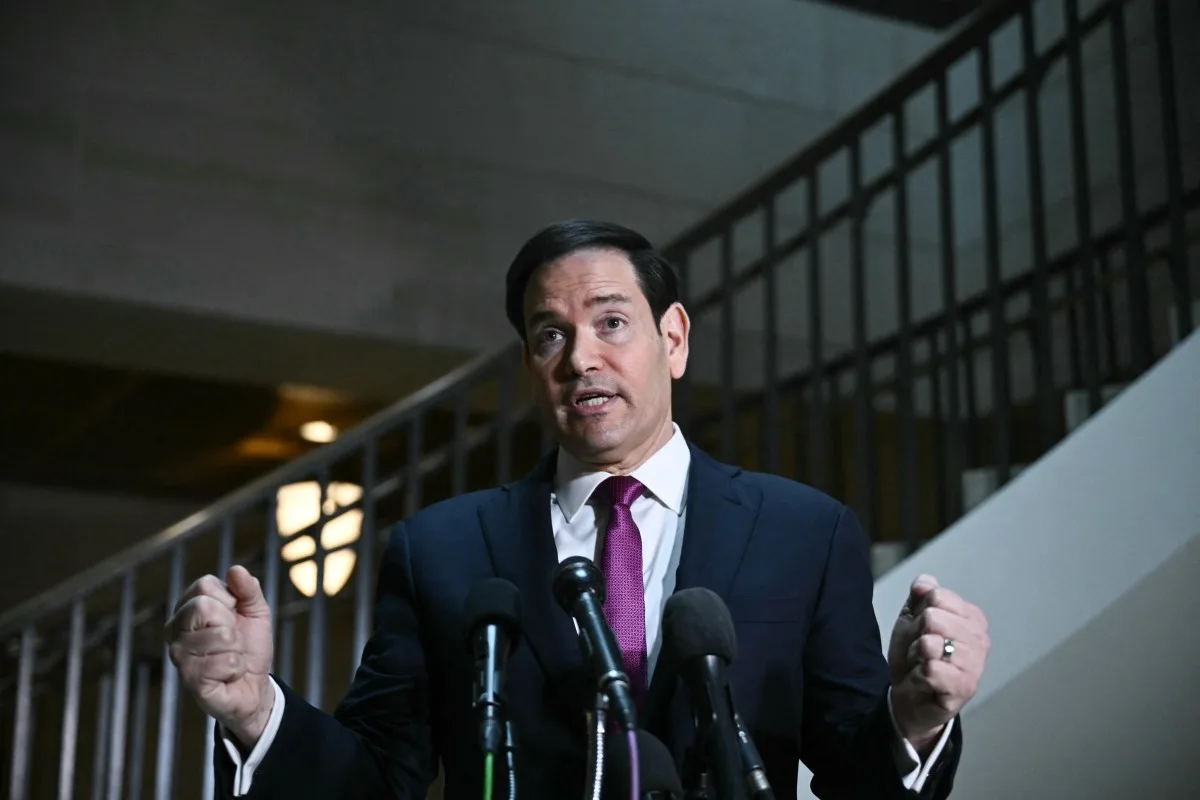
The United States government will apply sanctions against five Cuban companies. The new round involves the companies Almacenes Universales, Rafin, Banco Financiero Internacional, Geominera and Empresa Siderúrgica José Martí, which were included this Tuesday (23) on the sanctions list. The information is contained in a statement released by the US Secretary of State, Marco Rubio.
Almacenes Universales, Rafin and Banco Financiero Internacional are part of the Gaesa business group, which is already subject to US sanctions. Meanwhile, the squeeze on Geominera and Siderúrgica José Martí aims to affect Cuba’s industrial and mining sector.
The US also confirmed that it will impose individual sanctions on Annalie Lilliam Rueda Carder, wife of Alejandro Castro Espín, son of former president Raúl Castro.
Cuba reacted. “The United States government, led by its dishonest and lying Secretary of State, continues to adopt measures to tighten the siege on Cuba’s economy […)]. What does this individual [Marco Rubio] promotes from the greatest power in the world is a crime”, accused Cuban Foreign Minister, Bruno Rodríguez, in a post on X.
In recent weeks, Washington has been applying sanctions to Cuban companies and individuals. One of the targets is the president of Cuba, Miguel Díaz-Canel, as well as members of the Castro family.
US court allows ExxonMobil to charge Cuba
The siege on Cuba also intensified with the decision taken today by the US Supreme Court, which authorized the oil company ExxonMobil to sue two companies on the island for expropriation of assets as a result of the Cuban Revolution.
The US Supreme Court cited the Law Helms-Burtonfrom 1996, which authorizes individuals and organizations in the country to seek compensation for assets nationalized in Cuba. In the case under discussion, the assets belonged to Standard Oil, predecessor of ExxonMobil, which, before the Revolution, dominated part of the fuel sector in Cuba.
The United States considers, however, that nationalization would have caused losses of around US$70 million, even at the end of the 1960s. In corrected values, the figure would exceed US$1 billion.
Within the US Supreme Court, six conservative judges voted in favor of the possibility of charging, while three other members voted against. Now, ExxonMobil’s process returns to the first instance, allowing the company to make the charge possible.
Source: www.brasildefato.com.br