Published 02/27/2026 18:35 | Edited 02/27/2026 19:01
Central Asia faces a critical military escalation after Pakistan declared “open war” on the Taliban government of Afghanistan this Friday (27). The announcement, made by Defense Minister Khawaja Muhammad Asif, breaks the ceasefire brokered by Qatar and Türkiye. Islamabad justifies its aggressiveness by accusing Kabul of protecting militias that maintain alliances with India, which led to a series of coordinated attacks against 22 strategic targets in Afghan territory.
Pakistan and India maintain tension fueled by a historic dispute over sovereignty over the territory of Kashmir and by mutual accusations of “sponsorship of terrorism”, which leaves the two countries in a state of permanent nuclear rivalry since the Partition of 1947.
Military offensive and reported casualties
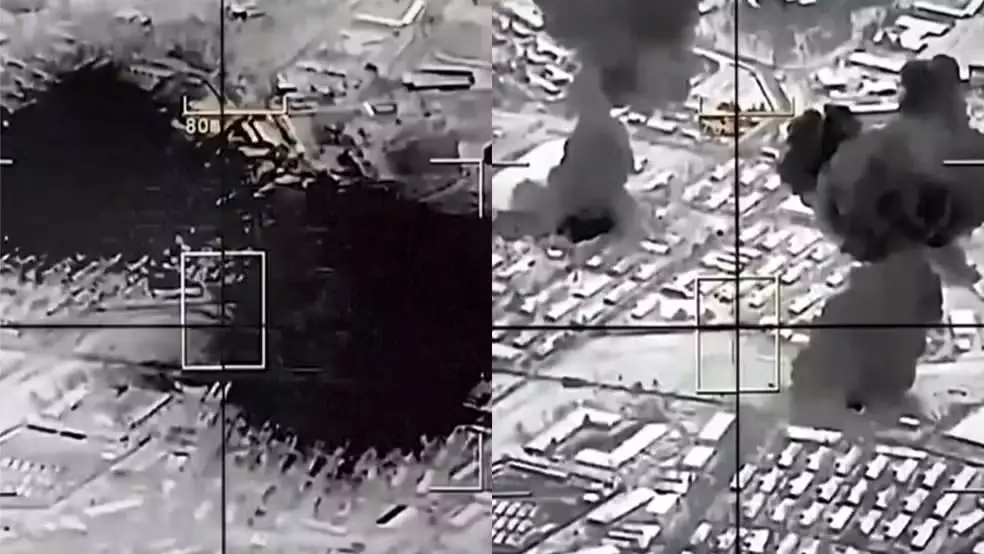
During the night, bombings hit the provinces of Kabul, Kandahar and Paktia. The Pakistani army claims to have eliminated 274 fighters and destroyed 83 outposts. In retaliation, the Taliban used drones against bases on Pakistani soil, including the cities of Islamabad and Abbottabad. Although the Afghan government claims significant enemy casualties, Pakistan has officially confirmed the death of 12 soldiers and the disappearance of a soldier in recent clashes.
Civil impact and international monitoring
The absence of independent verifiers generates divergences in the casualty figures, with the Taliban reporting civilian deaths similar to those that occurred in early February. While the government in Kabul signals openness to dialogue to contain instability, powers such as China and Russia call for immediate restraint. The fear is that the conflict will harm trade routes and the cohesion of BRICS, although the lack of formal diplomatic statements suggests that “open war” may initially be a strategy of rhetorical pressure.
Source: vermelho.org.br