Published 03/10/2026 12:21 | Edited 03/10/2026 16:07
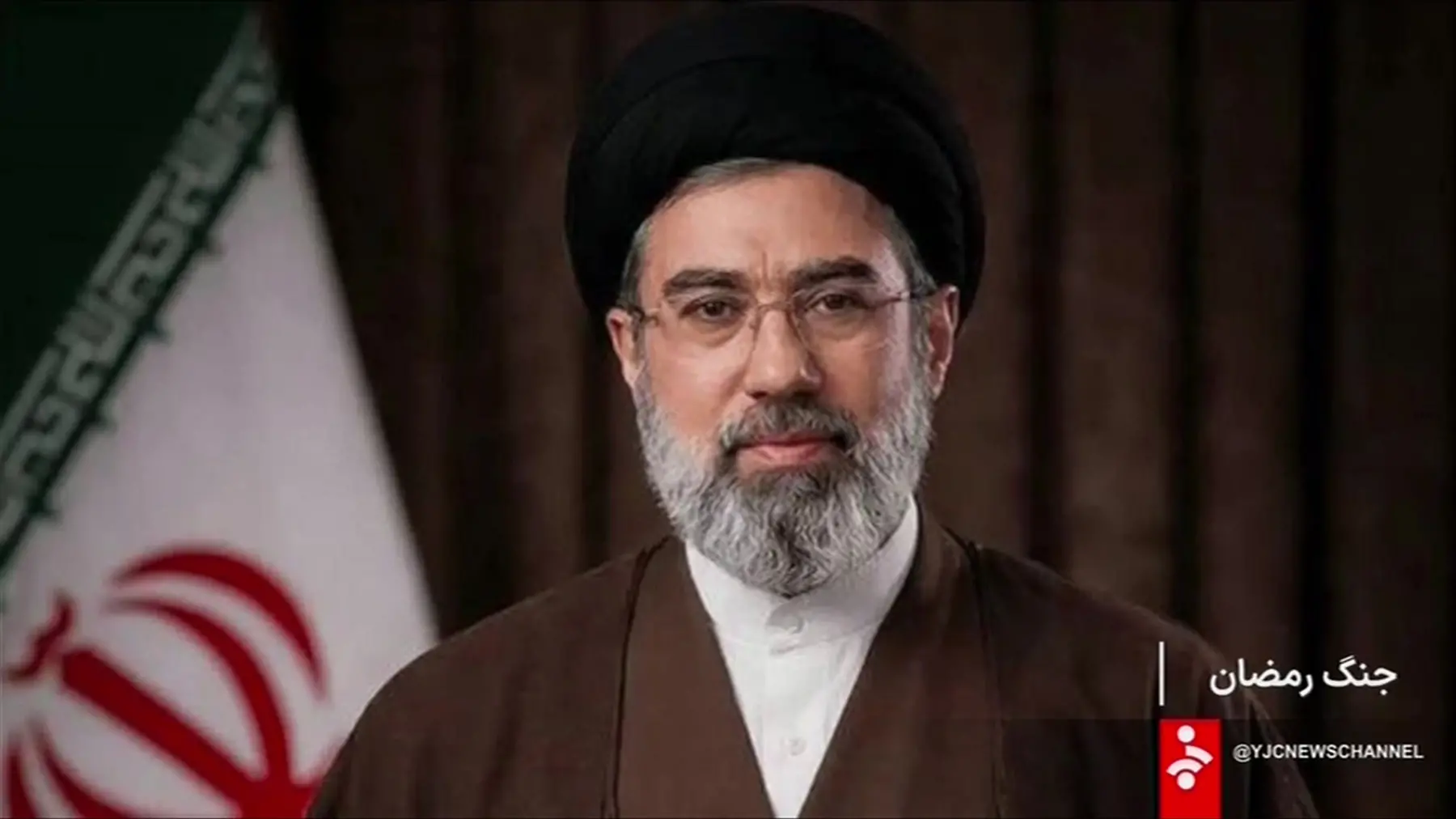
The election of Ayatullah Seyyed Mojtaba Hosseini Khamenei as the new Supreme Leader of the Islamic Republic of Iran represents much more than an institutional succession.
In the midst of an open war and the martyrdom of historic leader Ali Khamenei, the Assembly of Experts’ decision is widely interpreted as a direct political response to the destabilization attempts led by the US and “Israel”.
The announcement came after an extraordinary session held under dramatic circumstances. Despite bombings and threats against the Assembly’s own facilities, its members acted quickly to choose a new leader.
The speed of the decision was not just an administrative procedure. It was a powerful sign that institutions born of the Islamic Revolution remain resilient even under the pressures of war.
By nominating Mojtaba Khamenei as the third Supreme Leader of the Islamic Republic, after deliberations and a majority vote, religious representatives reaffirmed the continuity of a political project based on the independence, national dignity and sovereignty of Iran.
The transition comes at an extraordinarily sensitive time. The martyrdom of Ayatullah Ali Khamenei triggered a broad popular mobilization across the country. Millions of Iranians took to the streets in several cities across the country to pay tribute to the leader who, for decades, symbolized the country’s resistance to Western pressure and foreign interventions.
In this context, the choice of Mojtaba Khamenei also has a profound political and moral symbolic meaning.
For Iranians, the rise of the son of the martyred leader represents the continuity of the Revolution itself. However, his choice cannot be understood solely as a matter of lineage. Mojtaba Khamenei has for years been embedded in the political and religious structures that shape the Islamic Republic.
At 56, he is far from an unknown figure within the Iranian power structure. For years he played an influential behind-the-scenes role in the Supreme Leader’s office, overseeing sensitive issues related to state security and public finances, while maintaining close relationships with the main institutions responsible for the country’s defense.
Prominent among these institutions are the Islamic Revolutionary Guard Corps (IRGC) and the Basij people’s militia, both central pillars of Iran’s national defense architecture. His proximity to these organizations contributed to consolidating his reputation as a key figure within the country’s strategic security structure.
For this reason, his appointment was quickly recognized with loyalty by important military institutions, a development that many analysts interpret as a sign of internal cohesion rather than uncertainty.
In fact, the succession produced the opposite of what many Western observers had predicted. For years, they speculated that the death of the Revolution’s historic leader could usher in a period of institutional instability. Some even predicted that internal divisions could emerge and weaken the Iranian political system.
This scenario did not materialize. On the contrary, the transition was quick, organized and conducted through the constitutional mechanism provided for exactly this type of situation.
The timing of this transition is also significant in the broader geopolitical context. The region is currently going through one of the most volatile periods in recent decades. The United States and “Israel” appear to have assumed that prolonged military pressure could weaken Iran’s ability to respond.
However, events on the ground indicate a different reality.
Iran’s military infrastructure remains intact, its response capabilities remain active, and the country’s leadership demonstrates its willingness to engage in confrontation for as long as it deems necessary. In this context, the election of Mojtaba Khamenei could mark the beginning of a new strategic phase for the Islamic Republic.
Its close ties to defense institutions suggest that Iran tends to maintain a firm stance in the face of external pressure. At the same time, its religious and political formation within the revolutionary tradition points to the continuity of the ideological principles that have guided the country since 1979.
In Iran’s political culture, martyrdom does not represent defeat, but renewal. It transforms collective mourning into political mobilization and reinforces the commitment to national sovereignty. The rise of Mojtaba Khamenei reflects precisely this dynamic.
Son of a martyred leader, formed within the intellectual and institutional tradition of the Revolution, he assumes leadership at a time when Iran faces one of the greatest challenges in its contemporary history.
It is likely that Iran’s adversaries will continue to attempt to destabilize the country, possibly including through further political assassination attempts. In this context, the protection of the new leader and the preservation of national unity become central priorities for Iranian society.
What is already clear, however, is that the attempt to weaken the Islamic Republic has had exactly the opposite effect.
To the martyrdom of its leader, Iran responded with continuity.
To the war imposed on him, he responded with resilience. And to expectations of internal collapse he responded with a new leadership forged in the heart of the Revolution itself.
Source: vermelho.org.br