Published 02/13/2026 08:55 | Edited 02/13/2026 09:12
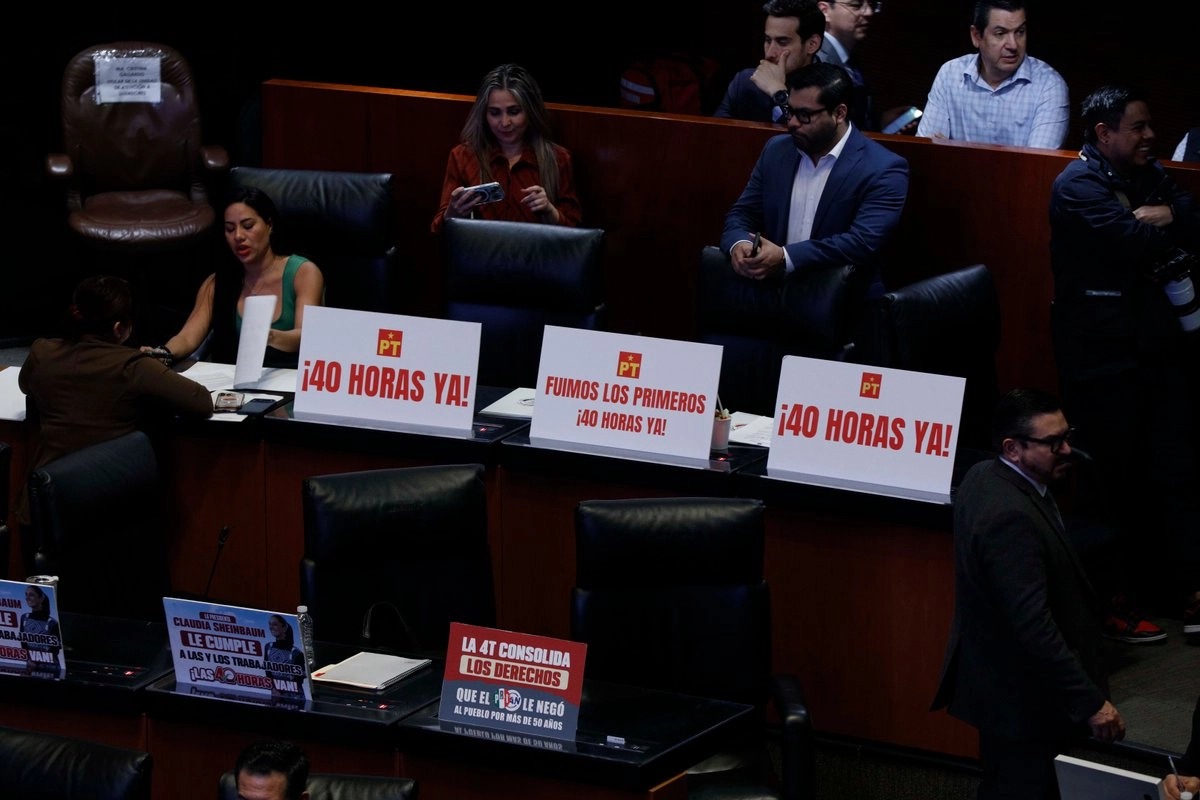
The Senate of Mexico unanimously approved the constitutional reform that reduces the weekly working day from 48 to 40 hours. The proposal received 121 votes in favor and none against, consolidating a historic change in the country’s labor regime.
The measure amends article 123 of the Constitution and establishes the gradual implementation of the new working hours between 2027 and 2030. The reduction will be two hours per year until reaching 40 hours per week, without this implying a reduction in wages or benefits.
If confirmed by the Chamber of Deputies, the reform will benefit around 13.5 million formal workers and will represent the first structural change to the Mexican constitutional journey since 1917.
According to the approved text, the year 2026 will act as an adaptation period for companies and workers.
From January 2027, the maximum working hours will increase to 46 hours per week. In 2028 it will be reduced to 44 hours, in 2029 to 42 hours and, in 2030, the 40-hour limit will come into force.
The reform also determines that a reduction in working hours cannot result in a cut in salaries, wages or benefits. The project also includes a ban on overtime for minors and grants a period of 90 days, after enactment, for Congress to adapt the Federal Labor Law to the new constitutional rules.
During the debate, parliamentarians from the Claudia Sheinbaum government base classified the proposal as an advance within the framework of the so-called constitutional welfare state.
When presenting the opinion, Senator Enrique Inzunza stated that the initiative “is neither isolated nor cyclical; it is deeply coherent with the spirit of the transformation stage that the nation is experiencing and with the consolidation of the constitutional welfare state that we have undertaken”.
The president of the Constitutional Points Commission, Óscar Cantón Zetina, defined the change as “a historic reform” and maintained that the objective is to consolidate a permanent right for workers in the Constitution.
According to him, “we want it to be a right protected in the Constitution that does not depend on anyone’s will.”
Mexico is among the countries with the highest annual workload within the Organization for Economic Cooperation and Development (OECD). According to data cited in the parliamentary debate, Mexican workers work, on average, 2,100 hours per year, above the bloc’s average. Around 27% of employed people work more than 48 hours a week.
The proposal was presented by president Claudia Sheinbaum in December, after rounds of dialogue with union and business representatives. The project resumes discussions started under the previous government and advances in a regional context marked by disputes over labor rights.
With unanimous approval in the Senate, the initiative now goes to the Chamber of Deputies, the last stage of the legislative process before promulgation.
Source: vermelho.org.br