Published 02/26/2026 11:03 | Edited 02/26/2026 13:40
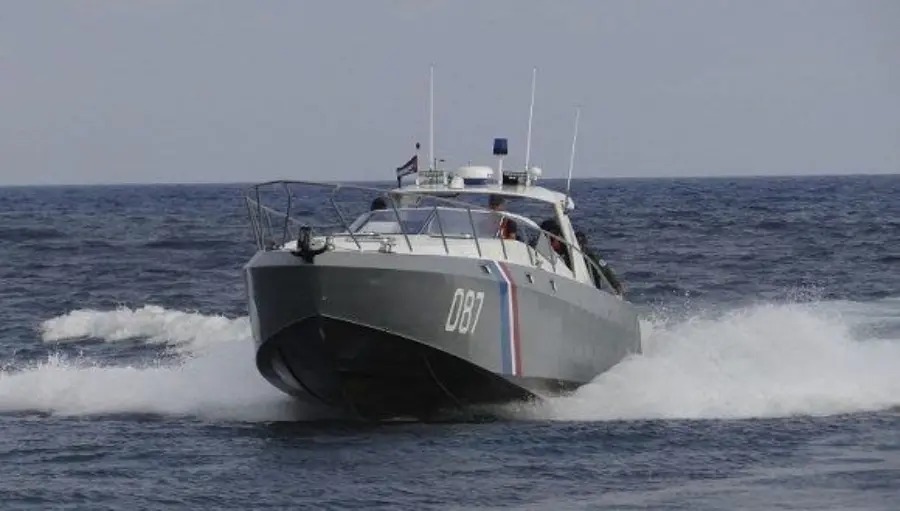
The Cuban government denounced this Wednesday (25) an armed incursion on its coast after a speedboat with United States registration opened fire on a unit of the Border Guard Troops of the Ministry of the Interior, in the north of the province of Villa Clara.
According to Cuban authorities, the confrontation left four dead and six injured among the vessel’s occupants, in addition to an injured Cuban soldier.
According to Havana, the boat was sailing illegally when it was intercepted approximately one nautical mile from the El Pino channel, in Cayo Falcones, municipality of Corralillo. During the approach for identification, the vessel’s occupants fired at the Cuban agents, beginning the exchange of fire.
In an official statement, the Ministry of the Interior classified the episode as an attempted armed infiltration for terrorist purposes.
“It was found that the neutralized boat, with Florida registration FL7726SH, was transporting 10 armed individuals who, according to preliminary statements from the detainees, intended to carry out an infiltration for terrorist purposes,” the ministry said.
According to the Cuban government, all those involved are Cubans residing in the United States, most with a history of criminal and violent activities.
Authorities also state that part of the group was already the target of investigations for involvement in the promotion, planning, organization, financing or execution of actions classified as terrorist in Cuba or other countries.
In addition to the boat’s occupants, a Cuban citizen was detained on national soil, accused of having been sent from the United States to guarantee the reception of armed infiltration. According to the Ministry of the Interior, he confessed to his participation in the plan.
During the operation, assault rifles, pistols, improvised explosive devices, such as Molotov cocktails, as well as bulletproof vests, telescopic sights and camouflage uniforms, were seized.
US reaction and climate of tension
The United States Secretary of State, Marco Rubio, denied any involvement of the US government in the action and stated that Washington is still investigating the circumstances of what happened, including the nationality of those killed and injured.
According to him, the US embassy in Havana is following the case and will conduct its own fact-checking.
Florida authorities also reacted to the episode. The state’s attorney general, James Uthmeier, announced the opening of an investigation and declared that he did not trust the version presented by the Cuban government. Republican parliamentarians called for a federal investigation and are putting pressure on the State Department and the Armed Forces to take a stand.
Blockade, economic pressure and history of aggression
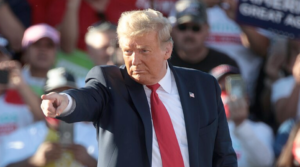
The incident occurs in a context of worsening tensions between Washington and Havana. Since Donald Trump’s return to the presidency of the United States, the White House has intensified the economic blockade against Cuba, with a direct impact on the supply of oil, energy generation and the operation of basic services on the island.
The crisis deepened after the capture of Venezuelan President Nicolás Maduro by US forces in January, which interrupted the shipment of Venezuelan oil — Cuba’s main external source of fuel.
As a result, the country faces prolonged blackouts, difficulties in public transport and shortages of essential goods.
Cuba has been denouncing for decades that hostile actions originate from North American territory, especially Florida, where groups of exiles historically linked to attempts to sabotage and destabilize the revolutionary government are concentrated.
This week’s episode rekindles this history and reinforces Havana’s complaints about the use of economic, political and now armed pressure as instruments of intervention.
In a statement, the Ministry of the Interior stated that the country will continue to defend its territory. “Faced with current challenges, Cuba ratifies its willingness to protect its waters, based on the fact that national defense is a fundamental pillar for protecting the sovereignty and stability of the region,” declared the organization.
Source: vermelho.org.br