The Cuban government published this Wednesday (3) a set of decree-laws that modify the island’s business system — giving greater space to the private sector — and establish changes in areas such as foreign investment, foreign trade, tourism and land management.
The new norms are part of the economic transformations promoted by the Cuban government — the 176 measures presented last June — which represent the biggest change in the country’s economic model since the declaration of the socialist character of the Revolution. Through these measures, the aim is to reconfigure the Cuban economic and social architecture, giving a central role to the market and private capital.
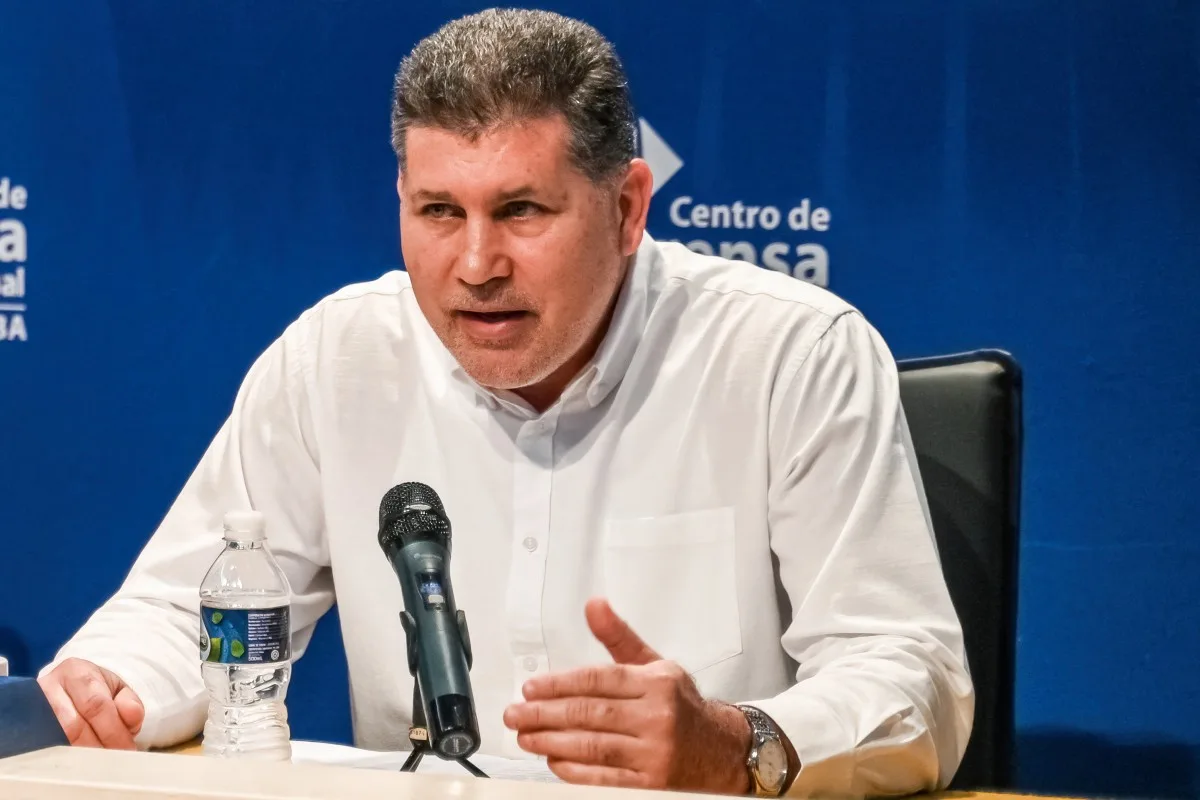
Speaking to the press, the deputy prime minister and head of Foreign Trade, Óscar Pérez-Oliva Fraga, stated that the new rules seek to “make mechanisms more flexible, eliminate administrative authorizations that were previously required and facilitate the operation of business in Cuba”.
Among the main changes, the obligation for foreign companies and investors to hire their workers exclusively through state employers is eliminated.
“Employers are maintained; the investor decides whether to hire their workers directly or whether to use the employer’s service for partial or total hiring,” explained Pérez-Oliva Fraga.
Furthermore, the new regulations allow companies to pay bonuses in foreign currency to their workers.
Land rights
Among the most important changes, the legislative package expands land rights in terms of usufruct and surface rights.
In the case of legal entities, the maximum period for receiving usufruct rights over state lands and assets increases from 25 to 99 years, with the possibility of requesting an extension for a period of equal duration. Furthermore, it facilitates the granting of usufruct rights to the private and foreign sector.
“This has a direct relationship with foreign investment, as it makes it possible to grant real rights for longer periods than those established until the promulgation of these norms, which is in accordance with a long-term vision of foreign investment for those cases that are considered in this way”, explained Pérez-Oliva Fraga.
Likewise, citizens residing abroad no longer automatically lose their hereditary or property rights due to the old figure of “permanent abandonment of the country”, allowing them to inherit or participate in productive projects.
State and private companies
Along with these changes, the Official Gazette published a series of decree-laws on the functioning of the socialist state enterprise and the private sector.
The new rules eliminate the limit of 100 workers per company for micro, small and medium-sized private companies and the prohibition on the same person owning more than one of these companies.
Furthermore, the measures put an end to the state monopoly on foreign trade in Cuba. From now on, private companies will be able to carry out direct import and export operations without having to resort to the services of state-owned companies.
In the state sector, the operational autonomy of companies increases, with greater administrative decision-making capacity. Entities will be able to select their suppliers and customers with greater autonomy, as well as establish prices according to the market, instead of applying centralized tariffs. Furthermore, the new model eliminates automatic financial bailouts by the State and provides for the bankruptcy and liquidation of insolvent state-owned companies.
The new provisions also incorporate worker participation in management. Twenty percent of the members of the boards of directors will be elected by the workers’ collectives, while the workers’ assemblies must approve the economic plans, salary levels and the allocation of retained profits.
Speaking to the press, Roberto Ricardo Marrero, president of the National Institute of State Business Assets, classified the presentation of the new standards as “a historic day for the Cuban business system” and highlighted that the drafting process was carried out in “record time” through a temporary working group.
Source: www.brasildefato.com.br