Published 03/16/2026 14:35 | Edited 03/16/2026 17:35
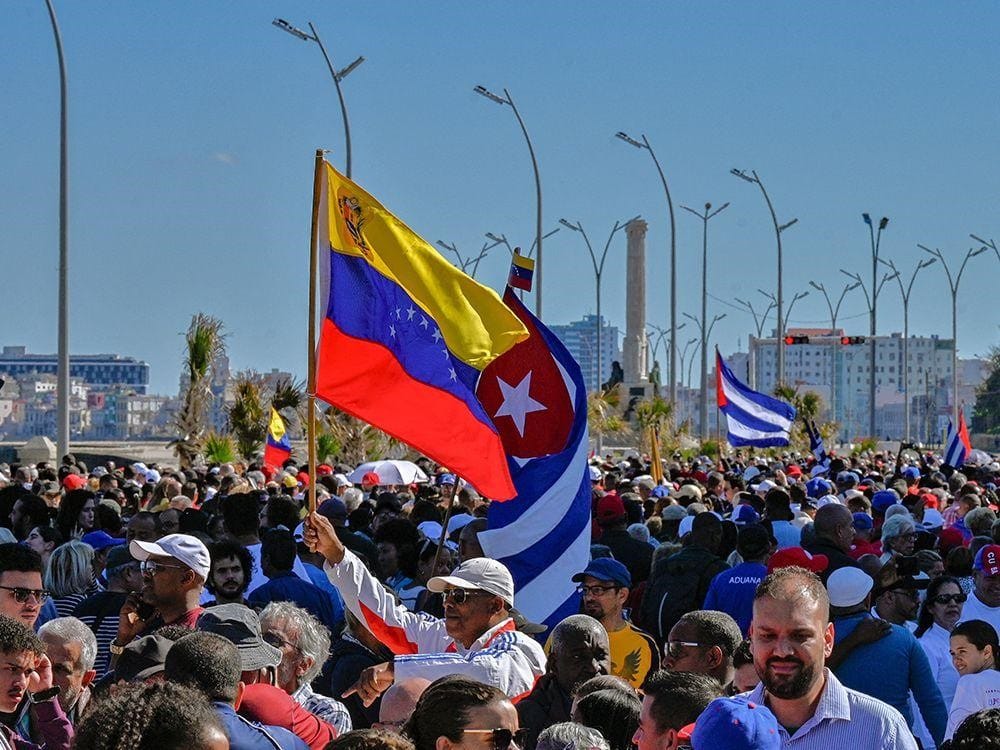
A new international day of solidarity with Cuba mobilizes political organizations, social movements and popular entities from various continents. The trip culminates in the International Solidarity Conference with Cuba, scheduled for March 19th to 21st, on the Malecón, with the arrival of Flotilla Nuestra América, to debate the crisis facing the island and organize concrete actions to support the Cuban people.
In an interview with Red Portalpolitical scientist Ana Prestes, Secretary of International Relations at PCdoB, detailed the objectives of the mission and warned of the gravity of the moment: “The most serious blockade that has ever occurred by the United States against Cuba is underway. It is an emergency priority, the priority of priorities.” According to her, the conference brings together different networks in the international progressive field.
“This initiative began with the Progressive International, but today it involves several platforms and organizations. The São Paulo Forum also participates, as well as civil society movements from Latin America, Europe and the United States itself, which challenge the Trump administration”, he explains. Ana Prestes will be part of the Brazilian PCdoB delegation, accompanied by Amanda Harumy, researcher at Prolam-USP (Postgraduate Program in Latin American Integration).
Donations and concrete support to the Cuban population
The international meeting will be marked by the delivery of donations collected by solidarity campaigns in several countries. Among the main items are medicines, basic foods and hygiene products.
“The objective is to deliver everything that has already been collected, learn more about the situation in Cuba, what they need most, and discuss forms of solidarity”, explained Ana Prestes. The conference will bring together communist and progressive parties, popular organizations, unions and student entities in a political gesture of resistance to imperialism.
According to Ana Prestes, the objective is to respond to the immediate needs of the Cuban population in the face of worsening economic difficulties.
“We are taking food such as powdered milk, basic hygiene products, medicines and also equipment to help generate energy”, he reports.
One of the most important items are solar panels, sent to help face the energy crisis caused by fuel shortages.
The Nuestra América flotilla
One of the most powerful symbols of the mobilization is the Flotilla Nuestra América, a global humanitarian aid convoy led by Brazilian Thiago Ávila, which will arrive in Havana on March 21st. “Some vessels will head there to Havana, precisely to show this hole in the blockade”, highlighted Ana.
The flotilla departs from Mexico, from the Yucatán region, and seeks to physically break the siege imposed by Washington, demonstrating that Cuba is not isolated. “Cuba has always been in solidarity with the world,” said Ana, citing the internationalist tradition of the Cuban Revolution, which brings doctors, vaccines and technical cooperation to dozens of countries even under the most severe restrictions.
“The idea is also to symbolically break the blockade. Some vessels will leave towards Havana precisely to show that this siege is not accepted by the people”, says Ana Prestes.
Mobilization in Brazil
In Brazil, the solidarity campaign involves several popular organizations. Entities such as the National Union of Students (UNE), the Central dos Trabalhadores do Brasil (CTB), social movements and progressive parties participate in the mobilization.
In addition to collecting medicines and food, one of the campaign’s priorities is raising funds to purchase photovoltaic panels.
According to the organizers, this equipment can already account for around 20% of the generation needed in some areas of the island.
What Cuba needs most: from food to solar panels
Fundraising campaigns in Brazil prioritize essential items to face the humanitarian crisis worsened by the blockade. Among the most requested products are:
- Basic foods: powdered milk, basic necessities;
- Personal hygiene: pads, soaps, cleaning products;
- Medicines: analgesics and continuous use medicines;
- Renewable energy: photovoltaic panels, which already represent almost 20% of the daily energy generation needed on the island.
“The collection of photovoltaic panels has been fundamental in alleviating the serious energy crisis and constant blackouts”, highlighted Ana Prestes. Organizations such as UNE, CTB and solidarity committees provide bank accounts and collection points to facilitate the contribution of Brazilian society.
Blockade as economic war: strategic issue for Latin America
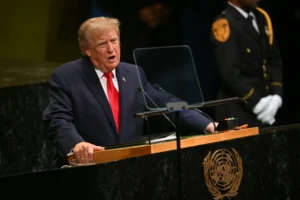
Ana Prestes classified Donald Trump’s tightening of the embargo — with measures that authorize the confiscation of ships carrying oil to Cuba — as part of a regional siege strategy. “The tighter grip on Cuba is part of the State Department’s focus on Latin America and the Caribbean,” he analyzed, also citing pressure on Venezuela and military agreements with neighboring countries.
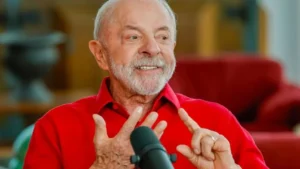
For her, the fight against the blockade of Cuba is strategic for Brazil: “As a political power and oil exporter, we have the capacity to show solidarity with Cuba in a strategic way.” Coordination with the Lula government to send fuel to the island is one of the campaign’s priority fronts.
Pressure on governments: Brazil can and should send oil
The campaign also aims to pressure progressive governments in the region to send fuel to Cuba. “It’s a way of pressuring governments to send fuel to Cuba,” said Ana, highlighting that the oil shortage has been going on for months and is harming transportation, health and food production.
In Brazil, coordination involves strengthening the Brazil-Cuba Parliamentary Group and holding hearings with sectors of the federal government.
Against the blockade
The international mobilization occurs amid the tightening of the embargo imposed by the United States on Cuba — a policy that has lasted more than six decades and was intensified again by the Donald Trump government.
Recent measures include actions to restrict oil supplies to the Caribbean country, worsening blackouts and difficulties in transport and the economy.
Given this scenario, Ana Prestes highlights that international solidarity becomes even more necessary.
“The conference seeks precisely to discuss this emergency situation and organize concrete forms of support for the Cuban people”, he states.
Cuba is not alone
At the end of the interview, Ana Prestes summarized the spirit of the mission: “Every attack on Cuba is an attack on the most just causes of humanity”. The Brazilian delegation’s trip to Havana is not just a gesture of solidarity — it is a political act of resistance to imperialism and affirmation of the sovereignty of the peoples of the Global South.
While the US blockade tries to strangle the island, the organized response from international civil society proves that Cuba is not alone. And that solidarity, when concrete action is taken, is also a weapon of liberation.
Fidel’s centenary fight calendar
Solidarity with Cuba will unfold throughout 2026. Check out the main dates:
- March 18: Activity in the Legislative Assembly of São Paulo;
- March 21: Launch of the National Medicine Collection Campaign and arrival of Flotilla Nuestra América in Havana;
- March 26th to 29th: International Anti-Fascist Conference, in Porto Alegre;
- April 15: March of trade unions in Brasília, with articulation of the trade union movement for solidarity with Cuba;
- May 1st: Internationalist brigade members will participate in the Workers’ Day celebrations in Cuba, delivering collected medicines;
- July 26th: National Cuban Rebellion Day, with political and cultural activities in Brazil;
- August 13: Celebration of Fidel Castro’s centenary, with initiatives across the country.
Source: vermelho.org.br