Published 03/10/2026 10:39 | Edited 03/10/2026 17:39
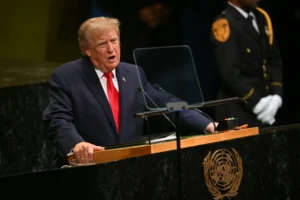
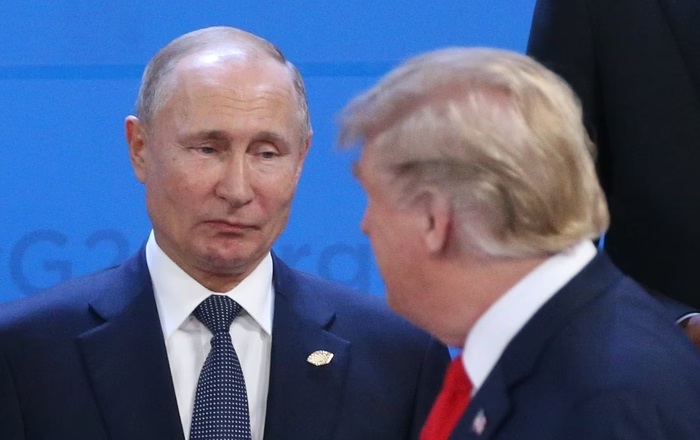
The presidents of Russia, Vladimir Putin, and the United States, Donald Trump, spoke by telephone on Monday night (9) about the war in Iran and possible ways to contain military escalation in the Middle East.
According to the Kremlin, Putin presented the American leader with Russian proposals to face the crisis and opened space for future negotiations.
The conversation lasted about an hour and was initiated by Trump. According to Russian presidential advisor Yuri Ushakov, the two leaders discussed the situation in the Middle East, the conflict in Ukraine and also issues linked to the global oil market.
Kremlin spokesman Dmitry Peskov stated that Moscow brought proposals related to the crisis involving Iran to the conversation. “These proposals were conveyed by the president [Putin] to your interlocutor”, he declared. According to him, the content of the initiatives will not be detailed at this time.
“We will see how the coordination process goes forward,” he said.
The Russian position has been a direct condemnation of the military offensive against Iran. Since the beginning of the bombings carried out by the United States and Israel, Moscow’s diplomats have classified the attacks as a dangerous escalation and called for an end to hostilities.
In this scenario, analysts close to the foreign policy debate in Moscow estimate that the country may try to play a diplomatic role in the negotiations. Political scientist Konstantin Blokhin, a researcher at the Center for Security Studies of the Russian Academy of Sciences, states that Russia maintains dialogue channels with both Washington and Tehran.
“We can be the moderators of this negotiation process”, he told Sputnik.
The call between Putin and Trump occurred amid the military escalation that began on February 28, when the United States and Israel began a war of aggression against Iran. The attacks caused civilian casualties and were followed by Iranian retaliatory actions against Israeli territory and against American military bases in the Middle East.
The conflict also increased instability in the global energy market. The war caused a sharp rise in oil prices, driven by fears of interruptions in fuel transport through the Strait of Hormuz, a strategic route through which a significant portion of world oil and gas trade passes.
Faced with this scenario, the North American government began discussing measures to expand the global energy supply. Among the possibilities evaluated in Washington is the easing of some sanctions related to Russian oil, a measure that would aim to alleviate pressure on international prices.
The Kremlin stated that the topic was not discussed in detail in the conversation between the two presidents, although both recognize the impact that energy restrictions have on the world economy.
Source: vermelho.org.br