Published 02/25/2026 15:47 | Edited 02/25/2026 16:31
Exactly 50 years ago, on February 24, 1976, Cuba took a decisive step in its revolutionary institutionalization. By proclaiming the first Socialist Constitution of a country in the region — approved in a referendum by 97.7% of the population — the island not only consolidated the irrevocable character of socialism, but created the Local Bodies of Popular Power, a model of participatory democracy that survives half a century of external aggression.
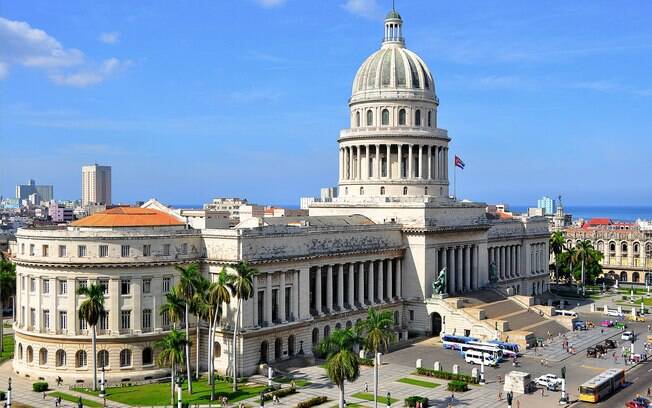
On this historic anniversary, the scenario is one of resistance against imperialism. In a hearing at the National Capitol, in Havana, President Miguel Díaz-Canel was emphatic when projecting the future in the face of new threats emanating from Washington: “We will fight, we will resist, we will transform and, above all adversities and imperial threats, we will grow and triumph!”, stated the Cuban leader, reaffirming that power on the island emanates from the people, and not from market pressures or foreign offices.
Economic “Genocide” and the Trump 2.0 Era
The celebration takes place under the shadow of threats from Donald Trump, who in his second term tightened the siege on Cuba even more. In recent statements, Trump has made no secret of his intentions to bring the Cuban economy to total collapse to force a change of regime. “We will maintain maximum pressure until ‘freedom’ is restored. There will be no relief for a system that opposes our interests in the hemisphere”, explained the Republican when reinforcing the memorandum that prohibits transactions with the Cuban State conglomerate that manages the island’s main businesses, Gaesa, and drastically restricts tourism and family remittances.
The impact is draconian. According to official data from the Cuban government, the blockade generates losses of more than US$15 million per day. With Trump’s new offensive, which began imposing tariffs on countries that supply oil to the island, such as Mexico, Cuba is facing an unprecedented energy crisis, affecting hospitals, schools and food production.
Example of dignity and international solidarity
Despite the attempt at isolation, Cuba is receiving support from around the globe. The G77+China and the UN General Assembly have been the scenes of systematic condemnations of the blockade. Mainly because, in the eyes of the world, the Island remains a model of sovereignty and independence. “Cuba is an example of dignity that imperialism tries to punish so that other peoples do not follow the same path of sovereignty”, highlighted President Miguel Díaz-Canel.
In Brazil, solidarity materializes in political and humanitarian actions. The Cuba solidarity movement, made up of trade unions, left-wing parties and social movements, such as the MST, has intensified the “Cuba Vive e Resiste” campaign.
The Brazilian government, through its diplomatic channels, continues to defend the historic end of the blockade. Interlocutors from Itamaraty reinforce that unilateral sanctions violate International Law and fundamentally harm the civilian population. Cooperation initiatives in biotechnology and food security are on the radar of bilateral relations as a way to mitigate the damage caused by the US siege.
A power that comes from the base
The 1976 Constitution, although updated in 2019 to recognize new forms of property, maintains the Communist Party of Cuba (PCC) as the leading force and the Popular Power system as the base, which Díaz-Canel described as “schools of citizenship.”
The current challenge, recognized by the leadership in Havana, is to make this power “more agile and younger”, combating internal bureaucracy while fighting the “media war” financed by the US. For Cubans, the fiftieth anniversary is not just a date of celebration, but a call for national unity in one of the most challenging moments since the 1962 Missile Crisis.
Source: vermelho.org.br