Published 02/24/2026 13:17 | Edited 02/24/2026 17:41
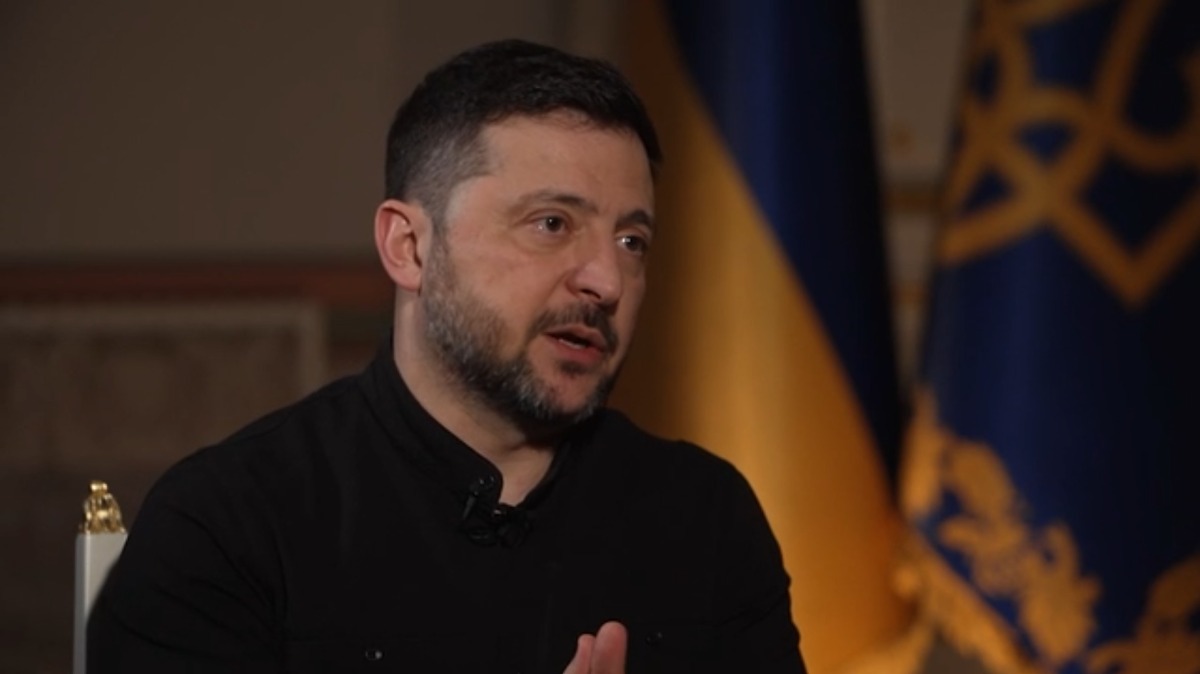
On the eve of the war in Ukraine completing four years, President Volodymyr Zelensky asked Donald Trump that the United States “stand by Ukraine”, he said in an interview with CNN.
The appeal reflects the moment in which Ukraine is facing the accumulation of casualties and damage to energy infrastructure, in a conflict conditioned by the interests of the great European powers and the United States.
In the interview, Zelensky stated that the United States is “too big and important to move away from the conflict” and said he hoped that Trump would publicly reinforce support for Kiev.
When asked whether the American president exerts enough pressure on Vladimir Putin, he replied directly: “No”.
The Ukrainian also declared that “if they really want to stop Putin, America is so strong”, in an attempt to link the fate of the war to the position that Washington decides to adopt.
The statements expose the degree of political and military dependence on Ukraine in the fourth year of the conflict. Although the war continues in the country, central decisions about financing, weapons supply and limits on external involvement continue to be made outside Kiev, especially between European allies and the United States.
In this arrangement, Ukraine ended up concentrating the human and material strain of a prolonged war, while its main sponsors calibrate the level of support, the financial account and the limits of involvement.
Four years later, the conflict continues without a clear prospect of reversal on the battlefield, but also without clear political conditions for a negotiated outcome.
Zelensky, for his part, insists that giving in to Russian demands is not up for discussion. “We can’t just give him everything he wants,” he said, rejecting the withdrawal of troops from eastern areas still under Ukrainian control.
Regarding security guarantees in debate with allies, the Ukrainian demanded a “very specific” answer about what they would do “if Putin returns”. Zelensky’s demand for security guarantees, however, comes up against a lack of coordination between NATO countries themselves.
Four years later, the bloc remains divided over the level of commitment, economic costs and political risks of sustaining the conflict in the long term, which weakens the credibility of promises made to Kiev.
The impasse has been recognized even by political leaders in the West, who believe that the war exposed the limits of the alliance’s strategy more than the Ukrainian resistance capacity. The reading is that, despite the bloc’s economic superiority, the lack of coordinated action transformed the conflict into a European defeat.
Meanwhile, diplomatic talks continue without concrete results. There are negotiations, announcements of new sanctions packages and specific initiatives, but no sign of a ceasefire or political agreement.
The prolongation of the impasse reinforces the assessment that the war is moving less towards a negotiated solution and more towards the consolidation of a political defeat for the West, with Ukraine bearing the human and material cost of the conflict.
Source: vermelho.org.br