Published 02/22/2026 12:20 | Edited 02/22/2026 12:30
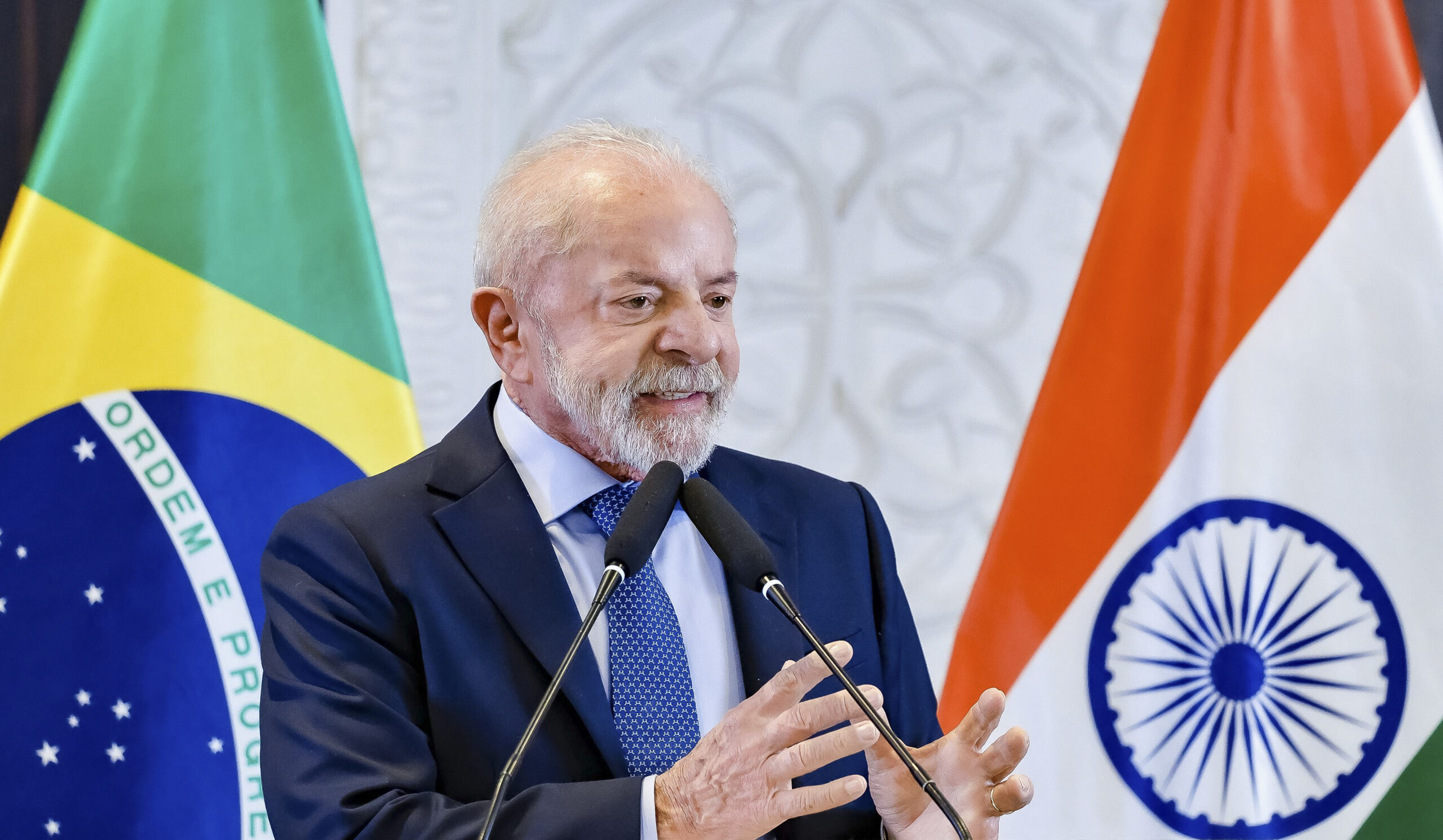
The government of President Luiz Inácio Lula da Silva considers the official trip to India, which ended this Sunday (22), as the most successful in commercial terms of the third term and as “the milestone of a new relationship between Brazil and India”, as stated by the president himself.
Among the main results highlighted are investment announcements, the participation of more than 300 Brazilian businesspeople and the expansion of agreements and commercial promotion initiatives in strategic sectors, such as critical minerals, health, technology, pharmaceutical industry, defense and artificial intelligence.
“No meeting was more dense, with greater results than this one here in India”, stated Jorge Viana, president of ApexBrasil, when taking stock of the business mission.
The assessment takes place after four days of commitments in New Delhi, which brought together a delegation made up of 11 ministers, parliamentarians and representatives of the private sector.
Lula defended raising economic exchange between the two countries to a level higher than that initially discussed with the Indian government.
“O [Narendra] Modi advocated that we reach US$20 billion by then, but I think it’s not enough. Our goal is to reach US$30 billion,” said the president, at a press conference before leaving the country.
According to him, the potential of the two economies and the demands of the so-called new Brazilian industry allow for a more ambitious expansion of trade.
In total, 11 government agreements and 10 instruments between companies were signed, in an agenda that the Palácio do Planalto began to treat as a reference for Brazil’s international repositioning effort after the diplomatic isolation of the previous government.
Among the examples cited is an estimated investment of US$2.5 billion in mining and port infrastructure in Rio Grande do Norte, in addition to a contribution of R$5 billion from the Aditya Birla group to expand aluminum production and recycling in Pindamonhangaba (SP).
Also mentioned were the expansion of investments by the Tata group after the global acquisition of Iveco, a memorandum between Embraer and Adani for industrial cooperation and Vale projects focused on the iron ore chain.
When addressing Indian executives, Lula sought to emphasize institutional predictability and a favorable environment for new contributions. “Investing in Brazil is advantageous”, stated the president.
According to members of the delegation, some of the companies involved already operate in Brazil and have signaled new expansion cycles, while others are evaluating entry into the Brazilian market based on the understandings reached during the trip.
Reading the business environment was treated by the government as a political asset of the mission. Lula stated that he was surprised by the enthusiasm shown by Indian investors towards Brazil, in contrast to the skepticism often observed among the domestic business community.
“I would like many Brazilian businesspeople to see the speech given by Indian businesspeople about Brazil,” said the president, commenting on the tone of the meetings.
According to him, the external perception reflects the recovery of the country’s international credibility and the impact of the policy of rebuilding diplomatic bridges adopted in the current mandate.
In addition to the economic dimension, the trip reinforced political convergence between Brazil and India in multilateral forums. The two countries maintain coordinated action in the BRICS, the G20 and the G4, a group that defends the reform of the UN Security Council.
For Lula, the articulation between emerging economies is also a response to the asymmetries of the international system. “If you allow the small country to negotiate with the larger country, the agreement will always be harmful to the smaller country,” he stated, defending greater coordination between countries in the Global South.
The agenda also included topics linked to technology and the digital economy. Before the start of the State visit, Lula participated in the Artificial Intelligence Impact Summit, where he defended the regulation of large platforms and presented the Brazilian Artificial Intelligence Plan, which foresees R$23 billion in investments by 2028.
Source: vermelho.org.br