Published 01/26/2026 14:06 | Edited 01/26/2026 14:14
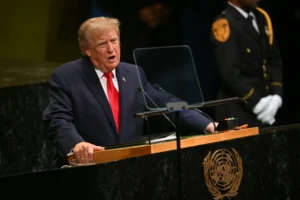
Donald Trump’s attempt to establish the so-called “Peace Council” suffered a significant setback with the refusal of Germany and Italy. The government of Friedrich Merz based the rejection on legal opinions that characterize the organization as a “counter-project” to the UN. For Berlin, the transfer of powers to a body under the exclusive control of Washington, devoid of multilateral safeguards, violates the German constitutional order. The Foreign Ministry reiterated that it will not accept the imbalance in relation to the system established by the United Nations Charter.
In the same vein, Italian Prime Minister Giorgia Meloni — who shares ideological affinities with Trump — barred Italy’s immediate accession. Meloni cited “legal risks” and incompatibilities with the country’s Constitution, highlighting that the degree of influence concentrated in the USA and the lack of alignment with the European Union are insurmountable obstacles for a sovereign State.
A forum of isolated accessions and diplomatic ruptures
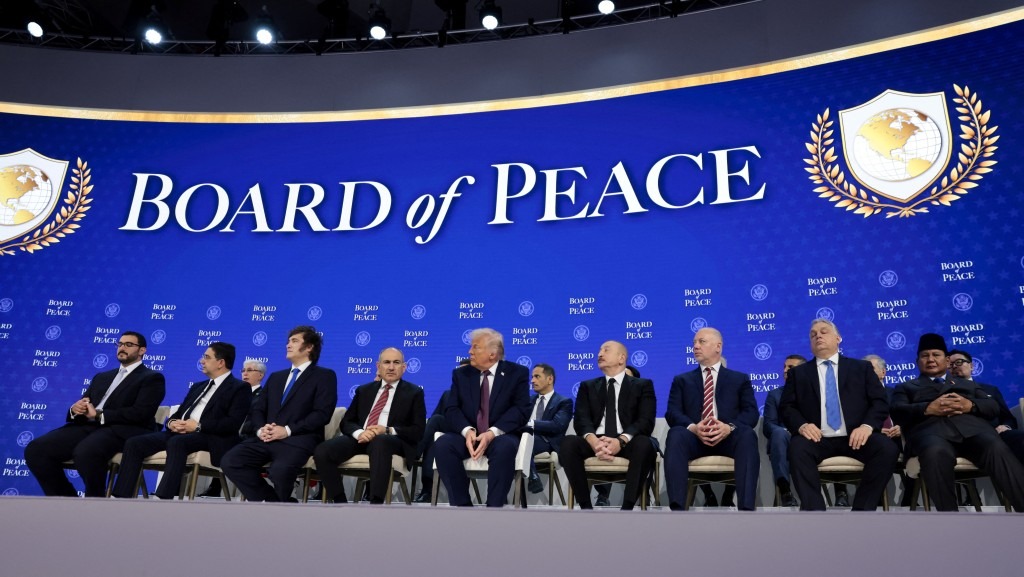
The council, which highlights an attempt at unilateral governance by the United States, has received the support of countries with strong economic alignment with Washington, such as Argentina, Saudi Arabia, Qatar, Egypt, Hungary, Indonesia, Israel, Jordan, Morocco, Pakistan, Paraguay, Turkey, the United Arab Emirates and Uzbekistan. The absence of nations such as France, the United Kingdom and China reinforces the isolation of the proposal. The authoritarian nature of the council’s management was clear in the episode with Canada, in which after Ottawa demonstrated interest, Trump unilaterally revoked the invitation via social media, breaking the diplomatic liturgy and exposing Canadians to public embarrassment. This reinforces criticisms about the forum’s lack of multilateral seriousness.
Read more: Lula supports the global front against Trump’s offensive
Brazil and the Global South articulate resistance in defense of the UN
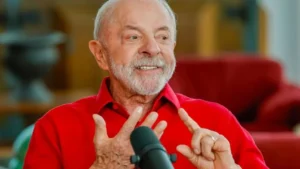
Faced with pressure from Washington, Brazil has led strategic articulation with other nations in the Global South. According to Itamaraty sources, the Brazilian government is in negotiations with the group’s partners to avoid any “one-and-done” membership. The orientation is one of caution and collective resistance, under the understanding that validating a parallel and unequal forum would empty the negotiating power of these countries in the United Nations bodies. For Brazilian diplomacy, strengthening mechanisms that arise in direct confrontation with the UN would compromise the historic banner of multilateralism and the fight for a more democratic global governance that is less centered on the interests of the White House. Last Friday (23), during an MST meeting, President Lula warned that [Trump] “he wants to create a new UN alone, as if he were the UN itself”.
Source: vermelho.org.br