Published 01/26/2026 15:17 | Edited 01/26/2026 15:43
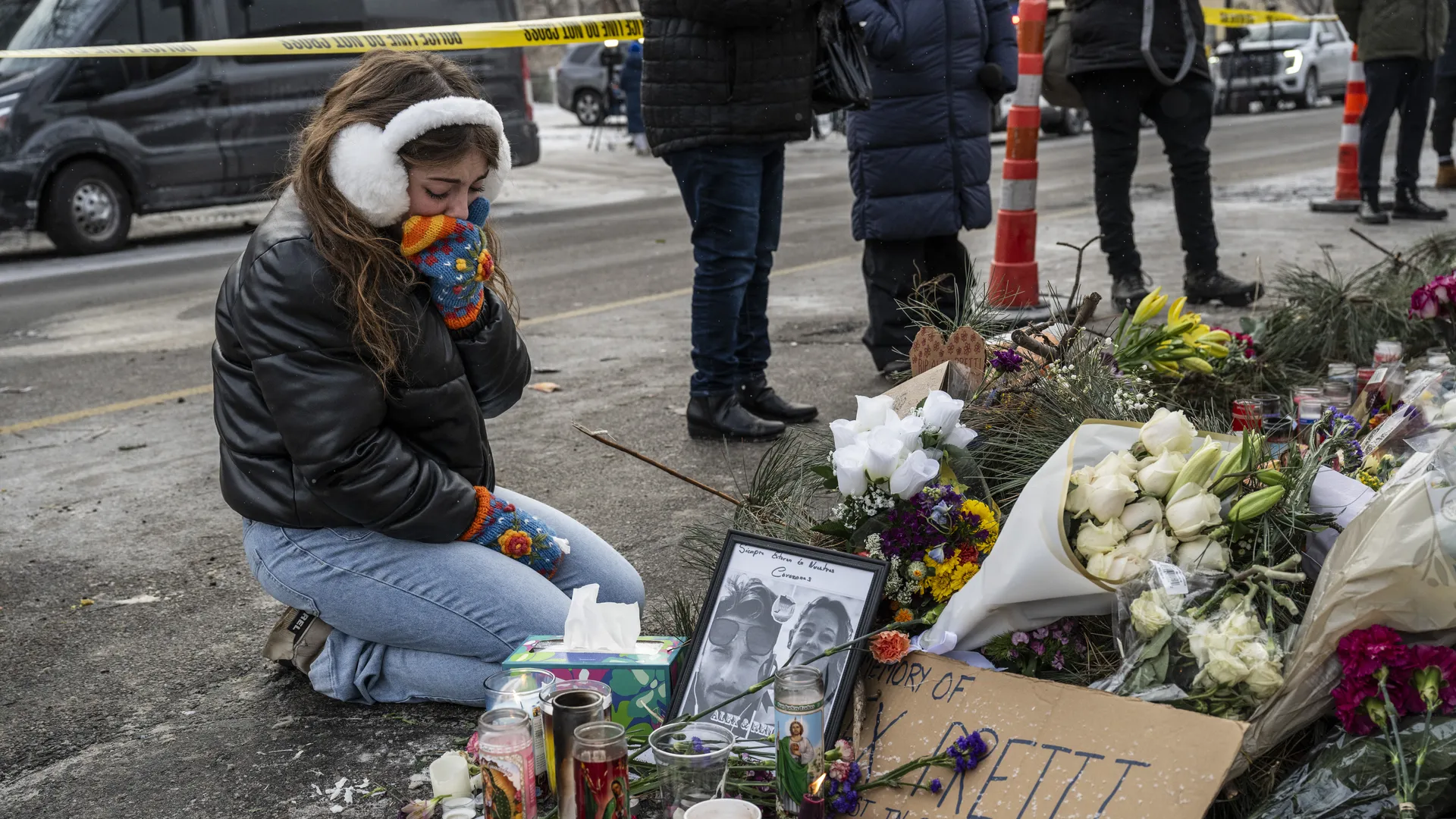
The murder of Alex Pretti, a 37-year-old nurse shot and killed by a US Border Patrol agent during an immigration raid in Minneapolis, quickly became a political catalyst in Washington. The episode, which occurred amid the Donald Trump administration’s hard-line offensive against immigration, triggered reactions that cross party lines and call into question the official White House narrative.
Although the government stated that Pretti posed an armed threat to agents, widely circulated videos show the man holding a phone and being surrounded by agents before the shooting, with no clear images showing that he had drawn the pistol that, according to local police, he was legally carrying. The discrepancy between versions fueled calls for an investigation and increased the political weariness of the case.
Republicans under pressure and calls for investigation
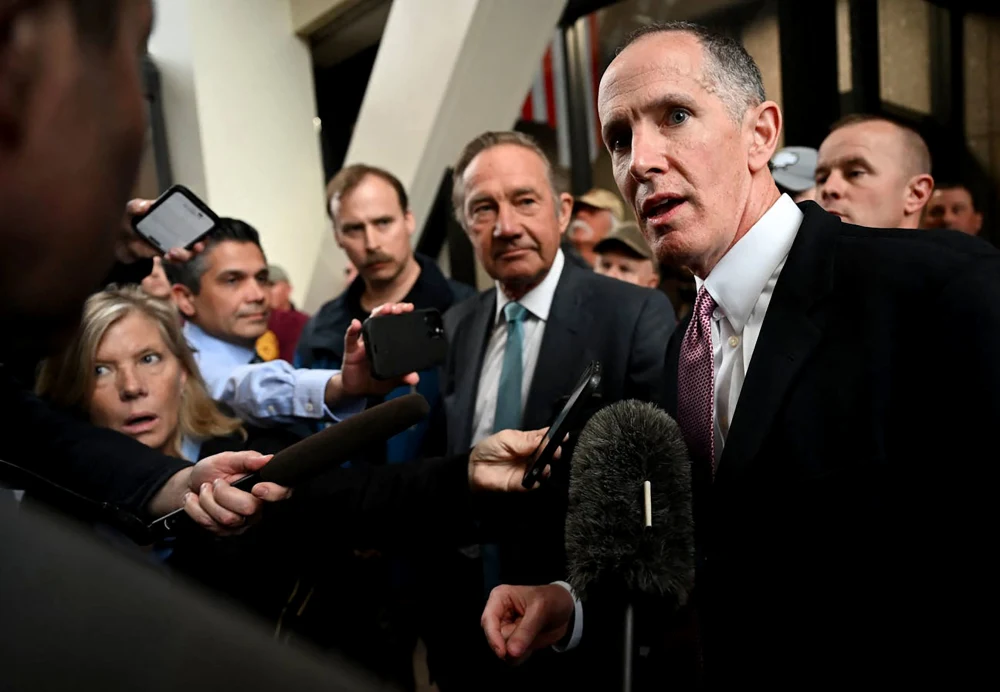
A growing number of Republican lawmakers have come to advocate greater transparency. House Homeland Security Committee Chairman Andrew Garbarino called on leaders from ICE, Customs and Border Protection (CBP), and USCIS to give testimony, highlighting the need to preserve public trust.
Senators including Thom Tillis, Bill Cassidy, Susan Collins and Lisa Murkowski have called for independent or joint investigations between federal and state authorities. Cassidy stated that the “credibility of ICE and the Department of Homeland Security is at stake,” while Murkowski stressed that federal agents “do not have carte blanche” to act. Even historical allies of Trump, such as Senator Pete Ricketts, defended a “transparent and priority” investigation.
The demonstrations reveal a Republican Party divided between loyalty to the president and concern about the political and institutional impact of federal actions, especially in a mid-term pre-election year.
Democrats tighten their speech
On the Democratic side, the reaction was immediate. Party leaders classified the episode as a direct result of what they call the “militarization” of migration policy. Representative Ilhan Omar, representing Minnesota, described the case as an “execution by immigration agents”, while Governor Tim Walz defended that the state takes control of the investigation, citing a lack of trust in the federal government.
In Congress, Democratic senators began to condition any advance in funding for the Department of Homeland Security on profound changes in ICE’s operations. Chuck Schumer has made it clear that the party will not cast the votes needed to approve additional funding without stricter control and accountability mechanisms, increasing the risk of a partial government shutdown.
Weapons, protests and internal contradictions
The case also exposed historical contradictions within the Republican Party. Although the unrestricted defense of the Second Amendment is a central pillar of the party, members of the government publicly questioned the fact that Pretti was armed during a protest — despite carrying it being legal in Minnesota. Pro-gun entities, such as the National Rifle Association (NRA) and local groups, reacted by remembering that carrying a gun legally “is not a death sentence.”
More libertarian Republican parliamentarians, such as Thomas Massie, criticized the government’s rhetoric and argued that the right to bear arms cannot be relativized when it involves citizens who confront federal actions.
Trump’s strategy and the political cost
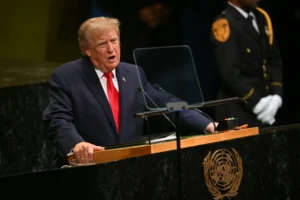
Even in the face of criticism, Trump maintained his confrontational speech. The president accused Minnesota Democratic leaders of “inciting insurrection” and again pressured Congress to ban sanctuary cities. Government members, such as Homeland Security Secretary Kristi Noem and Deputy Chief of Staff Stephen Miller, classified Pretti as a “terrorist” and “aspiring murderer”, further hardening the tone.
Recent polls indicate, however, that the fight against immigration — Trump’s traditional electoral asset — is losing support. Only 38% of Americans approve of his handling of the issue, a significant drop in just a few months. For Republicans, the escalation of violence associated with ICE operations could become an electoral liability.
A debate that goes beyond Minnesota
More than an isolated episode, the Minneapolis shooting deepened the national debate over immigration, the use of federal force and the limits of state authority. The divided reaction among Republicans and the coordinated offensive by Democrats suggest that the case could redefine the tone of the political clash in the coming months — and test, for the first time this term, the cohesion of the Republican Party around Donald Trump.
Source: vermelho.org.br