Published 12/02/2025 12:27 | Edited 12/02/2025 17:19
The White House acted this Monday (1st) to contain the wear and tear caused by revelations about the attack that killed 11 people on a Venezuelan vessel in the Caribbean on September 2nd.
The episode exposes internal tensions in the Donald Trump government and consolidates the diagnosis of military lawyers, experts in international law and North American parliamentarians that the attacks in the Caribbean constitute a war crime.
Documents, official statements and military reports indicate that Secretary of Defense Pete Hegseth gave a verbal order that “no one be left alive”, a version that the government is now trying to mitigate by stating that Admiral Frank M. Bradley acted “well within the law” when conducting multiple attacks against the boat.
On the day of the attack, Bradley headed the Joint Special Operations Command — a unit that directs secret missions and elite forces such as SEAL Team 6 — and today he heads the Special Operations Command, the structure responsible for all US special forces.
The information intensifies pressure on Washington, which has adopted a policy of military escalation against Venezuela since September, with more than 20 confirmed bombings and 80 assassinations.
The version defended by the White House states that Hegseth only authorized Bradley to conduct the attacks, but omits whether the secretary ordered the elimination of the survivors.
The central episode occurred when a United States special forces drone identified a small Venezuelan boat sailing near Trinidad.
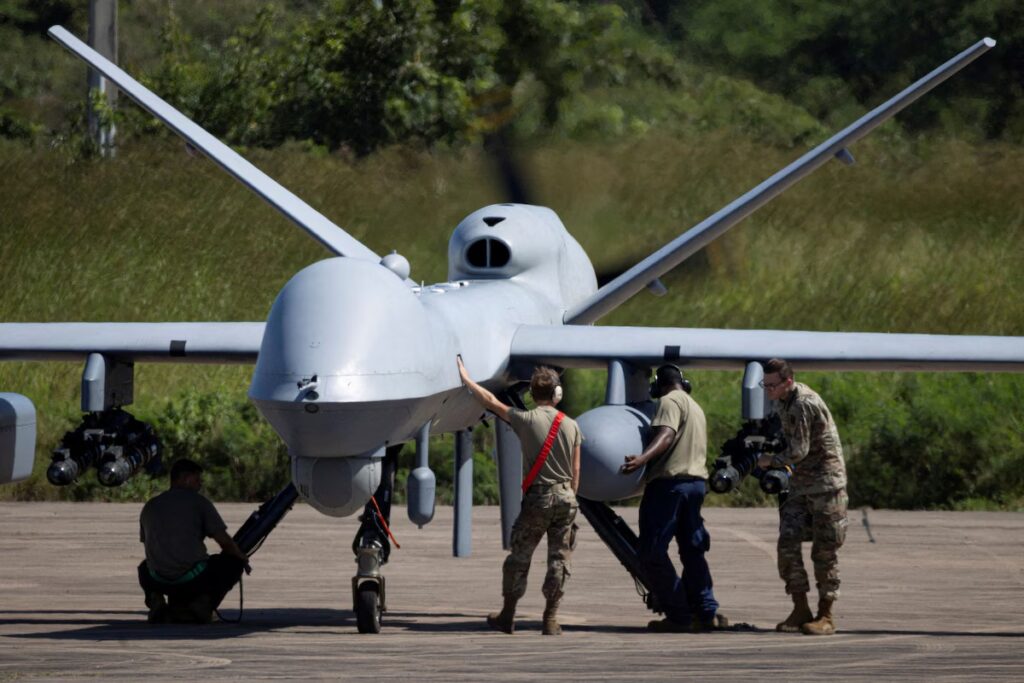
After aerial monitoring, and without there being a direct threat against the US military or the country’s security, the operational command authorized the firing of a missile that destroyed the vessel.
The images recorded by the platform itself showed that, after the explosion, two men remained alive, clinging to debris in the sea. According to sources with direct access to the operation, these survivors were not armed, did not pose an immediate risk and did not make any hostile moves.
It was at that moment, according to the Washington Postthat Hegseth’s verbal order — “kill everyone” — began to determine the next steps.
Admiral Frank M. Bradley, directly responsible for the mission, ordered a second attack, the purpose of which was to eliminate the two castaways. In military circles, the act has been compared to a “take no prisoners” order, a practice explicitly prohibited by the Geneva Conventions and the Pentagon’s own Law of War Manual.
Former military lawyers who reviewed the case say that targeting disabled survivors under any circumstances constitutes “a war crime, murder, or both.”
There are also doubts about who was on the boat. Specialists in anti-drug operations say that speedboats used by cartels generally sail with few people, to expand the space allocated for cargo.
The presence of 11 occupants — a number considered unusual for the transport of cocaine — raises the hypothesis that the vessel brought together fishermen, migrants or informal workers, and not an organized drug trafficking structure.
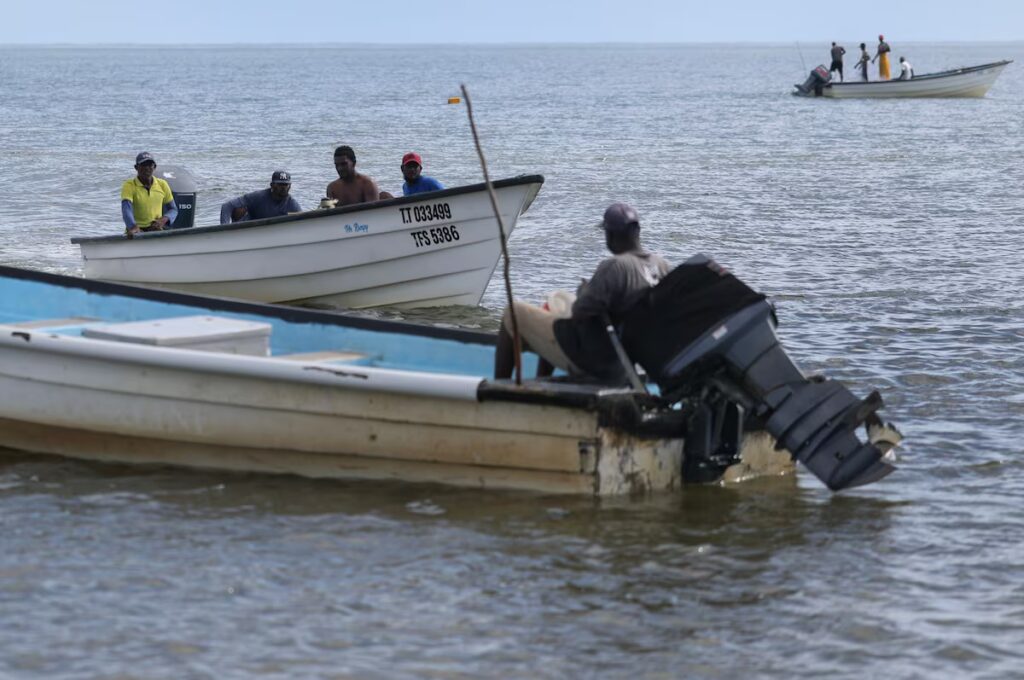
This uncertainty reinforces criticism that the United States resorted to the lethal attack without clarifying who was being hit.
To contain the political damage, the White House began to describe the episode as an action “in self-defense” and says that Bradley “acted within his authority and the law.”
The official reconstruction, however, does not clarify why the second missile was fired, nor does it explain why the government only released an edited 29-second video — which shows the first impact, but hides the attack that killed the survivors.
Neither the Pentagon nor the Justice Department have so far produced the complete recording of the attack, which Congress formally requested in October.
Spokeswoman Karoline Leavitt declared this Monday, at a press conference at the White House, that “Secretary Hegseth authorized Admiral Bradley to conduct these kinetic strikes” and that the commander “worked well within his authority and the law to ensure that the boat was destroyed.”
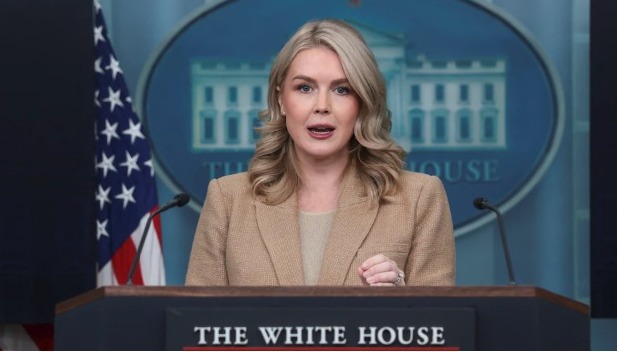
The statement sparked an immediate reaction among military and civilian officials at the Pentagon. In an anonymous interview with Washington Postone official stated that the White House strategy is aimed at “protecting Pete Hegseth” and that the lack of clarity about who ordered the second shooting conveys the feeling that the chain of command is operating to “throw the military under the bus.”
The revelations published by Washington Post last Friday (29) indicate that Hegseth had given a verbal order to kill the entire crew. When the first missile left two survivors, Bradley ordered a second attack to carry out the instruction.
The newspaper reported that people “with direct knowledge of the operation” confirmed the order and stated that the political leadership followed the attack in real time via video transmission.
Experts in humanitarian law state in the country’s press that, even considering the Trump administration’s controversial thesis that the US would be in a “non-international armed conflict” with Latin American cartels, killing shipwrecked people would be a war crime.
The Pentagon’s laws of war manual states that “orders to fire on shipwrecked people are clearly illegal.”
A second official told the newspaper that spokeswoman Leavitt’s speech “left everything open” about responsibility for the second attack. Another official lamented that Bradley had been “put under the spotlight” by the White House, noting that the admiral built his entire career avoiding exposure and working in units that traditionally operate in the shadows.
In a message released on Monday night, Hegseth stated that he “supports Admiral Bradley 100%” and that he “stands by the combat decisions he made”. The statement was received as an attempt to remove the secretary’s direct responsibility.
On Sunday (31), Trump tried to separate himself from the episode. The president stated that he “believes 100%” in Hegseth and said that the secretary denied ordering the deaths of the survivors. Trump declared that he “would not have wanted a second attack”, although he classified the first as “appropriate”.
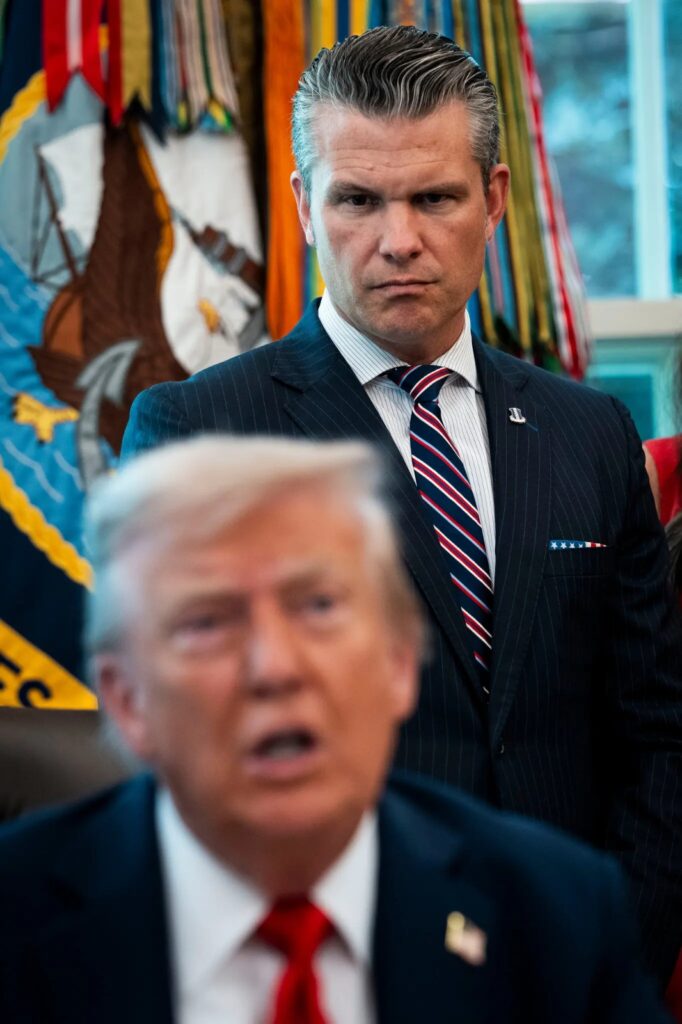
The retreat contrasts with the stance taken by Hegseth on social media, where he declared that “we have just started killing narco-terrorists” and promised to continue the offensive.
In another message, the secretary stated that “the declared intention is to stop lethal drugs, destroy narco boats and kill the narco-terrorists who are poisoning the American people.”
The shielding initiative comes at a time when Congress expands the siege on the Department of Defense. The House and Senate Armed Services committees opened parallel investigations to investigate the circumstances of the attack.
Republican Roger Wicker, chairman of the Senate committee, said this Monday that he requested access to videos, audios, written orders and legal justifications. Wicker declared that “we are going to find out what the true facts are” and confirmed that he spoke with Hegseth and the chairman of the Joint Chiefs of Staff, General Dan Caine.
Democrat Jack Reed, representative of the opposition, reinforced the request for transparency and stated that the Pentagon exceeded legal deadlines to deliver the material.
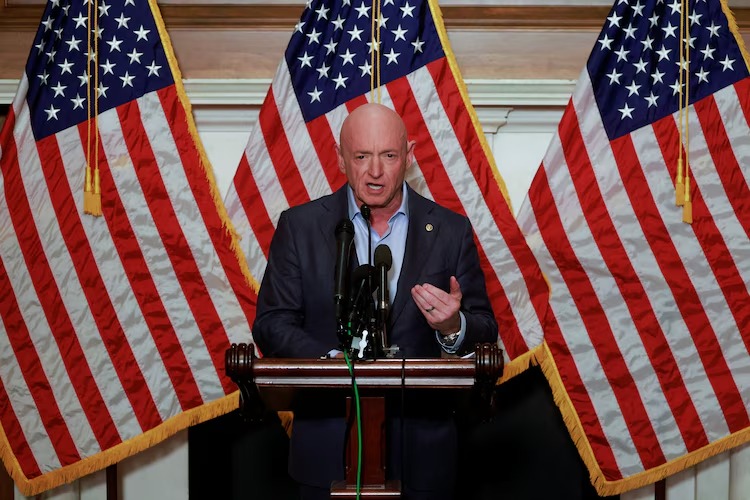
Legislative pressure also grew with the testimony of Senator Mark Kelly, Democrat of Arizona. In direct reference to the case, Kelly stated this Monday that “there needs to be an investigation”, reinforcing that “if there were, in fact, as reported, survivors clinging to a damaged vessel, this could cross a line. I hope that is not the case.”
The senator, a former Navy commander, declared that “the one who needs to answer questions in public and under oath is Pete Hegseth”.
Regarding Trump’s accusations that Democrats had committed “treason”, Kelly responded that “I will not be intimidated by this president” and that “I will not remain silent”.
Groups of former military lawyers reinforced the assessment of illegality. The Former JAGs Working Group stated on Saturday (30) that “not only does international law prohibit attacking survivors, it requires rescuing them, protecting them and, if applicable, treating them as prisoners of war”.
The group concluded that “violations of these obligations are war crimes, murder or both” and added that “there are no other options”.
Concerns increase because the US military offensive takes place in a context of escalation against the Nicolás Maduro government.
The Trump administration has carried out more than 20 attacks since September and has escalated threats of “ground operations.”
On Saturday, the president stated that “Venezuelan airspace is completely closed”, a statement that caused anxiety in Caracas. Trump confirmed that he spoke with Maduro on Friday (29), but did not detail the content.
Reports from Reuters indicate that Maduro requested a broad amnesty, removal of sanctions and authorization to leave the country with his family, proposals rejected by Washington.
The internal crisis in the USA is combined with the advancement of a foreign policy that openly puts pressure on Caracas. Documents delivered to Congress show that even as the White House mentions the fight against fentanyl, almost all of the vessels hit were carrying cocaine destined for Europe and West Africa.
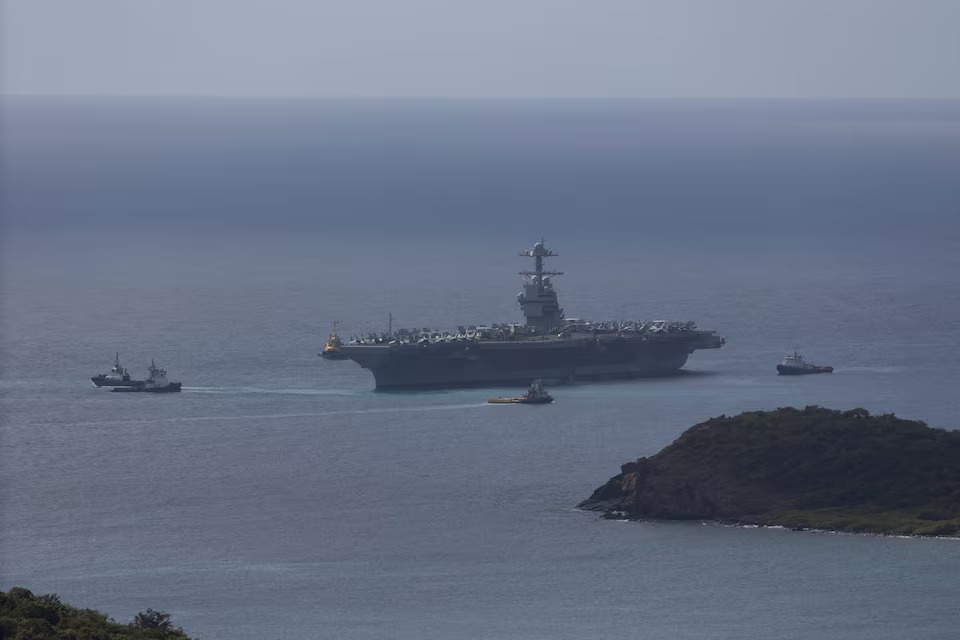
Republican and Democratic lawmakers claim that the “self-defense” justification does not hold water and that the military campaign lacks a legal basis. The Department of Justice defends the thesis that the country is experiencing an “armed conflict” with cartels, but the memo remains confidential.
Among the military, there is growing fear that the government will try to turn Bradley into a scapegoat. Officials told the Washington Post that uncertainty about political accountability threatens trust in the chain of command and can have lasting effects.
One of them stated that “the admiral’s reputation was forever tarnished” just by his mention in the White House statement.
Source: vermelho.org.br