Published 04/11/2025 14:42 | Edited 11/04/2025 15:26
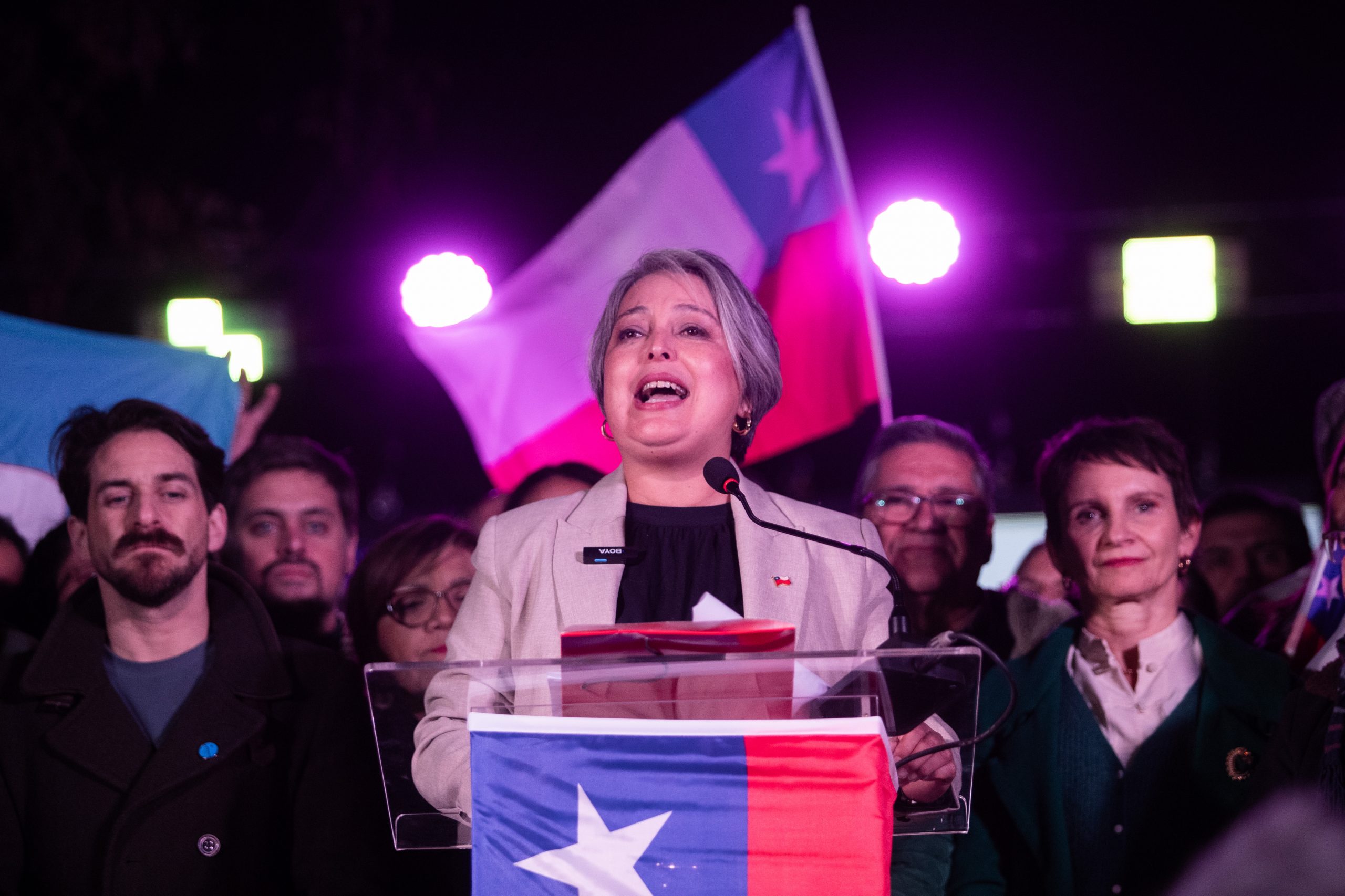
A specter haunts Chile. It is the specter of Jeannette Jara, former minister in the Gabriel Boric government and candidate of the Communist Party (PCCh) for the Presidency of the Republic. AtlasIntel/Bloomberg survey released last Saturday (1st) shows Jeannette in the preference of the Chilean electorate.
With 33.2% of voting intentions, she leads the dispute and, it seems, she already has a guaranteed place in the second round. Supported by Boric, Jeannette is at the head of a left and center-left coalition that wants to deepen the reforms proposed by the current government. It is the first time that the century-old Communist Party, founded in 1922, has a real chance of reaching La Moneda Palace.
Chileans will go to the polls on November 16th, Sunday, the date of the first round of the election. The second round is scheduled for December 14th. The competition for the second place in the final round is fierce, with an unprecedented four-way draw.
The ultra-rightists José Antonio Kast, from the Republican Party, and Johannes Kaiser, from the National Libertarian Party, both have 16.8%. The split in the far right in a country that was once governed by dictator Augusto Pinochet gives room for the rise of conservative, but less radical, candidacies.
Franco Parisi, who declares himself “anti-system”, but is openly neoliberal, scores with 14.2%, followed by the right-wing Evelyn Matthei, who has 13.9%. As the margin of error is two percentage points, plus or minus, Kast, Kaiser, Parisi and Evelyn are technically tied.
With 15 days to go before the election, right-wing and extreme-right names are trying to find a more electoral discourse to lead the opposition. The undecided rate is small (2.0%), and only 0.2% of voters intend to vote blank or invalid. With Jeannette and the left consolidated, the fight to go to the second round must involve an exchange of attacks between the other competitors.
The apparent favorite to challenge Jeannette is Kaiser, who is riding high in the polls, having risen from 9% in September to his current 16.8%. Kast, in the opposite direction, loses strength with each search. It reached 26.5% in July, but began to dehydrate after the August surveys. There are already 9.7 percentage points lost in four months.
Interestingly, the two extremists were together in the 2021 elections, when the Republican Party, founded two years earlier, launched Kast and surprised. The presidential candidate finished slightly ahead of Boric in the first round (27.91% to 25.83%), but took the turn and was defeated in the final round (44.13% to 55.87%). Since then, Kaiser has announced his disaffiliation from Republicado twice – until, in 2024, he founded the National Libertarian Party.
Another curiosity is the fact that the two women in the presidential race were Labor ministers: Jeannette Jara held the post in the Boric government, and Evelyn Matthei, in the Sebastian Piñera administration. In a recent interview with Opera Mundisociologist Alexis Cortés analyzed that the Communist Party candidate needs to “break the bubble” so as not to be restricted to the traditional left-wing vote.
“Jara is stable in first position – but she needs to make a leap, break the bubble of the progressive sector. To do this, she will depend on a campaign that knows how to speak and convince this electorate that has never voted and that will now be forced to go to the polls”, declared Cortés.
The concern is relevant because, with the tendency for all opponents to unite against Jeannette in the second round, the vote of independent voters, not necessarily linked to parties or ideologies, will be decisive. Defending the achievements of the Boric administration is important to guarantee the continuity of the government and avoid the risk of setbacks. But better demarcation between the right and the extreme right has become inevitable.
Source: vermelho.org.br