Published 07/10/2025 17:33 | Edited 07/10/2025 18:10
The American Federation of Agricultural Agencies (American Farm Bureau Federation-AFBF) has indicated that China is gradually reducing the dependence on American soy and buying from other partners, the main ones of them Brazil and Argentina.
According to the entity, international trade has been the country’s salvation board, with China being the main soy client.
“About 20% of all US agricultural production is exported, and these sales are often what makes the difference between profit and loss at the agricultural level,” says AFBF, which represents about 6 million farmers.
Read more: Without China, US soybeans and farmers fear bankruptcy
But this year the scenario has changed: with the tariff imposed by the Donald Trump government, the Chinese stopped buying soy and other agricultural products from Americans, expanding farmers’ uncertainties with increasing commercial deficit in the sector.
“China has constantly diversified its suppliers, turning more to Brazil and Argentina in search of soy, grains and proteins. China’s internal policy goals, including food security and price management, also encourage the distribution of purchases between various countries to avoid dependence on the United States,” the federation understands.
As already reported by Red portalsince May China has not buys US soy in response to the obstacles launched by President Donald Trump with his tariff. In April, President XI Jinping authorized the 20% tax on the US commodity.
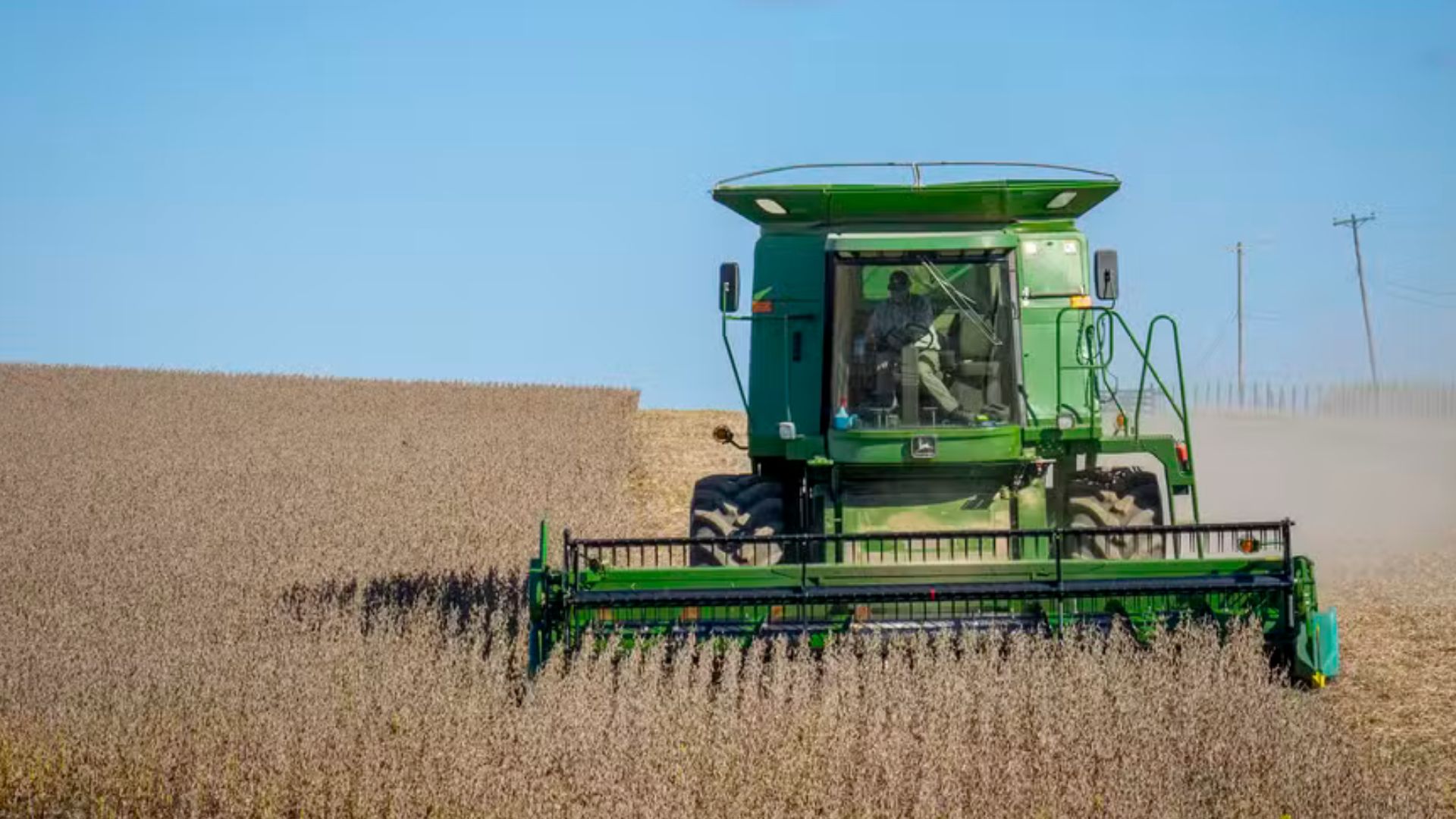
With the main partner closing the doors to the product, farmers have been pressing Trump for a quick deal that allows production to flow. Without sales to China and without enough silos to store the crop that began to be harvested in September, farmers fear bankrupt with the collapse of the price of the product that can die in the foot. Thus, farmers have pressured US officials for a way to compensate for those who are financially harmed.
Brazil
But on the one hand the Chinese stopped buying from the US, on the other, they expanded shopping from Brazil, as the AFBF indicates.
For comparative effect, the Federation shows that between January and August 2025 US soybean exports to China totaled only 218 million bushels (US unit of measure that, in the case of soy, equals 27.2 kg), and in 2024 there were 985 million bushelsalmost half of all the export of the grain.
Brazil has exported 2.5 billion bushels From soy to China in the same period, expanding its dominance in the Asian giant market. Another highlighted country is Argentina, which moved to snap part of this market by removing export tax.
“China soy imports are not decreasing; in fact, they have reached record levels, but most of this demand is now being met by competitors. The cascading effects of commercial tensions are appearing in agricultural markets. The wide global offer and weaker export demand are heavily weighing on US corn, soy and wheat, reducing agricultural revenues Harvesting. This is aggravated by low water levels on the Mississippi River, which are increasing the transportation costs, ”says the entity, who calls for diversification of business partners to Trump so that in 2026 their harvest is different from what was this year.
Source: vermelho.org.br