Published 17/09/2025 13:18 | Edited 17/09/2025 13:24
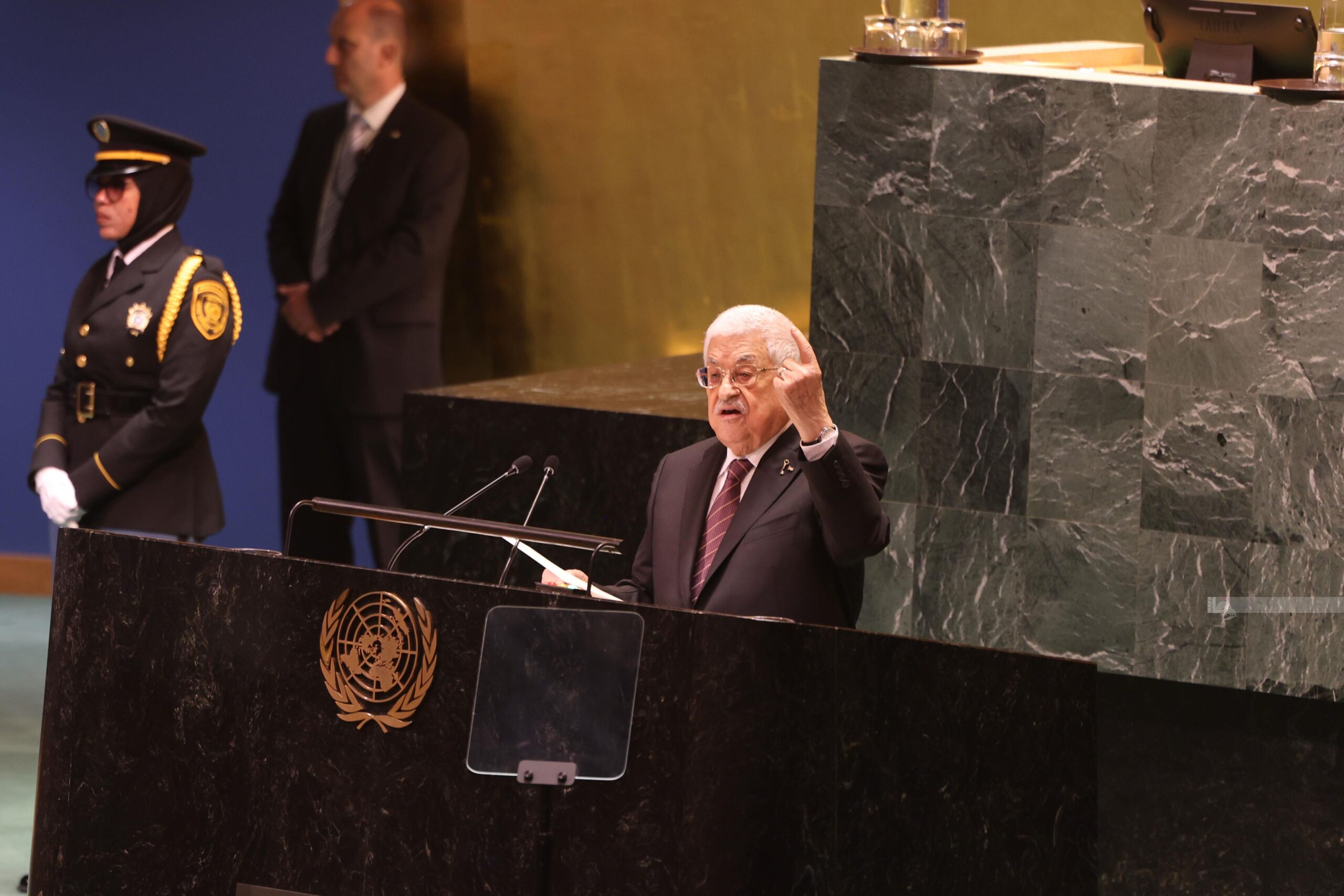
The recognition of Palestine by powers such as France, the United Kingdom and Canada, to be made official at the UN General Assembly in September, does not create a state of day by night or alter the reality of Gaza or the West Bank, but changes the starting point of international diplomacy.
If the creation of a Palestinian state was previously discussed as the goal of a always postponed peace process, it is now a premise of future negotiations. The Palestinian Authority, treated as a state government, gains legitimacy to open embassies, sign treaties and participate more actively in multilateral organisms.
The consequences are immediate in the political field. Countries that recognize are of legal basis to differentiate Israel from occupied areas, pressing on restrictions on products from settlements and revision of commercial agreements.
This movement expands the international isolation of Tel Aviv, admitted by Benjamin Netanyahu himself, who spoke in “isolation process” and argued that Israel moves towards self -sufficiency, including war.
Learn more: UN Commission accuses Israel of committing genocide against Palestinians
Learn more: Netanyahu admits international isolation
If France and the United Kingdom confirm the gesture, the United States will be the only permanent member of the Security Council to reject Palestine as a state, weakening its neutral mediator narrative in the conflict.
There are also legal implications. Even without full membership of the UN-barred by the American veto-recognition strengthens the Palestinian position in international cuts and expands the reach of complaints against Israel in The Hague.
With state status, Palestine has more instruments to trigger the International Criminal Court in cases of war crimes, including accusations of genocide in Gaza and the expansion of settlements in the West Bank.
In addition, the new level facilitates adherence to multilateral human rights treaties, trade and the environment, reinforcing the argument that it is a functional state.
In the strategic level, change is significant. In consolidating the existence of Palestine, negotiations fail to discuss “if” there will be two states and discuss “how” their contours and safety guarantees will be defined.
This inversion reduces the historic asymmetry between Israel and the Palestinians and puts back in the center of the table themes such as the borders of 1967, the status of Jerusalem and the right to return millions of refugees.
But the reality on the ground points in the opposite direction. Finance Minister Bezalel Smotrich announced the construction of 3,500 houses linking East Jerusalem to the West Bank, a measure that threatens to make an adjacent Palestinian territory unfeasible.
Learn more: world leaders react to Israel’s offensive against the city of Gaza
The contradiction is evident. As the international front grows that recognizes Palestine as a state, Israel accelerates annexations and conducts a war that has left more than 64,000 dead and 160,000 injured in Gaza. The figures, previously described as propaganda, were confirmed by the former army chief Herzi Halevi, who estimated 10% of the Enclave population the total of dead and injured since October 2023. Halevi also admitted that legal opinions have not limited military operations, serving only as international shielding.
European recognition is more than a symbolic gesture, but less than a solution. It reinforces Palestinian legitimacy in multilateral forums, expands pressure on Israel and places the United States in an isolation position.
At the same time, it does not stop the war nor prevents the Netanyahu government from building “facts in the form of houses and neighborhoods,” as Smotrich said.
The UN may be about to consecrate Palestine as a state, but the Israeli offensive continues to decide, in practice, what will remain from this sovereignty on the ground.
Learn more: Lula will debate in the UN Democracy, Climate, Multilateralism and Palestine
Source: vermelho.org.br