Published 05/09/2025 14:54 | Edited 05/09/2025 16:04
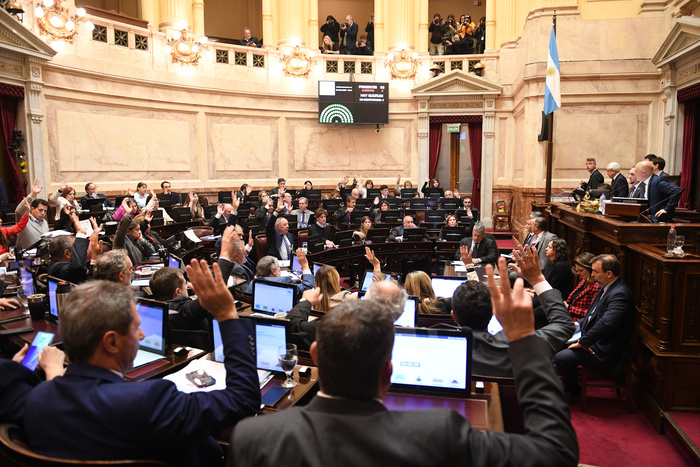
In a hard blow to the Javier Milei government, the Argentine congress overthrew a presidential veto for the first time since 2003. The decision, made by the Senate with 63 votes in favor and only seven against, restored the disability emergency law, which expands social benefits, ensures automatic update of pensions and provides retroactive readjustments to people with disabilities.
The measure had been vetoed under protects by Javier on the grounds that it would threaten fiscal balance. The episode is not just symbolic: he shows that even with a hard speech of austerity, Milei has difficulty imposing his agenda on a congress in which he occupies a minority and isolated position.
The background: scandal and social mobilization
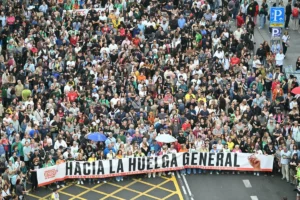
The vote took place amid the bribe scandal involving former director of the National Disability Agency, Diego Spagnuolo, accused of leaked audios of discussing bribes and quoting the president’s chief of staff and sister, Karina Milei. The case accelerated social pressure: families of people with disabilities and service providers packed the front of Congress, denouncing cuts and freezing that already lasted months.
The mobilization set a political tone to the session, and senators of different parties – including occasional allies of Milei – eventually voted for the overthrow of the veto.
The shock with the “chainsaw”
The law that survived the veto is seen by opposition as a brake on the government’s radical adjustment program. With the measure, Casa Rosada is required to relocate resources, guarantee late payments and expand the number of disability pension beneficiaries, contrary to the official plan to cut up to 500,000 benefits by 2025.
According to congressional budget office calculations, the measure can cost between 0.25% and 0.48% of GDP, a very distant impact of the fiscal collapse pointed out by Milei.
The Government Strategy: Judicialization
De Los Angeles, where he is fulfilled with entrepreneurs, Milei anticipated the reaction: judicialize the law to try to block its application. He maintains that the standard violates the Financial Administration Law for not indicating the source of resources.
However, experts recall that Casa Rosada itself has been a budget for Congress for two years – a paradox that undermines the solidity of the presidential argument.
The second setback: limits to decrees
In the same session, the Senate also approved, in a preliminary vote, an amendment that restricts the use of Decrees of Need and Urgency (DNUS), Milei’s favorite instrument to rule without passing through Parliament. The proposal, which still needs the House of Representatives, establishes shorter deadlines to be processed and prohibits reissue decrees rejected.
For opposition, it is about rebalanced the powers; For the government, it is an attempt to “disarm” the executive in the face of a legislative minority.
Immediate political impacts
The double setback occurs on the eve of the legislative elections in the province of Buenos Aires and the weeks of the national election of office, in which Milei tries to broaden his representation in Congress. The result exposes the political fragility of the government, dependent on occasional support and vulnerable to crises of credibility.
More than a momentary obstacle, the overthrow of the veto signals that the promise of liberal “chainsaw” found its first relevant institutional limit – and that the social cost of adjustment can become the decisive factor of political dispute in Argentina.
Source: vermelho.org.br