Published 8/20/2025 15:39 | Edited 20/08/2025 16:28
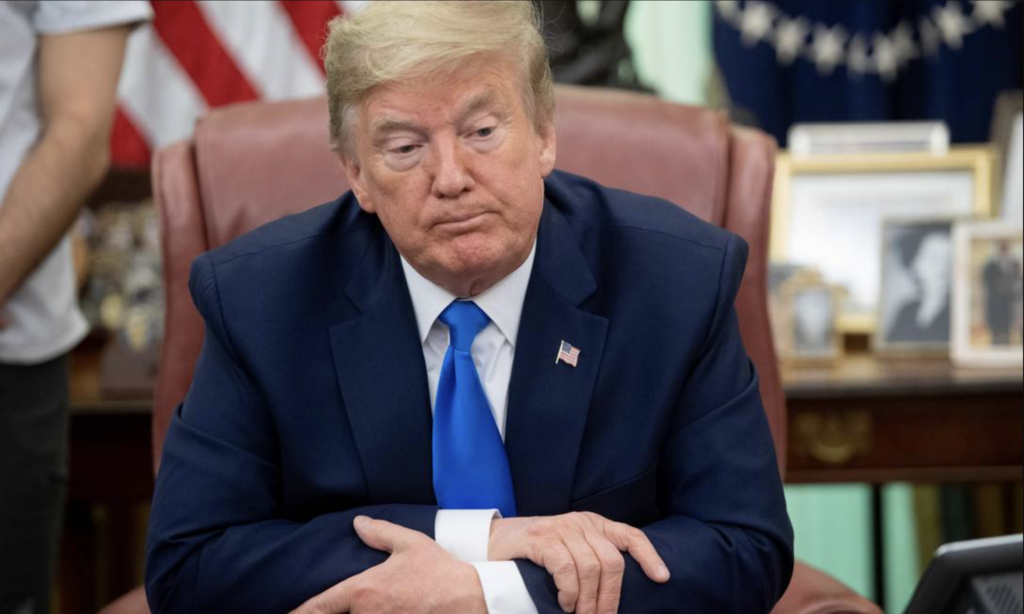
The US government accepted the request for consultations by Brazil at the World Trade Organization (WTO), in response to the tariff imposed by US President Donald Trump to Brazilian exports. The gesture was received as a sign of opening to dialogue, although Brazilian authorities consider the negotiation difficult and see the measure as a bureaucratic step provided for in the rules of the international organism.
According to the letter sent to Geneva, Washington agreed to talk, but reiterated that the surcharge of up to 50% about Brazilian products is “necessary” to face an alleged national emergency scenario linked to persistent commercial deficits. The argument, however, is not supported in the case of Brazil, as the US has a history of surplus in the trade balance between the two countries.
Brazil’s arguments against tariff
Itamaraty maintains that the measures adopted by Trump violate the US -made commitments in the WTO. In a letter filed at the entity, the Brazilian government argues that Washington discriminated against Brazil by exempting other commercial partners of additional tariffs, injuring the principle of non -discrimination.
In addition, Brazil points out that the applied surcharge goes beyond the tariff boundaries provided for in multilateral agreements and that if the US had complaints against Brazilian practices, they should have appealed to the WTO controversy solution mechanism and not to adopt unilateral measures.
Consultations and next steps
US acceptance makes room for bilateral meetings between Brazil and the USA in Geneva, with no deadline for completion. If the consultations do not resolve the impasse within 60 days, Brazil may request the formation of an arbitral panel, the first stage of judgment within the WTO.
This process, however, usually drags on. On average, it lasts about 18 months and can reach five years in more complex cases. In addition, the entity’s last instance – the appeal body – has been paralyzed since 2019, precisely by blocking the US, which limits the chances of a definitive resolution.
National security as a shield
In the response sent to the WTO, the US insisted that tariffs against Brazil fall into “national security,” thesis historically used by Washington to shield trade policy measures for international legal reviews.
“All WTO members retain the authority to determine by themselves which measures they consider necessary to protect their essential security interests,” the US mission said.
Still, the letter concludes by stating that Washington “is ready to discuss with the Brazilian authorities on a mutually convenient date.”
Perspectives
For Brazilian diplomats, the opening of consultations already represents an advance, as the bilateral channels were blocked. A technician who follows the topic evaluates that the gesture may just be an attempt to earn time from the US, but it does not rule out that dialogue is the opportunity to reduce the impact of overflows.
Whether by political or legal means, the dispute marks another chapter of commercial tension between Brazil and the United States and puts the WTO as the stage of a delicate negotiation. The Lula government will continue to search for other parallel negotiations in order to reverse or further attenuate the tariff.
Source: vermelho.org.br