Published 12/08/2025 10:09 | Edited 12/08/2025 10:19
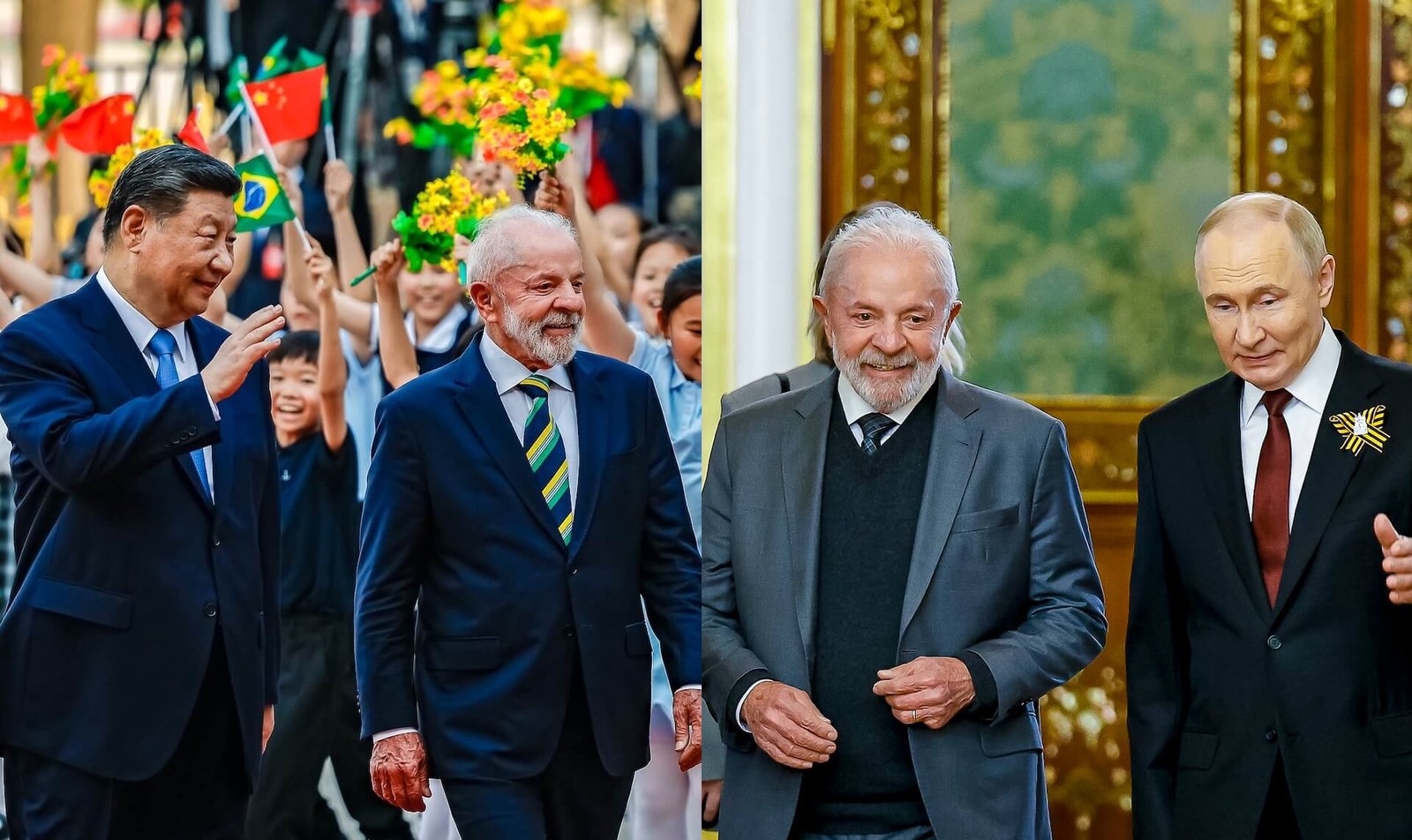
Faced with the escalation of commercial tensions with the United States, marked by the tariff imposed by the Donald Trump government against Brazilian products, the Ministry of Finance officially on Monday (11) two memorandum of understanding with Russia and China. The documents, published in the Official Gazette of the Unioncreate permanent mechanisms of economic and financial dialogue and reinforce Brazil’s coordination with strategic allies at BRICS and G20.
The measure signals the intention to diversify markets and sources of financing, reducing US dependence and intensifying the articulation with emerging powers.
The coordination with Russia and China also reinforces the Brazilian weight in multilateral negotiations, especially in the context of the G20 presidency and the 17th BRICS summit, which the country hosted in July in Rio de Janeiro.
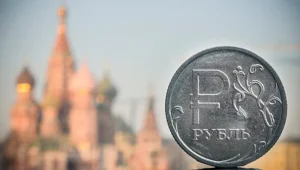
Moscow: Coordination at BRICS and G20
Memorandum with Russia creates an economic and financial dialogue among the ministries of the area, with periodic meetings, information exchange and integration into the activities of the Brazil – Russian Intergovernmental Commission.
The document also provides for alignment of positions in multilateral forums such as BRICS, G20 and international financial bodies. Memorandum does not impose legal or financial obligations, but creates a permanent instance of communication and political-economic alignment.
Beijing: Strategic Integration and Sustainable Investments
Memorandum with Beijing is more ambitious and long term. It takes up commitments signed since 2023, aligning the new PAC, the ecological transformation plan and the South American Integration Routes Program with the Chinese Belt and Rota initiative.
Among the axes of cooperation are:
- Climate financing and acting in the “Circle of Ministers of Finance of COP30”;
- Expansion of the presence in the Novo Development Bank and the Asian Bank of Infrastructure Investment;
- Defense of reforms in the World Bank and other global institutions to expand the participation of developing countries.
- Support for Investment In Infrastructure and Sustainable Projects;
As in the pact with Russia, there are no legal obligations, but a political landmark that strengthens strategic cooperation.
Global South as Balance Axis
In practice, memorandos expand the cooperation space in:
- Infrastructure;
- Technology and Innovation;
- Sustainable finances;
- Reforms of International Economic Governance
The simultaneous signing of the two memorandos reinforces the Brazilian movement of positioning itself as a global southern articulator, expanding strategic alliances to counteract economic pressures from the United States.
Source: vermelho.org.br