Published 12/08/2025 11:14 | Edited 12/08/2025 11:32
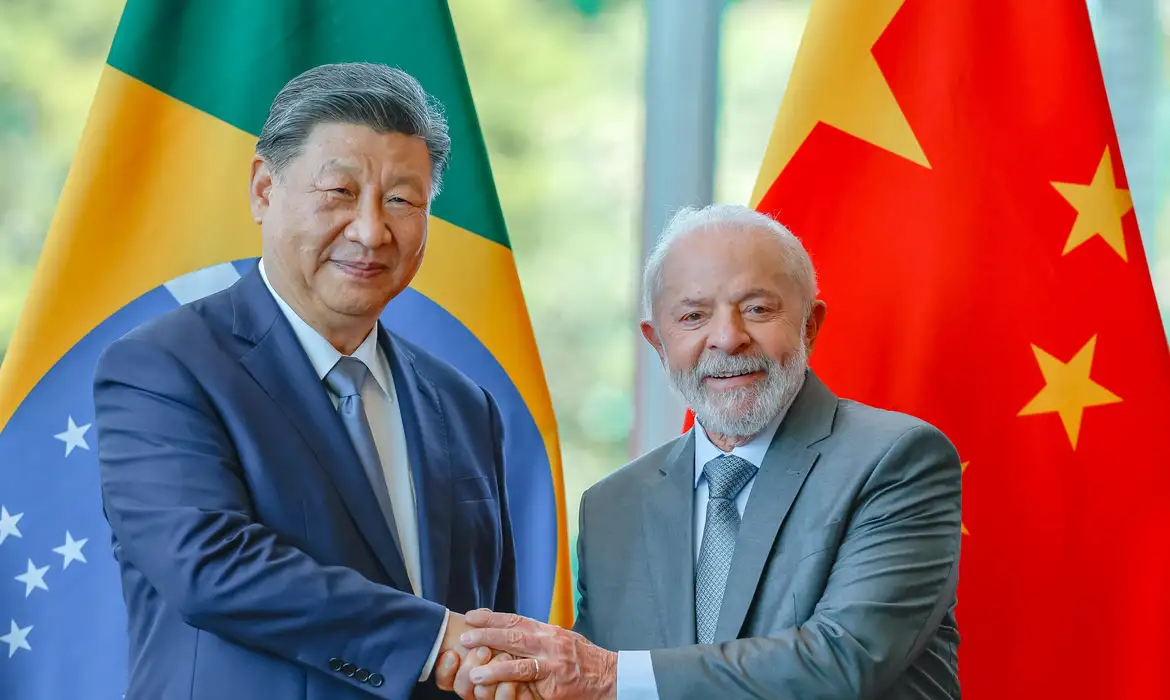
President Luiz Inacio Lula da Silva talked by telephone, on Tuesday (12), with the president of China, Xi Jinping, in a dialogue that reaffirmed the strategic alignment between the two countries against the tariff war imposed by US President Donald Trump.
The two leaders highlighted the importance of strengthening the global southern unit in confronting unilateralism and strengthening economic and political cooperation.
Xi Jinping stated that “China supports the Brazilian people in defense of their national sovereignty and supports Brazil in safeguarding their rights and legitimate interests,” adding that “all countries must come together against unilateralism and protectionism.”
The Chinese leader assessed that the relations between Brazil and China “are at the best time in history” and pointed out the construction of “an example of unity and self -sufficiency between the main powers of the global southern” as one of the central objectives of the partnership.
According to Xi, Beijing is willing to “work with Brazil to take advantage of opportunities, strengthen coordination and create more mutually beneficial cooperation results”, as well as “jointly build a fairer world and a more sustainable planet”.
Lula, in turn, stated that “Brazil attributes great importance to relations with China” and expressed willingness to “deepen cooperation and align development strategies” in areas such as health, oil and gas, digital economy and satellites.
The Brazilian president praised “China’s commitment to multilateralism, the defense of the rules of free trade and the responsible role he plays in international affairs.”
Both argued that BRICS remains “an important platform for protecting the legitimate rights and interests of developing countries” and agreed to act together to ensure the success of the UN conference on climate change in Belém, which will receive a high -level Chinese delegation.
Conducting the conversation reinforced the Brazilian strategy to reaffirm commitments to strategic partners, avoiding publicly expanding existing tensions.
The priority, according to government members, is to expand Brazil’s presence in multilateral spaces and strengthen the integration of the global south, articulating common objectives and opening for cooperation on various fronts.
Internal support for the diversification of partners
Days before the conversation between Lula and Xi Jinping, two government ministers had already publicly advocated China’s centrality in Brazil’s trade relations and the need to diversify partners in the face of the tariffs imposed by Donald Trump.
Also read: Brazil Settle Strategic Pacts with Russia and China in reaction to the tariff
Planning Minister Simone Tebet said on Friday (8) in Porto Velho that, although Brazil needs to be partnered with the US, “our largest commercial partner today is China, is Asia.”
She defended the physical integration of South America, highlighting the railroad that will connect the Atlantic to the Pacific to speed up trade with Asia, and situated the project in the context of threats to multilateralism, noting that regional integration is strategic to reduce external dependencies.
Finance Minister Fernando Haddad, on Tuesday, in an interview with Globo Newsaccused sectors of the far right of acting against the national interest and impairing commercial dialogue with Washington, mentioning that this sabotage would have led to the cancellation of a meeting with the US Treasury Secretary.
Haddad warned of the fall of US participation in Brazilian exports-from 25% to 12% in two decades-and defended the diversification of markets, citing Brics and Asean as priority destinations for Brazilian products.
Source: vermelho.org.br