Published 02/01/2026 17:26 | Edited 02/01/2026 17:28
With blackouts lasting up to 20 hours a day, the island of Cuba is facing an unprecedented energy crisis, worsened by a new diplomatic and economic offensive by the Donald Trump administration. The US government, under the pretext of seeking an “agreement”, intensifies the blockade to force political concessions in a scenario of extreme vulnerability.
Blackmail as a method
The Reuters Agency reported that on Saturday (31), aboard Air Force One, Trump stated that he “believed” that the United States would “reach an agreement” with Cuba, reiterating what he had previously said in Mar-Al-Lago, when conditioning the end of the pressure on an “agreement” on terms favorable to the USA. “They don’t have money. They don’t have oil. They lived off Venezuela, and none of that is coming now,” he said. Analysts characterize Washington’s stance as a reissue of the “gunboat diplomacy” of the 19th century. Trump does not hide his objective of strangling the Cuban regime.
The “maximum pressure” tactic is a recurring pattern of the current US administration. Coercion was used against Venezuela in sanctions and operations that led to the country’s isolation and Maduro’s kidnapping. The method is also applied against Iran and North Korea, using sanctions and military threats to force bilateral negotiations. Even the imposition of tariffs on steel, aluminum and migration issues were used to obtain political and commercial alignment with partners such as Brazil and Mexico.
The energy collapse and the fuel siege
The crisis is technical and financial. According to the Cuban Electric Union, the deficit during peak hours reaches 1,910 MW, with a supply of just 1,160 MW for a demand of 3,040 MW. The scenario is the result of failures in obsolete thermoelectric plants and the impossibility of purchasing parts and inputs due to the blockade.
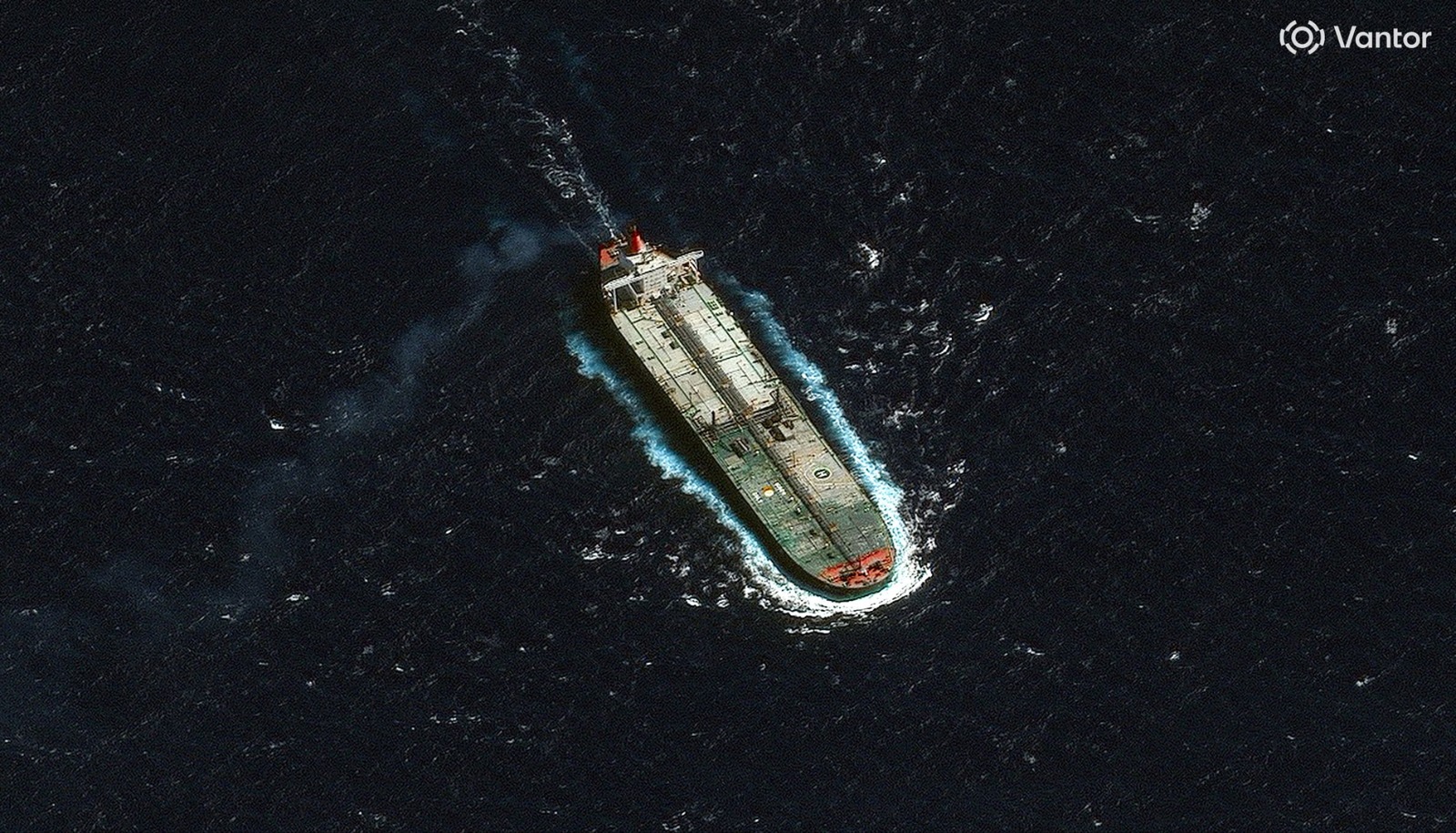
The situation has worsened since Trump signed an executive order declaring a “national emergency” in relation to Cuba, classifying the island as an “unusual threat” to US security. The measure authorizes punitive tariffs against nations that sell oil to Havana, which directly affects supplies from Mexico and Venezuela — a country that was severely hit by Washington.
Resistance and national mobilization
Russia, through spokeswoman Maria Zakharova, condemned the sanctions on Cuba, classifying them as “categorically unacceptable” and a flagrant violation of international law.
Internally, the Cuban government responds with defensive mobilization. President Miguel Díaz-Canel led tactical exercises on National Defense Day, reinforcing the doctrine of the “War of the Whole People”. The training involved everyone from generals to health and civil protection brigades, under the premise that sovereignty depends on popular organization.
Cuba’s ambassador to Colombia warned that the current threats are the most serious in the 67 years since the Revolution. While Washington uses shortages as a weapon of coercion — forcing the island to accept terms “before it is too late”, Cuban daily life is marked by the paralysis of transport and basic services.
For Havana, Trump’s proposed “deal” resembles an unconditional surrender under blackmail. The island’s resistance tests, once again, the limits of international law in the face of economic pressure from the superpower.
Source: vermelho.org.br