Published 03/27/2026 12:16 | Edited 03/27/2026 12:33
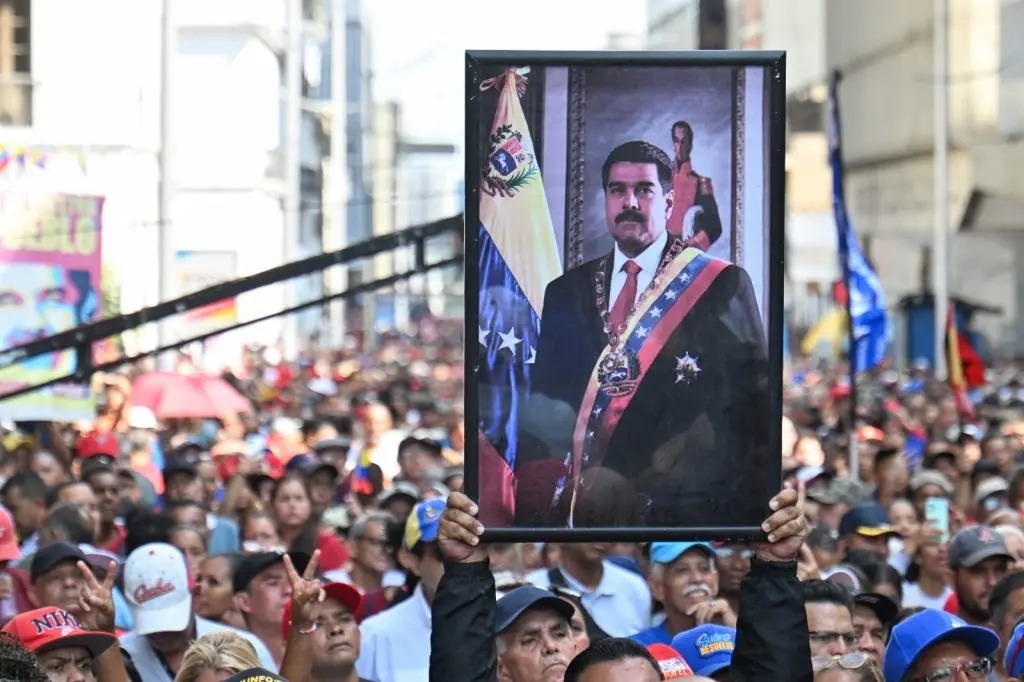
This Thursday (26), the United States Justice maintained the drug trafficking charges against Venezuelan President Nicolás Maduro and continues to prevent access to financial resources to pay for his defense.
The hearing was led by federal judge Alvin Hellerstein, at the Manhattan court, and had as its central axis the impasse over defense financing.
Right at the opening of the session, the judge directly questioned Donald Trump’s government about the decision to prevent the use of Venezuelan resources to pay for lawyers for Maduro and his wife, Cilia Flores.
When confronting the prosecution’s position, Hellerstein stated that he did not identify a concrete basis to support the restriction based on national security. According to him, the fact that the defendant is in custody in the United States changes the argument used by Washington to maintain the blocking of funds.
Maduro faces charges related to drug trafficking and has remained detained in New York since January, after being captured in Caracas and transferred to the United States, where he was tried in federal court.
The legal dispute occurs amid sanctions imposed by Washington, which also directly affect access to financial resources linked to the Venezuelan State.
The defense, led by lawyer Barry Pollack, maintains that the blockade prevents the full exercise of the right to defense, by making it impossible to hire lawyers chosen by the defendant himself. Lawyers argue that the measure violates constitutional guarantees provided for in North American legislation.
During the hearing, Pollack even requested the closure of the process, claiming that interference with the defense conditions compromises the legality of the trial.
The request was rejected by the judge, who decided to keep the case moving forward, although he indicated concern about the effects of the sanctions on the accused’s rights.
Hellerstein also raised doubts about the possibility of forcing the Treasury Department to release a specific license that would allow the use of blocked resources — a hypothesis ruled out by the prosecutor’s office.
At the end of the session, the judge informed that he will analyze the defense’s requests before making a decision.
With no new date set for the next hearing, the process schedule must remain temporarily suspended. The expectation, according to the court itself, is that the trial will still take months — or even years — to begin.
In parallel with the judicial progress, President Donald Trump stated that the ongoing process is part of a broader strategy and indicated the possibility of new accusations against Maduro, expanding the legal offensive led by Washington.
Source: vermelho.org.br