Published 11/12/2025 10:43 | Edited 11/12/2025 11:10
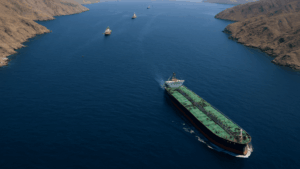
The United States captured this Wednesday (10) a cargo ship loaded with Venezuelan oil off the country’s coast, in the most serious act of Donald Trump’s military escalation in the region.
Caracas classified the operation as “brazen theft” and “international piracy”, stating that the act is part of “a deliberate plan to steal our energy resources”.
“A brazen robbery and an act of international piracy, publicly announced by the President of the United States, who confessed to the robbery of an oil tanker in the Caribbean Sea,” protested Maduro.
For the Venezuelan government, Washington’s rhetoric about democracy and human rights serves to cover up its imperialist interests.
“It’s not migration. It’s not drug trafficking. It’s not democracy. It’s not human rights. It has always been about our natural wealth, our oil, our energy”, says a statement from the Bolivarian Foreign Ministry.
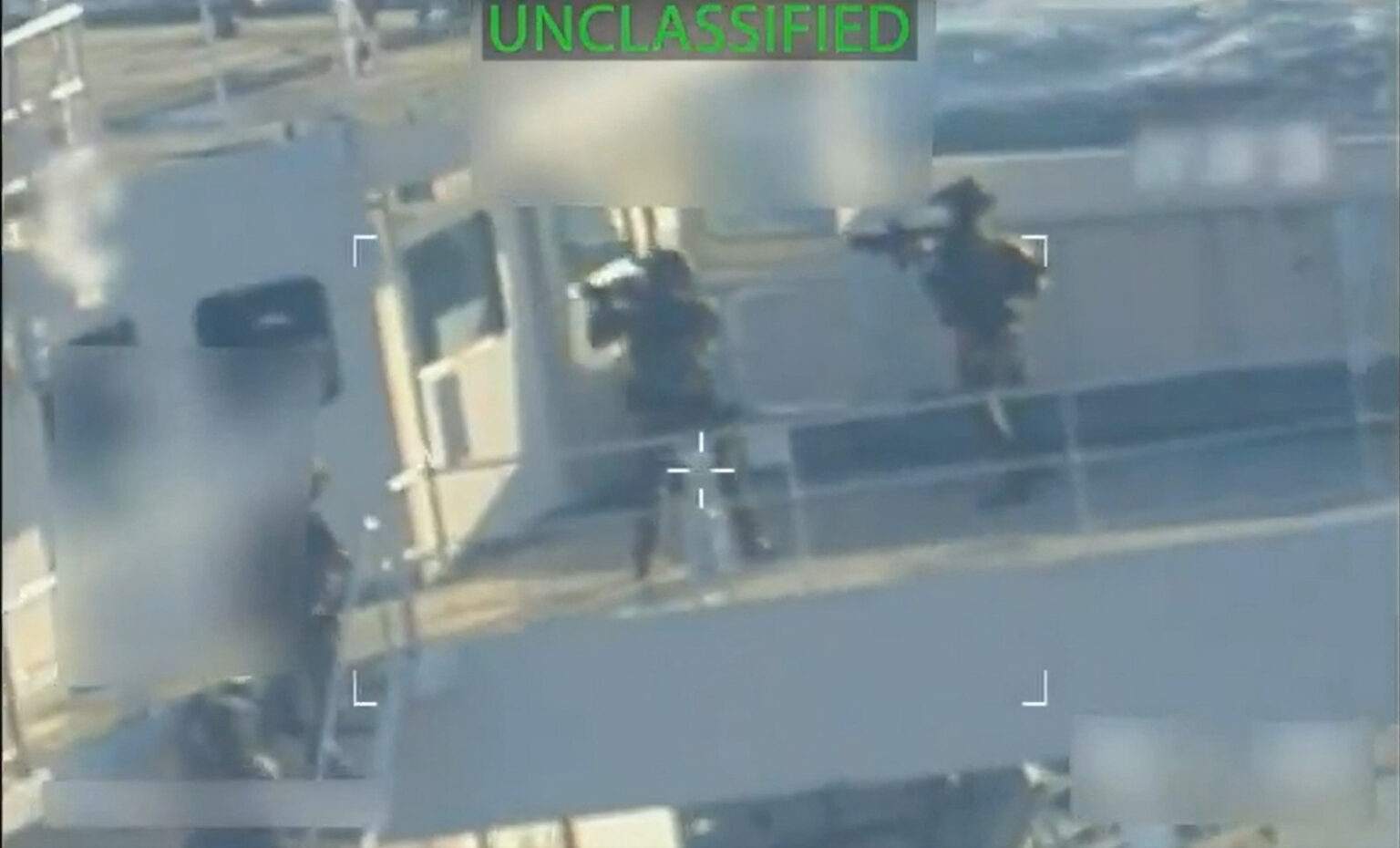
The seizure was carried out by agents from the FBI, the Department of Homeland Security (DHS) and the Coast Guard, with support from the US Armed Forces. According to US Secretary of Justice Pam Bondi, the operation served an arrest warrant against a ship used to transport Western-sanctioned oil from Venezuela and Iran.
A video released by the White House shows two military helicopters approaching the cargo ship and heavily armed teams descending by ropes to the deck, with no record of resistance from the crew.
The cargo ship, identified by maritime entities as Skipper, had left the José Antonio Anzoátegu Industrial Complex, in the state of Anzoátegui, between December 4 and 5 with around 1.8 million barrels of Merey heavy oil.
According to tracking data, the ship also transferred approximately 200,000 barrels to another vessel near Curaçao, destined for Cuba, before being intercepted.
When announcing the capture, Trump said it was “a large oil tanker, very large, in fact the largest ever seized”, and stated that the United States could “keep it”.
“We just seized an oil tanker off the coast of Venezuela. Other things are also happening, you will see later,” he said. Trump stated that the US will be able to “keep” the cargo ship.
The North American president also made direct threats to his Colombian counterpart, Gustavo Petro. “He better watch out, or he’ll be next. I hope he’s listening: he’ll be next,” he threatened.
Since September, the Trump administration has rapidly expanded its military presence in the Caribbean and the Pacific, under the argument of combating vessels allegedly linked to drug trafficking.
The operation, however, resulted in the destruction of more than 20 boats and the death of at least 87 people, without Washington presenting consistent evidence about the victims’ involvement in criminal activities.
The military offensive rekindles the alert among jurists, parliamentarians and anti-imperialist movements, who point out that the White House has been using lethal force arbitrarily to pressure the downfall of Nicolás Maduro and reconfigure North American access to Venezuela’s natural resources.
The seizure of the Venezuelan cargo ship represents the first direct interference by the United States in the flow of oil exports from Venezuela, the central pillar of the country’s economy and its main source of foreign currency.
For Caracas, the action confirms that the military escalation has as its ultimate objective to restrict, control or disorganize national oil income — a movement that, by reaching the heart of the Venezuelan economic structure, deepens the hostile and unilateral nature of the measures imposed by Washington.
The episode occurs in the midst of the new US National Security Strategy, which rehabilitates the logic of the Monroe Doctrine and reaffirms Washington’s intention to control the political and economic direction of Latin America.
By capturing a commercial ship and openly threatening neighboring governments, Trump signals that his foreign policy for the region combines military pressure, economic sanctions and direct attacks on the sources of revenue of sovereign states — an environment that increases the risk of clashes and puts tension across the entire region.
Source: vermelho.org.br