Published 03/04/2026 08:34 | Edited 03/05/2026 14:19
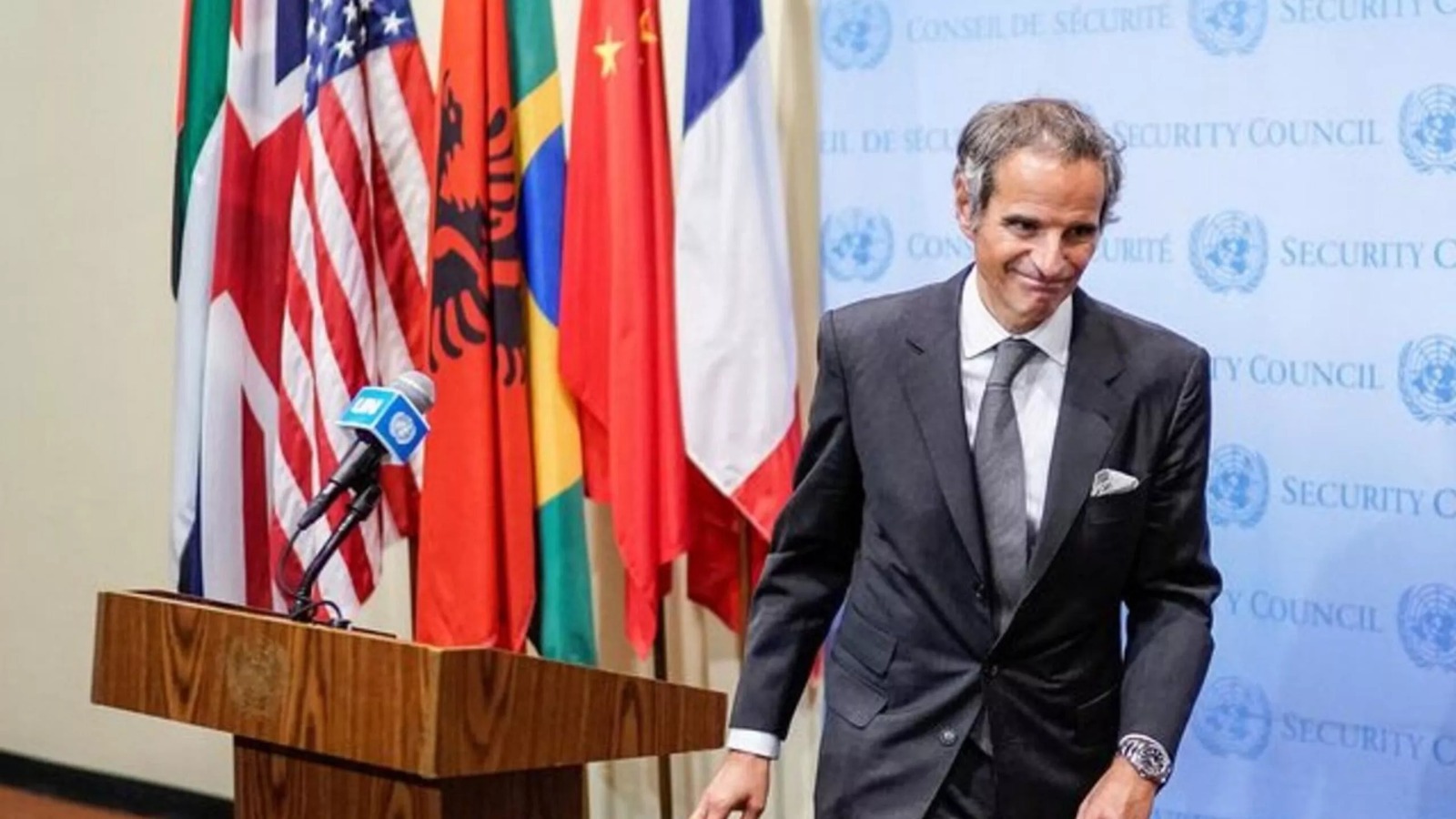
The International Atomic Energy Agency (IAEA) stated on Monday (2) that it had not identified evidence of a structured nuclear weapons program in Iran. In a press conference following a meeting of the agency’s Board of Governors in Vienna, director general Rafael Grossi declared that the country does not have nuclear warheads.
“We do not see a structured program to manufacture nuclear weapons. This remains the agency’s assessment of the Iranian nuclear program,” Grossi said.
The declaration comes amid the open war by the United States and Israel against Iran, justified by accusations that Tehran is close to producing a nuclear device.
Asked about the allegation that Iran represented an imminent threat, Grossi avoided commenting on the political decisions that led to the offensive and stated that the IAEA was only responsible for presenting its technical assessment of the country’s nuclear program.
According to the director general, the agency has been following the development of Iran’s nuclear program for years and recognizes that it has become broad and technically advanced. Iran enriched uranium to 60%, a high level compared to the limits established in previous agreements.
“Theoretically this would be enough to produce more than ten nuclear warheads. But do they have them? No,” he declared.
The agency’s director also warned of the risks that military escalation poses to nuclear security in the region. According to him, attacks on facilities of this type can cause radiological release and require evacuations in wide areas. “We cannot rule out a possible radiological release with serious consequences,” he said, calling for restraint in military operations.
The IAEA said it had not yet identified signs of significant damage to Iran’s main nuclear facilities following the recent attacks. The assessment is based on analysis of satellite images and other technical information used by the agency to monitor the country’s nuclear program.
Grossi also acknowledged that the verification work faces obstacles. According to him, agency inspectors have not had access to some Iranian nuclear facilities for more than eight months, which limits their ability to confirm the location of certain nuclear materials.
The restrictions come amid escalating tensions between Tehran and Western powers, marked by sanctions, military threats and recent attacks on Iranian territory.
Despite the military escalation, the director general stated that a lasting solution to the Iranian nuclear issue will inevitably depend on diplomatic negotiations. For him, any future agreement will need to establish clear commitments and international verification mechanisms.
Source: vermelho.org.br